Temples, Tomes, and Talks: How India's Cultural Gambit is Redrawing South Asia's Geopolitical Map
India is redefining South Asia"s geopolitical chessboard with a bold blend of cultural and religious diplomacy. From Ayodhya"s temple allure to Deoband"s theological outreach, New Delhi"s multi-track strategy is outsmarting rivals and securing influence. Discover how this innovative approach is reshaping regional ties and countering threats in this exclusive report.


-(1)_202510151159025405_H@@IGHT_720_W@@IDTH_1280.jpg "Representative Image")
In a week that has seen ancient temples host kings and revered seminaries welcome sanctioned ministers, India is quietly executing a masterstroke in diplomacy that blends the sacred with the strategic.
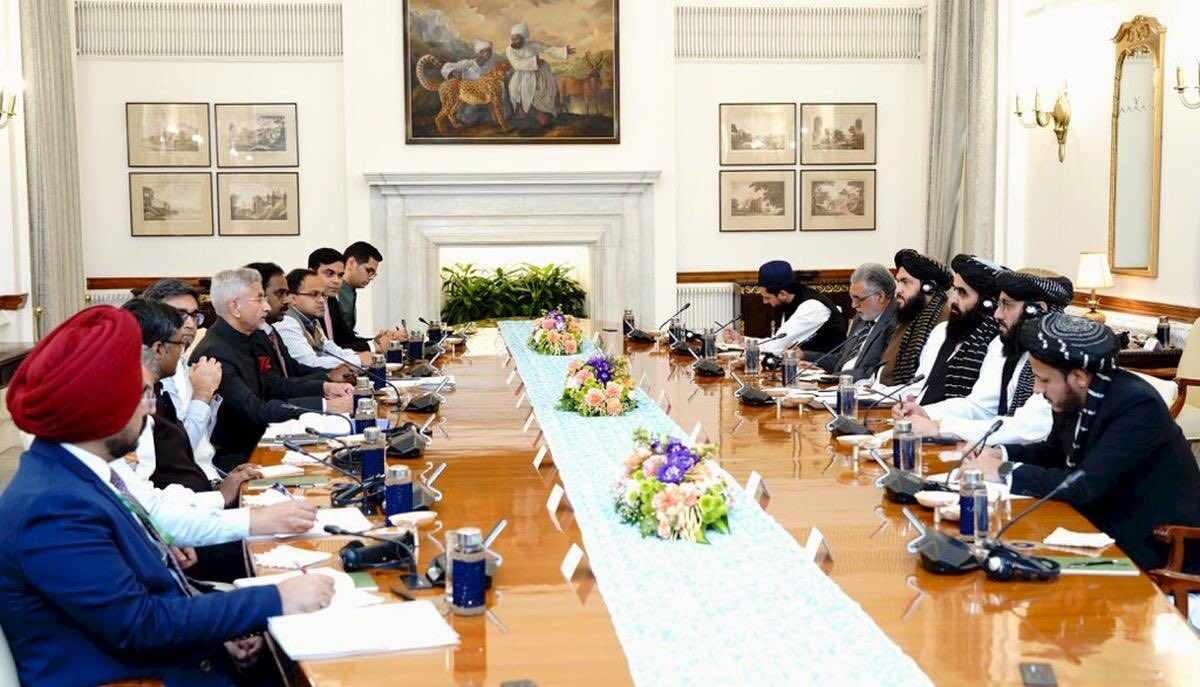
The arrival of Taliban Foreign Minister Amir Khan Muttaqi on October 9 marked not just the first high-level visit from Kabul since the group's 2021 takeover, but a bold signal of New Delhi's pivot toward "multi-track" engagement leveraging cultural and religious hubs like Ayodhya and Darul Uloom Deoband as informal diplomatic outposts.
This isn't mere symbolism; it's a calculated bid to outmaneuver rivals like Pakistan and China, secure its western flank against terrorism, and cement influence in a volatile neighborhood where borders blur into shared histories. As External Affairs Minister S. Jaishankar announced the upgrade of India's Kabul mission to full embassy status during talks with Muttaqi on October 10, the move underscores a pragmatic thaw: India gets security assurances and trade access without formal recognition of the Taliban regime.
Yet, with Bhutanese royalty praying at Ram Mandir and Mauritian envoys eyeing joint ventures, this approach is yielding dividends that could redefine South Asia's power dynamics for years to come.
The catalyst for this week's whirlwind unfolded against the backdrop of strained regional fault lines. Muttaqi, granted a rare UN travel waiver on September 30 to bypass sanctions imposed since 2001, landed in Delhi amid escalating Taliban-Pakistan tensions over cross-border militancy and deportations.
His six-day itinerary, from Hyderabad House meetings to a floral welcome at Deoband was no accident. India, which shuttered its Kabul embassy in 2021 and reduced ties to a "technical team," has been inching toward re-engagement since Foreign Secretary Vikram Misri's January 2025 sit-down with Muttaqi in Dubai.
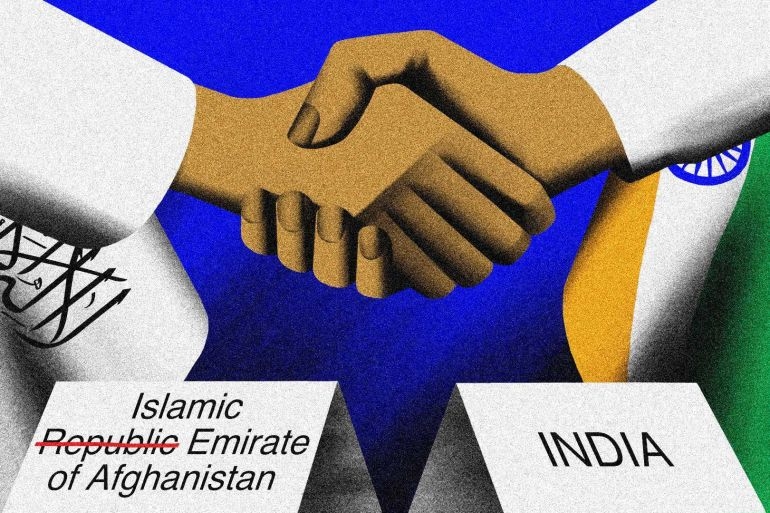
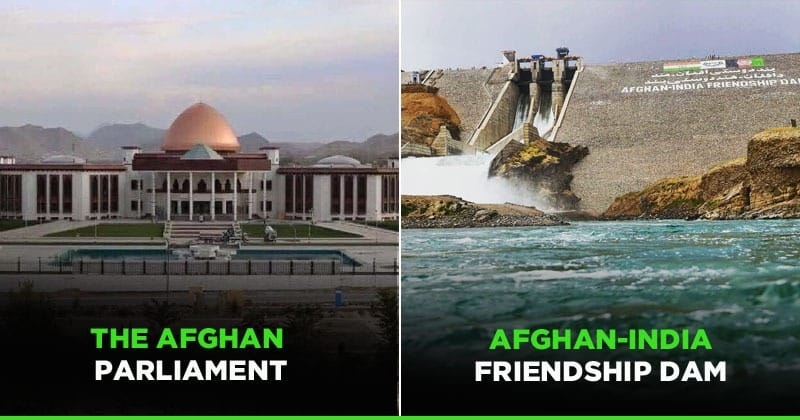
The why is clear, Afghanistan's instability threatens India's $3 billion in pre-2021 investments, from the Salma Dam to the Afghan parliament building, while groups like the Islamic State-Khorasan (IS-K) and Tehrik-e-Taliban Pakistan (TTP) eye Indian targets.
Muttaqi's assurances, reiterated in Delhi, that Kabul won't permit Afghan soil for anti-India terror are music to New Delhi's ears, especially as Pakistan's ISI stands accused of sheltering such networks. But the real genius lies in the where: sidestepping Delhi's stuffy protocol for venues that tap into civilizational veins.
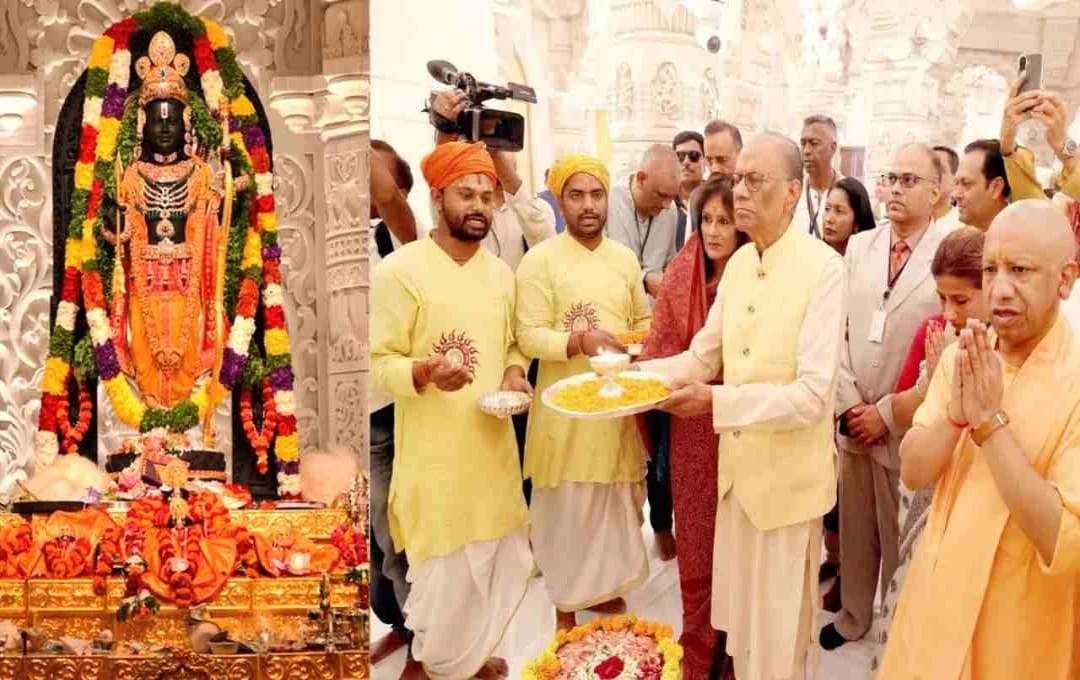
Ayodhya, the beating heart of Hindu revivalism since the Ram Mandir's January 2024 inauguration, has emerged as India's de facto "neighborhood diplomacy" nerve center, a sunlit counterpoint to Beijing's shadow games in the Himalayas.
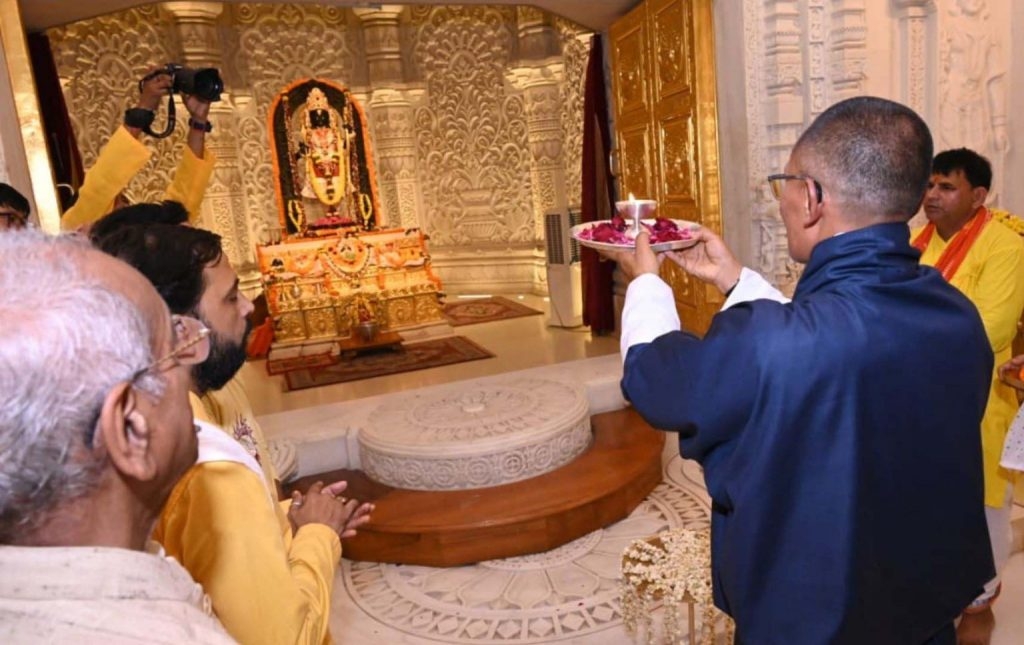
Here, in February 2024, Bhutan's King Jigme Khesar Namgyel Wangchuck joined Prime Minister Narendra Modi for the temple's consecration, a ritual that sealed Thimphu's unwavering loyalty amid China's border encroachments.
Nepal's Prime Minister Pushpa Kamal Dahal followed suit in early 2025, invoking shared Ramayana lore to mend ties frayed by Kathmandu's flirtations with Belt and Road cash. Mauritius, with its 70% Hindu diaspora, dispatched delegations in July 2025 for temple events, coinciding with Uttar Pradesh's allocation of 8 acres near the site for a National Security Guard hub, a not-so-subtle upgrade for hosting such VIPs.
These aren't photo-ops; they're power plays. Bhutan's $10 billion hydropower pacts with India, now greenlit post-Ayodhya, ensure energy security for India's northeast, while Nepal's 2025 border pact revisions favor Delhi over Islamabad.
For Mauritius, it's about countering Chinese inroads in the Indian Ocean, with joint naval drills slated for 2026. Ayodhya's allure, drawing 100 million pilgrims since 2024, amplifies India's soft power, turning a disputed site into a magnet that pulls neighbors away from Pakistan's orbit and China's debt traps.
Contrast this with Delhi, the unyielding core of India's 159-embassy diplomatic machine, where the world's heavyweights, from US Secretary of State Antony Blinken to Chinese Foreign Minister Wang Yi, hash out the hard stuff. It's efficient, protocol-driven, and home to the MEA's war room.
Muttaqi's October 10 huddle with Jaishankar here focused on Chabahar Port access, Iran's Indian-backed gateway that could slash Afghanistan's trade costs by 30% via Indian Ocean routes, bypassing Pakistan's chokehold. Yet, Delhi's formality has limits; it's where sanctions and scrutiny collide. Enter Deoband, the 1866-founded Sunni powerhouse in Uttar Pradesh's Saharanpur district, now "unlocked" as India's theological wildcard for the Islamic world.
On October 11, Muttaqi's convoy rolled into Deoband under a sea of rose petals, greeted by 15 ulema and rector Mufti Abul Qasim Nomani. In the seminary's library, he pored over Hadith texts, earning a "Sanad" certification to teach them, a nod to Deoband's role as the Taliban's ideological cradle.
Founded amid British colonial fires, Deoband inspired Afghanistan's mujahideen against Soviets and, via Pakistan's Haqqania offshoot, the Taliban itself. Muttaqi called it the "mother of knowledge," vowing more Afghan students and brighter ties: "India-Afghanistan relations have a bright future."
Security was ironclad, UP police and NSG on alert, but the optics were electric. Jamiat Ulama-e-Hind chief Maulana Arshad Madani, who hosted him, echoed Deoband's 2008 anti-terror fatwa, signed by 6,000 madrasas, reassuring Delhi of no extremism haven.
This isn't endorsement; it's leverage. By hosting at Deoband, India reclaims narrative control over Deobandi thought, moderate, anti-Wahhabi, from Pakistan's radical fringes, potentially steering Taliban theology toward coexistence.
The geopolitical payoff is already materializing. Pakistan, once Kabul's patron, watches warily as Taliban-India trade talks, eyeing $2 billion in Afghan exports via Chabahar, erode its Durand Line leverage.
Beijing, pumping $25 billion into CPEC, faces a nightmare, a stable Afghanistan integrated into India's orbit, diluting China's mineral monopoly in Badakhshan. For India, the embassy upgrade means consular access for 10,000 stranded Afghans and a foothold to monitor TTP threats spilling into Kashmir.
Pre-2021, India was Afghanistan's top aid donor at $3 billion; now, revived wheat shipments and health corridors could hit $500 million by 2026. Critics decry the optics, excluding women journalists from Muttaqi's presser drew MEA flak, but Jaishankar's line is firm: "Pragmatism over purity."
This triad, Ayodhya for cultural kin, Delhi for deals, Deoband for doctrinal dialogue, embodies Modi's "neighborhood first" remix, amplified by 2025's post-election momentum. Bhutan's Druk Gyalpo award to Modi in March 2025 wasn't just honor; it locked in green energy flows amid China's Bhutanese salami-slicing.
Nepal's Dahal, post-Ayodhya, inked a 2025 rail pact reviving the stalled Jaynagar-Kurtha line, boosting trade by 20%. Mauritius, leveraging diaspora ties, greenlit Indian firms for its $1 billion smart city project in 2025, fortifying Ocean diplomacy against PLAN submarines.
In Afghanistan, Deoband's pull could temper Taliban excesses, Nomani's fatwas already condemn IS-K, fostering a buffer state that starves Pakistan's proxy wars.
Does courting Muttaqi embolden hardliners? Will Ayodhya's Hindu glow alienate Muslim neighbors? Yet, data tells a different tale. India's neighborhood trade surged 15% in 2025, per MEA figures, outpacing China's 8% dip amid BRI blowups. Gallup polls show 68% of Afghans viewing India favorably, up from 52% in 2021, crediting aid over ideology.
In South Asia's tinderbox, where missiles and madrassas mingle, this cultural calculus could be the edge that turns rivals into reluctant partners. New Delhi's bet? Heritage isn't baggage, it's ballast. And as 2025 unfolds, with BRICS summits and UNGA looming, India stands taller, its diplomatic palette richer in saffron and scripture. The world, and its wary neighbors, would do well to watch.