Selective Scrutiny of Hindu Faith: How Retired Judges’ Remarks Have Attacked Sanatan Dharma
From questioning Hindu philosophy to disputing temple verdicts, controversial public statements by former judges have fuelled perceptions of hostility towards Sanatan Dharma.
Total Views |


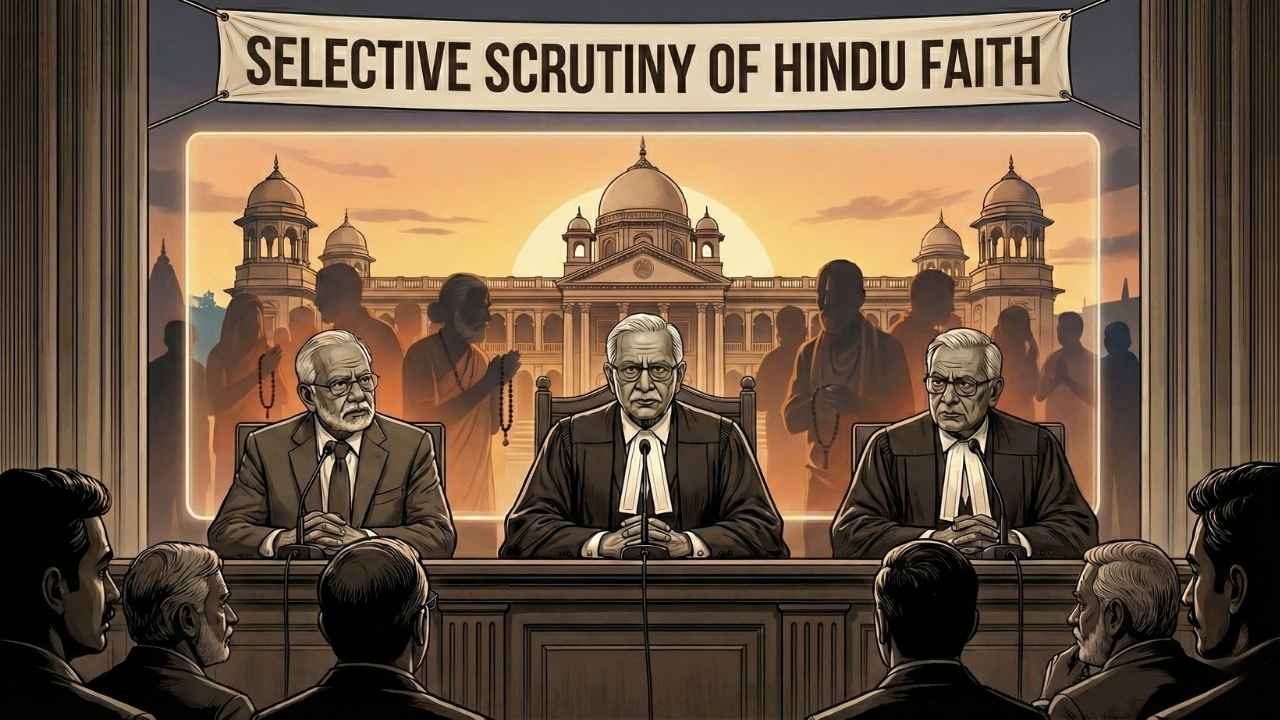
For centuries, Hindus have endured sustained religious persecution marked by forced conversions, documented massacres, genocidal campaigns, and the systematic destruction of temples and ancient centres of learning. From medieval invasions to colonial-era distortions, Hindu civilisation has repeatedly faced attempts at erasure. Disturbingly, this struggle has not remained confined to history. In contemporary India, many Hindus increasingly feel compelled to defend their faith and cultural rights within courtrooms themselves. Repeated public remarks and judicial interpretations by certain judges, perceived as dismissive or hostile to Hindu beliefs, have deepened this concern.
Over the past decade, a series of controversial remarks by retired members of the Indian judiciary has repeatedly ignited public debate and outrage, particularly among Hindu organisations and civil society groups. These statements, delivered at public forums, academic lectures, or activist platforms, have been criticised for allegedly undermining Hindu beliefs, traditions, and historical narratives. Between 2015 and 2025, at least nine such instances drew sustained national attention, raising serious questions about ideological bias, judicial propriety after retirement, and the selective targeting of Hindu faith and culture.
B.G. Kolse Patil and the Denial of Hinduism as a Religion (2025)
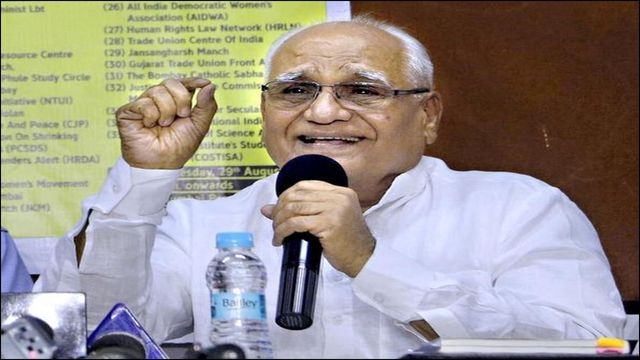
The most recent controversy erupted on December 8, 2025, at a Sufi saints conference in Bidar, Karnataka. Retired Bombay High Court judge B.G. Kolse Patil claimed that “Hinduism” was not a religion but a derogatory Persian term allegedly used by Brahmins to control society. Hindu groups reacted sharply, accusing the former judge of spreading historically inaccurate and inflammatory rhetoric and of continuing a pattern of public statements hostile to Hindu identity.
R.F. Nariman and Rewriting of History Debates (2024 to 2025)
Former Supreme Court judge Rohinton Fali Nariman figured prominently in multiple controversies. In September 2025, he criticised revised NCERT textbooks that described Mughal ruler Akbar as a tyrant, calling such portrayals a “distortion of history”. Nationalist historians and Hindu organisations countered that Mughal chronicles themselves document temple destruction and massacres. They accused Nariman of whitewashing historical violence against Hindus.
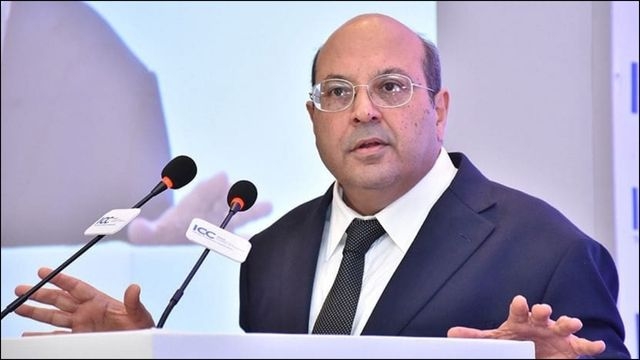
Days earlier, Nariman had also criticised former Chief Justice of India D.Y. Chandrachud for stating that he prayed for guidance before delivering the Ram Janmabhoomi verdict. By suggesting that references to divine guidance violated constitutional oath, Nariman was accused of casting aspersions on the legitimacy of the Ayodhya judgment.
Earlier, in December 2024, Nariman described the Hindu demand for a Ram temple as “dictatorial” and “tyrannical”, terming the 2019 Supreme Court verdict a “travesty of justice”. These remarks were widely condemned as dismissive of Hindu civilisational aspirations and of judicial finality.
S. Muralidhar and Anti-Conversion Laws (2025)
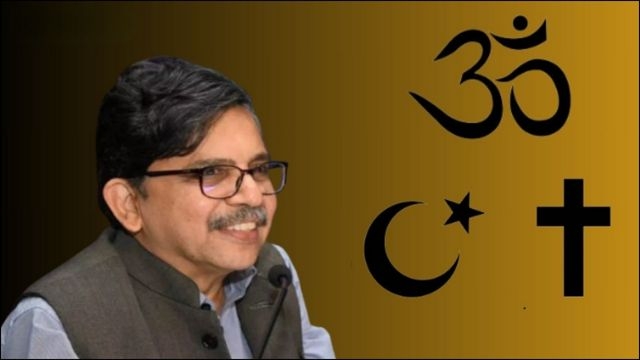
In February 2025, former Orissa High Court Chief Justice S. Muralidhar criticised anti-conversion laws, arguing that they criminalise personal freedom and disproportionately target those leaving Hinduism. While supporters hailed his comments as a defence of individual liberty, critics alleged that his remarks unfairly portrayed Hindu society as coercive while ignoring documented cases of forced and fraudulent religious conversions.
Kurian Joseph and the Judiciary’s Motto (2024)
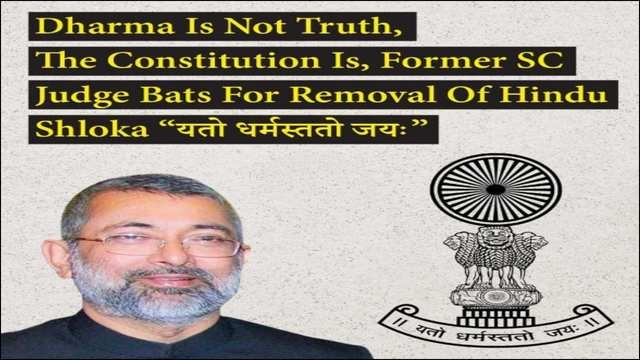
Former Supreme Court judge Kurian Joseph stirred controversy in February 2024 by questioning the judiciary’s motto “यतो धर्मस्ततो जयः”, drawn from the Mahabharata. Claiming that “Dharma in the Hindu fold is not always the truth”, he suggested that the motto was unfit for a secular judiciary. The remarks, delivered at an event hosted by activists and a left-leaning media platform, were widely perceived as an attack on a core Hindu philosophical concept.
K. Chandru and School Symbol Restrictions (2024)
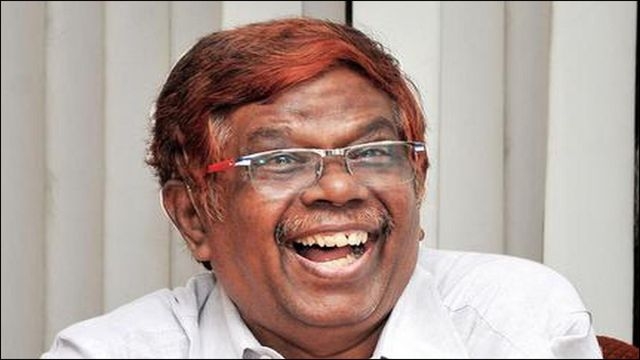
In July 2024, a panel headed by retired Madras High Court judge K. Chandru recommended banning religious symbols such as tilak, kalawa, and rings in schools to prevent caste-based clashes. Hindu organisations, including Hindu Munnani, condemned the report as one-sided and anti-Hindu. They alleged that it disproportionately targeted Hindu practices while ignoring religious symbols associated with other faiths.
Earlier Controversies: Sachar and Katju (2015)
This trend is not new. In November 2015, former Delhi High Court Chief Justice Rajinder Sachar claimed that 95 percent of beef traders were Hindus, a statement critics argued distorted facts and communalised the beef debate. A month earlier, former Supreme Court judge Markandey Katju remarked at Banaras Hindu University that a cow was “just an animal” and “cannot be anyone’s mother”. His comments questioning the beef ban offended Hindu sentiments across the country.
Taken together, these incidents have reinforced a growing perception among many Hindus that their faith and civilisational identity face disproportionate scrutiny and scepticism from influential sections of the retired judiciary. Critics argue that such remarks, made without judicial accountability, risk eroding public trust and deepen the belief that Sanatan Dharma remains uniquely vulnerable to ideological attacks even in independent India.
Article by

Kewali Kabir Jain
Journalism Student, Makhanlal Chaturvedi National University of Journalism and Communication