White-Collar Terrorism: Radicalisation and Professional Networks
The recent Delhi blast exposes how a group of doctors slowly built a terror plan using stored chemicals, quiet meetings, and cautious online moves.
Total Views |


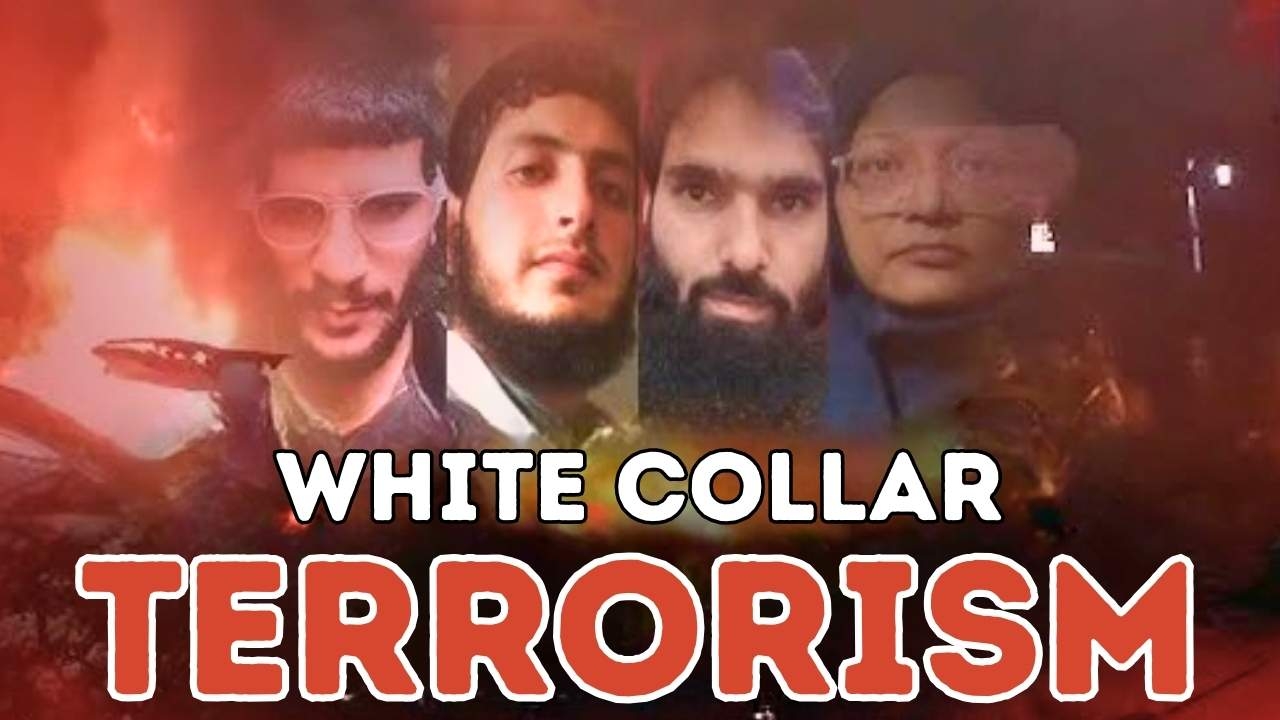
The bomb blast near the Red Fort on 10 November 2025 has alarmed the entire country after a decade of relative calm. The nature of the attack made the police take 12 hours to confirm that it was a terrorist strike. What shocked the nation was the people behind the operation and the scale of their planning. A highly educated group of doctors took part in the conspiracy, which is a deeply troubling development for everyone who hopes for a peaceful life.
As the investigation progressed, disturbing details emerged. Large quantities of ammonium nitrate had been stored, along with weapons and advanced communication methods, revealing the scale and sophistication of the plan. The ammonium nitrate that had been kept in police custody later exploded at a police station in Jammu and Kashmir, killing 9 people. If the group had executed their plan in the way they had originally intended, the disaster would have been far greater and unimaginable.
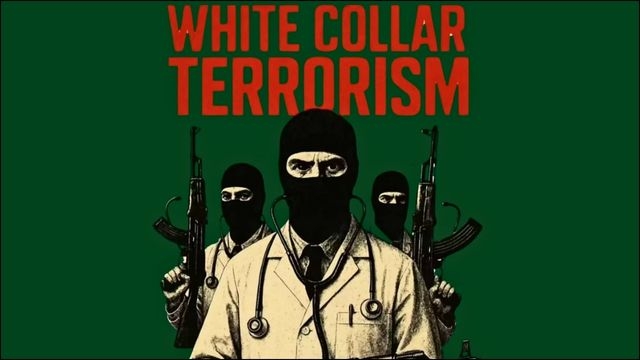
The term white-collar terrorism came into wide use after intelligence agencies confirmed that the incident was a planned terrorist attack. White terrorism is not a new or standard term. Its meaning has shifted over time depending on circumstances and modes of operation. For example, the term White Terror in Taiwan refers to a historical period of severe political repression and authoritarian rule under the Kuomintang government from 1949 to 1987, or 1992 depending on the legal benchmark. It is unrelated to modern white-collar crime or contemporary terrorism in the conventional sense. For a long time, intelligence agencies considered white terror to mean government-sponsored terrorism. For quite a long time, white terror functioned as a synonym for counter-terrorism activities.
Money laundering, tax evasion, other economic offences, and cyber or technology-driven crimes are generally identified as white-collar crimes. These crimes rely on technological sophistication and intellectual planning, and they usually involve no direct violence. Because they are conducted online and without physical aggression, they are difficult to detect at an early stage, although their impact can be enormous.
Farua, also known as Jamaat ul-Fuqra, in the United States are considered the first white-collar terrorist group. They became prominent during the late 1980s. The Fuqra group was founded by Shaikh Mubarak Al Jilani Hasmi in Pakistan in the early 1980s and later expanded operations into the United States. Highly educated Islamic extremist youths, including Americans and African Americans, were drawn to the group. They generated funds through white-collar crimes and used the proceeds to finance terrorist activities. This form of terrorism came to be known as white-collar terrorism.
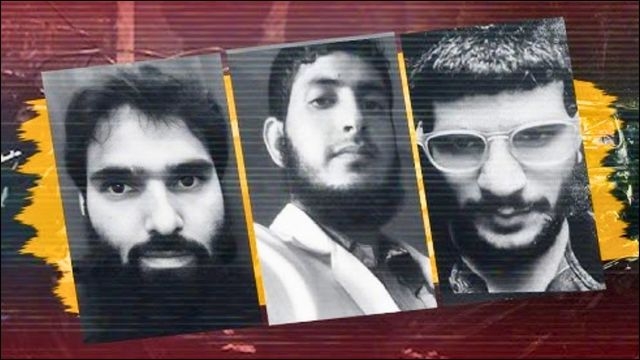
However, the Red Fort attack stands apart from these examples because of the individuals involved, their profession, and their social status. A group of highly educated doctors, who belong to a profession regarded as noble by society, were deeply implicated. This distinction makes the case particularly alarming.
The word terrorism is used very commonly today. Earlier, recruitment into terrorist groups was driven by poverty, adverse social conditions, and the vulnerability of victims of various types of persecution. These individuals were trained by religious preachers and prepared to undertake criminal tasks, including suicide attacks. Intelligence agencies were often able to monitor such operations and foil them.
The Radicalisation and Professional Process of White-Collar Terrorism
In conventional terrorism, highly educated individuals and those with elevated social status usually occupied positions of intellectual leadership and control within terrorist groups. The actual execution of attacks was carried out by criminal-minded operatives at the lower levels. Money played an important role in sustaining and directing this type of terrorism.

Recruitment in white-collar terrorism differs significantly from conventional methods. Members are drawn in through radicalisation and then integrated into white-collar terrorist networks. This radicalisation is a long-term process that often spans many years. It takes place in two primary ways.
1. Religious indoctrination from childhood: Early religious education shapes individuals and prepares them for extremist beliefs. Over time, this influence can turn them into radicals and eventually into terrorists.
2. Peer-group targeting: Potential recruits are identified through interactions with like-minded individuals who hold anti-institutional or anti-system views. Personal relationships are cultivated, and through discussions, gatherings, talks, and dialogues, the targets are gradually radicalised.
Communication and gatherings among professionals in the same field are difficult for intelligence agencies to monitor and can be easily concealed from both the public and colleagues. In recent times, highly educated individuals working in respected professions and holding high status in society have been drawn into extremist ideologies and have formed radical modules that fall under the category of white-collar terrorism.
Members of these modules plan and execute complex schemes assigned to them. They use modern and sophisticated online applications for communication, which enables them to hide their activities from the public and from security agencies. Their wide professional networks are carefully and patiently used to recruit new members into extremist groups through a slow and deliberate process. The complete shift from offline to online communication marks another major distinction of white-collar terrorism. The process of fully integrating a recruit into the core group and preparing them for assignments is extremely lengthy and can take several years.
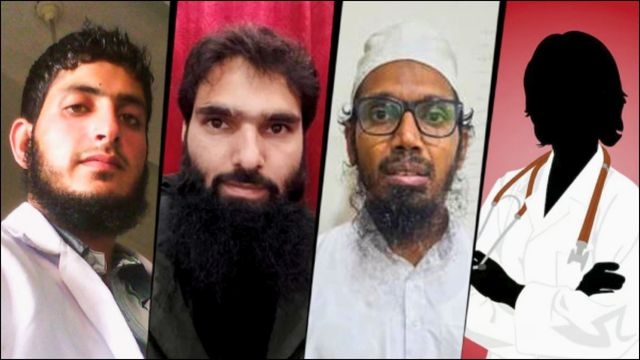
The terrorist attack and explosion on 10 November 2025 reflect this model. A medical college professor, a super-speciality medical student, several medical students, and practising doctors were arrested by the police in connection with the incident. In addition, a religious preacher, Maulavi Irfan, who had previously worked in the paramedical field at a medical college before leaving his job to become a religious extremist scholar, was also taken into custody. His involvement in radicalising the group formed a part of a long-term strategy.
Large quantities of ammonium nitrate were seized from various locations where the group had concealed their stockpiles. The choice of storage sites added another concerning dimension, as the explosives were hidden in and around the campus of Al-Falah University in Faridabad, Haryana. A few kilograms of the chemical detonated at the Red Fort, killing thirteen people, which demonstrates the scale of their planning against the country.
Agencies, civil society, and organisations must remain vigilant and work together to counter such highly dangerous terrorist activities that threaten the nation and humanity. Religious institutions should be subject to proper government oversight. Their syllabi must be scrutinised by authorities, and the qualifications of teachers in these institutes should be closely monitored.
Article by
Dr. Shine P Sasidhar
The author is an advocate in the Supreme Court of India, a techno-legal expert, and an activist.