Dhurandhar: A Riveting Spy Thriller That Strips Bare Pakistan’s Role in India’s Painful Past
Dive into riveting review of Dhurandhar, the 2025 Bollywood spy thriller that redefines patriotism with its bold take on the 26/11 attacks and Pakistan’s role. Starring Ranveer Singh and Akshaye Khanna, this Aditya Dhar masterpiece blends action, emotion, and geopolitics.



In an era where Bollywood often tiptoes around geopolitical tensions, Dhurandhar, the latest offering from director Aditya Dhar, storms onto the scene like a thunderclap, delivering a raw, unapologetic spy thriller that has ignited both fervor and fury across the nation.
Released just two days ago on December 5, the film has already raked in an astonishing ₹61.7 crore net at the box office, cementing its place as the second-highest opener of 2025.
But beyond the numbers lies a cinematic juggernaut that dares to confront the ghosts of India’s recent history, most notably the 26/11 Mumbai attacks, while casting a piercing gaze at Pakistan’s alleged complicity. This is not just a movie; it’s a cultural reckoning.
From the opening frame, Dhurandhar grabs you by the collar and refuses to let go. The film kicks off with a visceral recreation of the 2008 Mumbai attacks, a sequence so chillingly authentic that it feels less like fiction and more like a documentary unearthed from the archives of history.

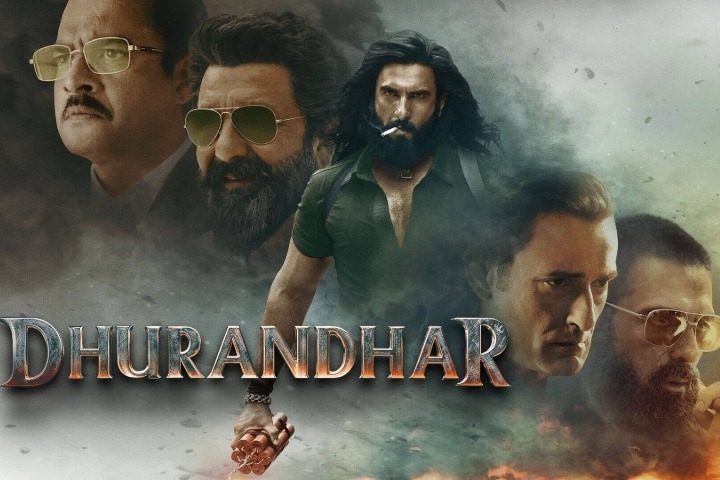
Drawing inspiration from real-life intelligence operations, the narrative follows Hamza (Ranveer Singh), a covert operative who infiltrates Pakistan’s terror networks under the guise of a local.
His journey, brought to life with a restrained yet electrifying performance, is the heartbeat of the film. But it’s Akshaye Khanna, as the menacing Rehman Dakait, who steals the show, delivering a portrayal so layered it’s hard to look away. The chemistry between the two, underscored by a haunting background score, transforms Dhurandhar into a masterclass in suspense and character-driven storytelling.
Aditya Dhar, riding high on the success of Uri: The Surgical Strike, has outdone himself here. The film’s technical prowess is undeniable cinematography that captures the gritty underbelly of terror hubs, VFX seamlessly blended with practical effects, and action sequences that feel grounded yet pulse-pounding.
The use of real footage and audio from the 26/11 attacks, meticulously sourced and verified, adds a layer of authenticity that sends shivers down the spine.
One particular moment, where intercepted phone calls between gunmen and their handlers in Pakistan play out, feels like a gut punch, a reminder of the lives lost and the intelligence failures that allowed the tragedy to unfold. This isn’t mere sensationalism; it’s a deliberate choice to honor the memory of the 166 victims, including the brave security personnel who laid down their lives.
At its core, Dhurandhar is a patriot’s cry, a narrative that channels the collective frustration of a nation battered by cross-border terrorism. The film doesn’t shy away from naming Pakistan as the architect of repeated massacres, a stance that has sparked heated debates on social media platforms. Posts from users have hailed it as a “masterpiece,” praising its detailed depiction of the 26/11 attacks.

Yet, the film takes care not to paint Indian Muslims with the same brush, a point worth emphasizing amid the noise of online outrage. Instead, it focuses on the bravery of Balochistan’s people and the predatory behavior of Pakistani men, weaving a geopolitical tapestry that’s as provocative as it is compelling.
The plot thickens with Operation Dhurandhar, a fictional yet plausibly rooted intelligence mission born out of the 2001 Parliament attack’s aftermath. Hamza’s infiltration into the terror network is a slow burn, punctuated by Shakespearean betrayals and moments of raw espionage tradecraft that rival the best of Hollywood’s spy genre.
The film’s three-and-a-half-hour runtime, while a tad indulgent, never feels like a drag, each scene builds toward a crescendo that leaves you breathless. This is a film that wears its heart on its sleeve, and its ambition is its greatest strength.
The 2009 HBO documentary Terror in Mumbai and Ram Gopal Varma’s 2013 film The Attacks of 26/11 laid the groundwork for cinematic explorations of the event, but Dhar takes it a step further by embedding it within a broader espionage framework. Historical records, including the testimony of the sole surviving gunman Ajmal Kasab, corroborate the film’s depiction of Pakistani handlers directing the operation, a fact that lends credence to its central thesis.

The inclusion of Balochistan’s resistance, a topic often sidelined in mainstream discourse, adds a fresh dimension, hinting at a geopolitical chess game that extends beyond the subcontinent’s borders.
The closing credits tease a sequel, and if Dhurandhar Part 2 lives up to its predecessor, we’re in for another rollercoaster. For now, this is a cinematic triumph that doesn’t just entertain, it forces us to confront uncomfortable truths.