Cheap, Sharp and Lethal: Why Chinese Manjha Must Be Banned from Indian Skies
Cheap synthetic kite strings imported from China are responsible for rising fatalities, severe injuries and environmental harm during festivals meant to celebrate life and renewal.
Total Views |


Makar Sankranti, the festival of harvest and seasonal transition, is among the most cherished celebrations across Bharat. Traditionally, the day begins with flying kites, sharing sweets, offering gratitude to nature and God, and enjoying moments of collective joy with family and friends. However, in recent years, this vibrant festival has increasingly been overshadowed by a dangerous element that has turned a joyful tradition into a serious public safety concern: Chinese manjha.
When Celebration Turns Fatal
Makar Sankranti, also known as Uttarayan in several regions, has long symbolised joy, renewal and togetherness, with kite flying at its heart. Yet this very activity has become a cause of severe injuries and fatalities across multiple Indian states due to the widespread use of Chinese manjha. Numerous people have lost their lives or suffered critical injuries after being accidentally entangled in these razor-sharp kite strings.
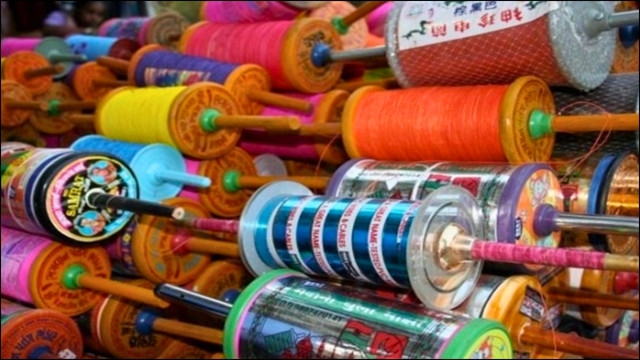
Chinese manjha is an abrasive string used for flying fighter kites, originally popular in parts of South Asia and now widely present in Bharat. It is produced by coating cotton or synthetic threads with powdered glass, metal, or similar abrasive substances. The term “Chinese” is commonly associated with this manjha because it is often manufactured using synthetic materials such as polypropylene imported from China, or because it is significantly cheaper than traditional desi cotton manjha.
Why Chinese Manjha Must Be Avoided
The glass and metal coating makes Chinese manjha extremely sharp and dangerous. When it comes into contact with human skin, particularly during high-speed movement such as riding a motorcycle or scooter, it can cause deep and life-threatening injuries to the throat, neck, face and hands. Numerous deaths have been reported, especially in Bharat and other South Asian countries, where two-wheeler riders were fatally injured after the string suddenly snapped across their path.
Several variants of Chinese manjha also contain metallic or nylon components capable of conducting electricity. When these strings come into contact with overhead power lines, they can cause short circuits, power outages and even electrocution, endangering both the kite flyer and the general public. In many instances, these strings have become entangled in flyovers, traffic signals and public transport infrastructure, leading to accidents, injuries and avoidable loss of life.
Incidents Reported Across Bharat
Incidents involving Chinese manjha have been reported from multiple states, including Uttar Pradesh, Madhya Pradesh, Telangana, Karnataka, Gujarat and Chhattisgarh. During Makar Sankranti celebrations, the use of these hazardous strings has left several people dead and many others critically injured.
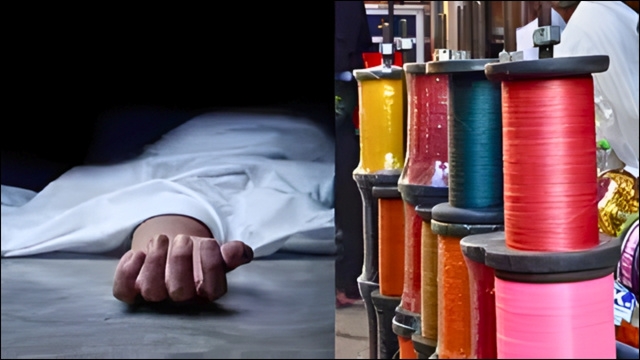
In January 2025, around 90 First Information Reports (FIRs) were registered in Punjab, and more than 80,000 bundles of Chinese manjha were seized. In Delhi, a total of 255 cases have been reported since 2017, according to a statement submitted to the High Court in August 2022. More recent enforcement drives in 2025 resulted in multiple seizures and arrests ahead of Independence Day and Makar Sankranti, highlighting the scale of the problem.
Legal and Administrative Response
In response to repeated tragedies, authorities have begun taking stricter legal and administrative action. In Indore, the District Collector issued an order stating that if a person dies or suffers serious injury due to Chinese manjha, those responsible will face action under Section 106(1) of the Bharatiya Nyaya Sahita (BNS) 2023. This provision deals with causing death by negligence and carries a punishment of up to five years’ imprisonment along with a fine.
As part of these measures, Indore Police have arrested 25 individuals and registered 16 criminal cases related to the sale and use of Chinese manjha. Similar enforcement efforts have been undertaken in several other cities, particularly during the festive season.
Environmental and Wildlife Impact
Beyond human casualties, Chinese manjha has caused significant harm to wildlife, especially birds. Birds frequently become entangled in the nearly invisible yet highly durable strings while flying or perching. The sharp threads cut into their wings and legs, resulting in severe injuries, restricted movement, starvation, or slow and painful deaths.

In New Delhi, volunteer bird medics reportedly treat around 1,000 injured black kites each year, with nearly 90 per cent of these injuries caused by manjha. Alarmingly, almost half of these birds do not survive. During the Uttarayan festival, veterinarians and rescue teams are repeatedly called upon to attend to birds injured by kite strings.
Unlike traditional cotton manjha, Chinese manjha is usually made from synthetic, non-biodegradable materials. These strings remain in the environment long after festivals end, continuing to pose risks to animals and contributing to long-term ecological damage.
Why Avoiding Chinese Products Matters
Chinese manjha is not an isolated problem but part of a broader issue linked to the unchecked use of cheap Chinese products. China’s mass manufacturing model prioritises low cost and high volume, often at the expense of safety standards, environmental responsibility and social impact. Products like Chinese manjha continue to enter Indian markets despite being banned, largely because they are inexpensive and easily available.
Such products often fail to align with Bharat’s cultural practices, safety norms and environmental requirements. At the same time, their widespread use undermines local artisans and traditional industries that produce safer, biodegradable alternatives such as cotton manjha. By choosing Chinese products, consumers unintentionally weaken domestic livelihoods and increase dependence on imports that offer little accountability.
There is also a larger strategic concern. China’s aggressive trade practices, combined with ongoing geopolitical tensions, raise important questions about economic dependence. Avoiding unsafe Chinese products is therefore not merely a matter of consumer preference but one of public safety, economic self-reliance and ethical responsibility.
Conclusion
Chinese manjha has transformed a joyful festival into a recurring tragedy. What appears to be a cheap and stronger alternative has resulted in the loss of human lives, serious injuries, harm to wildlife and long-term environmental damage. Festivals are meant to celebrate life, not endanger it.
Saying no to Chinese manjha, and to unsafe Chinese products more broadly, is a conscious step towards protecting lives, preserving traditions and supporting sustainable local alternatives. By choosing safe, biodegradable kite strings and spreading awareness, society can help restore the true spirit of Makar Sankranti, a festival rooted in gratitude, balance and respect for life.
Article by

Mokshi Jain
Sub-editor, The Narrative