Why Take Bharat’s FCRA Debate Abroad? Congress MP Saleng Sangma’s Outreach Raises Sovereignty Questions
Tura MP admits urging diplomats from the US, UK, Australia and other nations to pressure New Delhi over the FCRA amendment, while defending recent violence in Shillong as a symptom of governance failure
Total Views |


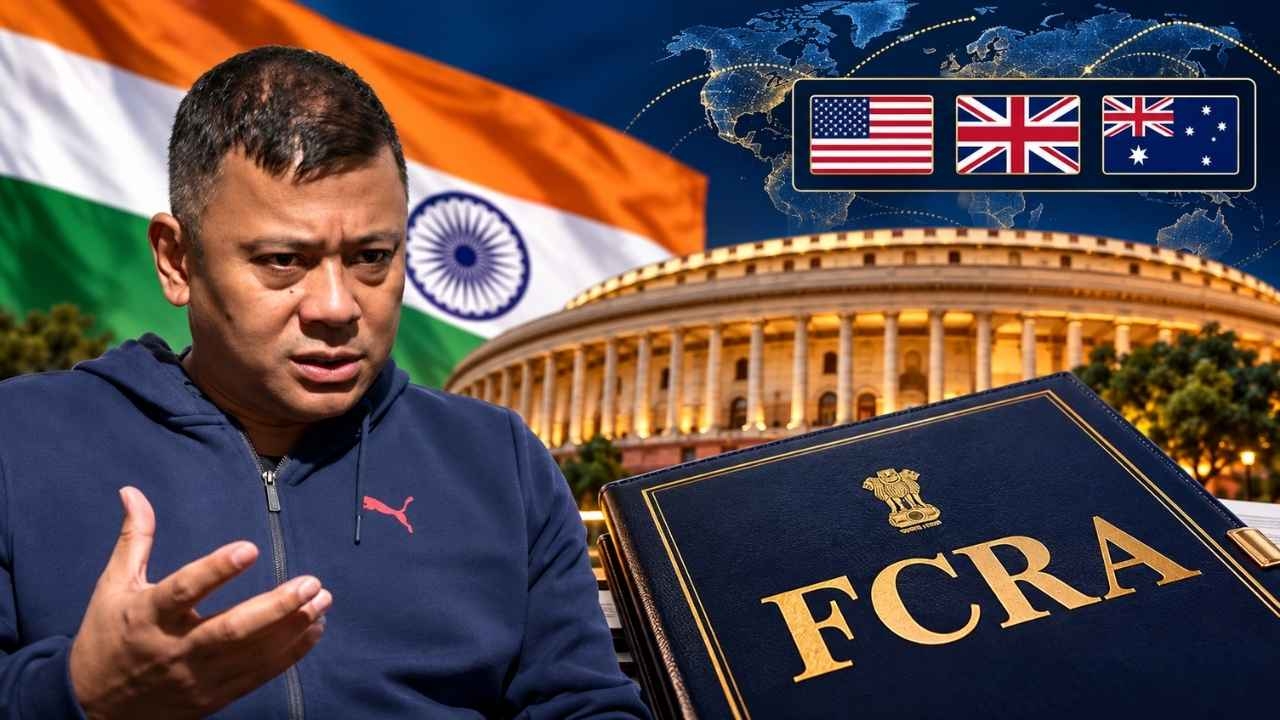
Congress Member of Parliament from Tura, Meghalaya, Saleng A. Sangma, has drawn political scrutiny after acknowledging that he approached diplomats from several countries to press the Indian government on the proposed Foreign Contribution (Regulation) Amendment Bill, 2026.
Sangma confirmed that he contacted representatives of the United States, the United Kingdom, Australia, South Korea, Mexico, and African nations, asking them to urge the Modi administration to withdraw the legislation. He described the bill as “draconian” and expressed doubt that the government would heed representations from the opposition, a church delegation from Meghalaya, or other Northeast leaders.
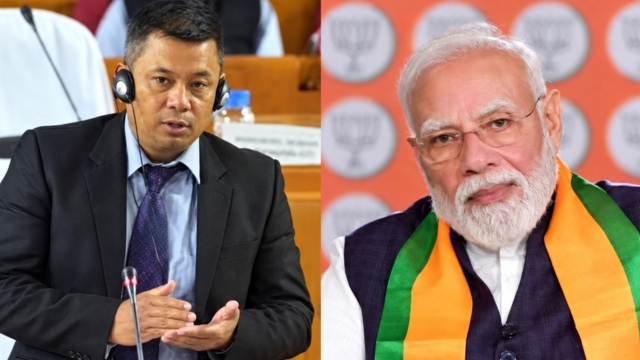
The proposed amendments do not prohibit foreign funding. Officials from the Union Ministry of Home Affairs have characterised the measure as a national-security step intended to tighten oversight of how foreign contributions are received and spent, with the stated aim of preventing funds from being used to destabilise the country.
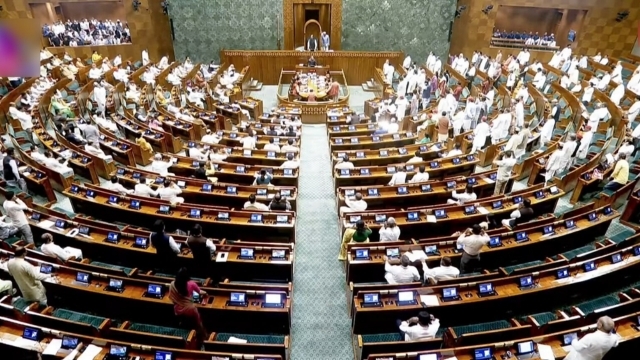
After debate in Parliament, the bill was referred to a 31-member Joint Parliamentary Committee that includes opposition members, a step which was taken at the opposition’s request.
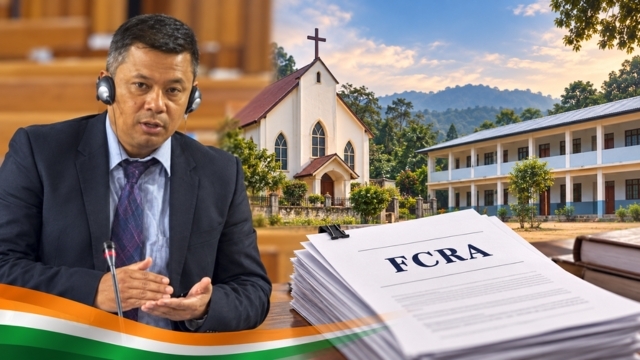
Sangma has linked the bill to concerns that it could affect Christian-run institutions such as churches and schools. He has previously accused the BJP-led government of rising hostility toward minorities, particularly Christians, and of responsibility for damage to churches in Manipur. He has also claimed that the government’s policies undermine India’s diversity. Notably, the original Foreign Contribution (Regulation) Act framework was enacted under a Congress-led government.
Sangma’s positions have received backing from Christian organizations in Meghalaya, including the Khasi Jaintia Christian Leaders Forum (KJCLF). The forum has taken an active interest in state politics and missionary work. In 2024 it publicly felicitated Sangma following his election to Parliament. More recently, the KJCLF criticised eight MLAs who left the United Democratic Front to join the BJP, describing the move as a “tragic betrayal” driven by personal ambition and accusing the BJP of advancing majoritarianism.
Separately, Sangma has commented on recent violence in Shillong - “something wrong in the system” he stated. In August 2026 a black-flag bike rally organised by the Khasi Students Union turned disorderly; several people were injured and vehicles, especially those belonging to non-locals were damaged. Masked participants were seen attacking government and private vehicles. The following month, petrol bombs were thrown at Laban Police Station.
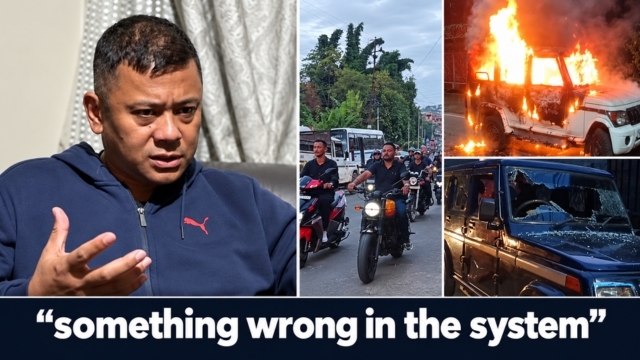
Rather than condemning the incidents outright, Sangma attributed the unrest to failures of governance, stating that public anger signals systemic problems and questioning why the government was not addressing underlying grievances. He suggested that both authorities and citizens needed to examine the root causes.
Sangma’s appeal for external pressure on an Bharat’s internal legislative matter, his association with organizations engaged in missionary activity, and his framing of violent protests as symptoms of governmental shortcoming have raised questions about respect for domestic democratic processes and national sovereignty.
The FCRA Amendment Bill remains under examination by the Joint Parliamentary Committee.
Written by
Kewali Kabir Jain
Journalism Student, Makhanlal Chaturvedi National University of Journalism and Communication