Far-Left Anarchist Neha Bora Champions Bangladesh-Style Chaos for India: A Dangerous Blueprint That Would Shatter the Nation
AISA chief glorifies Bangladesh’s anti-Hindu bloodbath as “revolution,” exposing the left’s readiness to import street chaos and institutional collapse after failing to defeat Modi at the ballot box.
Total Views |


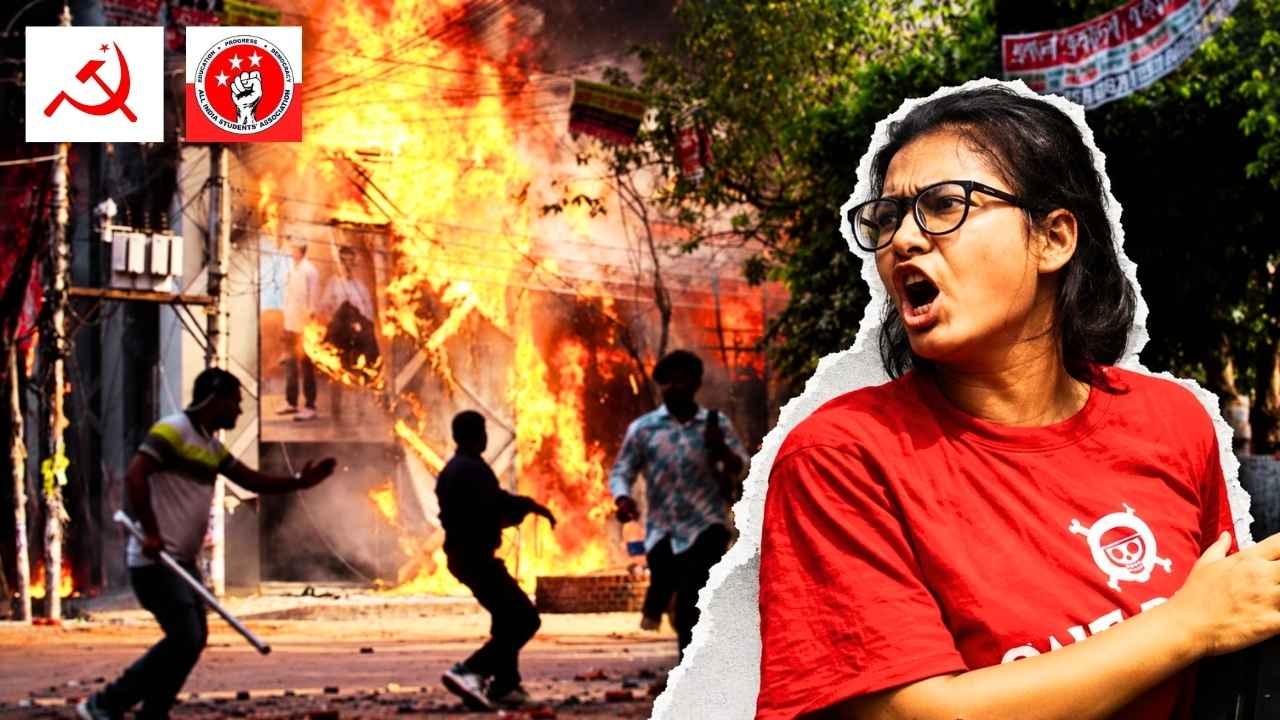
Following Nahid Islam’s endorsement of India’s CJP protests, AISA president Neha Bora praised Bangladesh’s 2024 uprising as inspiration, raising questions about promoting political change through street mobilisation despite the violence and instability accompanying Sheikh Hasina’s fall.
Neha Bora, national president of the All India Students Association (AISA) the student arm of the Communist Party of India (Marxist-Leninist) Liberation has dropped the mask. She openly celebrates the 2024 Bangladesh upheaval that toppled a democratically elected government as a model for India’s current street agitations. In her view, the so-called “Gen-Z movement” that forced Sheikh Hasina from power is pure inspiration, a template she hopes to import wholesale onto Indian streets.
_202610171232275310_H@@IGHT_360_W@@IDTH_640.jpg "Neha Bora (1)")
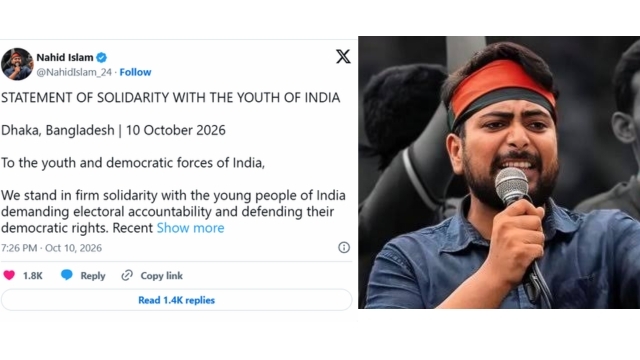
Bora’s remarks came after Nahid Islam – Member of the Bangladesh Parliament, a vocal anti-India and Hindu-phobic figure tied to the Bangladesh unrest, publicly backed the Cockroach Janta Party (CJP) protests and even praised the months-long Shaheen Bagh blockade that clogged Delhi while spreading falsehoods about the Citizenship Amendment Act and National Register of Citizens. Islam helped drive the Bangladesh turmoil that quickly mutated into systematic persecution of Hindus. Bora, undeterred, calls that bloodshed a “revolution” and yearns for the same in India.
She has even been photographed in a red T-shirt bearing the Jolly Roger of the Straw Hat Pirates from the ‘One Piece’ manga — an emblem that has become a rallying symbol for violent uprisings from Nepal to Indonesia and the Philippines. The imagery is no accident; it signals affinity for extralegal disruption.

What “Revolution” Actually Delivered in Bangladesh
The protests that began as a student revolt against job quotas rapidly became a free-for-all for Islamist radicals. On the day Hasina fled, the Bangladesh Hindu Buddhist Christian Unity Council documented dozens of attacks on hindu temples, homes, and businesses. The toll quickly climbed past 200 verified incidents, with countless more unreported. External Affairs Minister S. Jaishankar had to raise the issue in Parliament because the threat to Hindus was unmistakable.
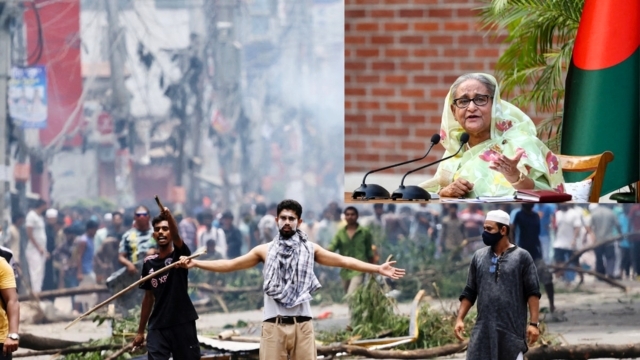
What followed was sustained terror: arson, temple desecration, idol destruction, targeted assaults on women, lynching, and mob celebrations over victims’ bodies. Jamaat-e-Islami prepared hit lists and blocked escape routes. Muhammad Yunus’s interim regime responded by blaming Indian media for “propaganda,” denying the scale of the violence, or dismissing it as isolated political scores. Anti-India rhetoric escalated, including threats toward India’s Northeast. Hindus cancelled festivals out of fear; Durga Puja faced demands for jizya. Those who spoke out, including Hindu monks, faced both Islamist mobs and official indifference.
Leftist circles in India and their Islamist allies minimized or sanitized the carnage, reducing the choice for Bangladeshi Hindus to conversion or death. The “revolution” delivered soaring inflation, lawlessness, surveillance, and the rehabilitation of banned Islamist outfits. Governance did not improve; it deteriorated.
_202610171234539377_H@@IGHT_360_W@@IDTH_640.jpg "5 IMAGE (7)")
The Nightmare Bora Wants for India
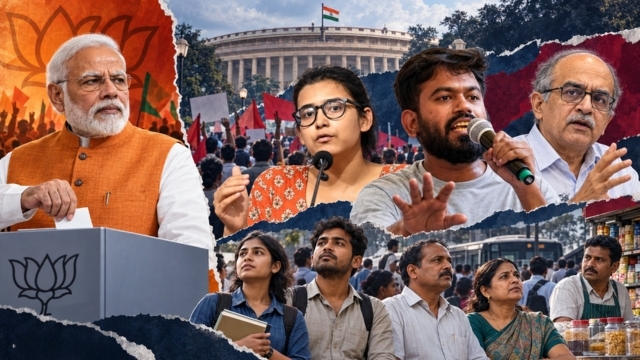
This is the model Bora and sections of the opposition romanticize for India. A nation of over a billion cannot absorb even a fraction of Bangladesh’s breakdown without cascading riots, institutional collapse, and openings for external adversaries. The ballot box would be replaced by street violence. Constitutional bodies would be hollowed out whenever they obstruct the left’s political ambitions. Symbols of national sovereignty and civilizational heritage would be fair game, as they were in Bangladesh.
Opposition parties that lecture endlessly about the Constitution and independent institutions show zero hesitation about risking permanent disorder when electoral defeat becomes chronic. Regime-change fantasies of the sort indulged by Bora or by figures like George Soros abroad treat India as a laboratory for political experiments rather than a living democracy whose stability protects its people.
_202610171235156409_H@@IGHT_360_W@@IDTH_640.jpg "6 IMAGE (2)")
Selective Outrage and Rank Hypocrisy
The Bangladesh protests erupted because students rejected a quota system that reserved large shares of government jobs for descendants of 1971 war veterans, arguing it crushed merit. Bora cheers that uprising while remaining one of the loudest defenders of expansive reservations in India and a fierce opponent of any push for pure merit-based opportunities. She ignores the actual grievance that fueled the Bangladesh movement and cherry-picks only the parts that serve her agenda of street power over electoral legitimacy.
This is the consistent pattern: the left fails repeatedly at the ballot box against the BJP and Narendra Modi, then pivots to extra-constitutional disruption. The welfare of ordinary citizens, democratic continuity, and national cohesion become secondary to the single goal of seizing power by any means.
No Room for Experiments on a Billion Lives
Bharat is not a political trophy. Its citizens are not expendable props in anyone’s revolutionary theater. The consequences of importing Bangladesh-style upheaval riots, minority terror, economic freefall, and institutional wreckage would be irreversible and catastrophic on India’s scale.
Those who cannot defeat a government through votes have no right to gamble with the nation’s present and future.
Written by
Kewali Kabir Jain
Journalism Student, Makhanlal Chaturvedi National University of Journalism and Communication