Yemen: A Country Sandwiched Between the Two Giants in Middle East
Saudi-Iranian competition has intensified Yemen’s internal conflict, undermining its sovereignty and worsening the humanitarian crisis.
Total Views |


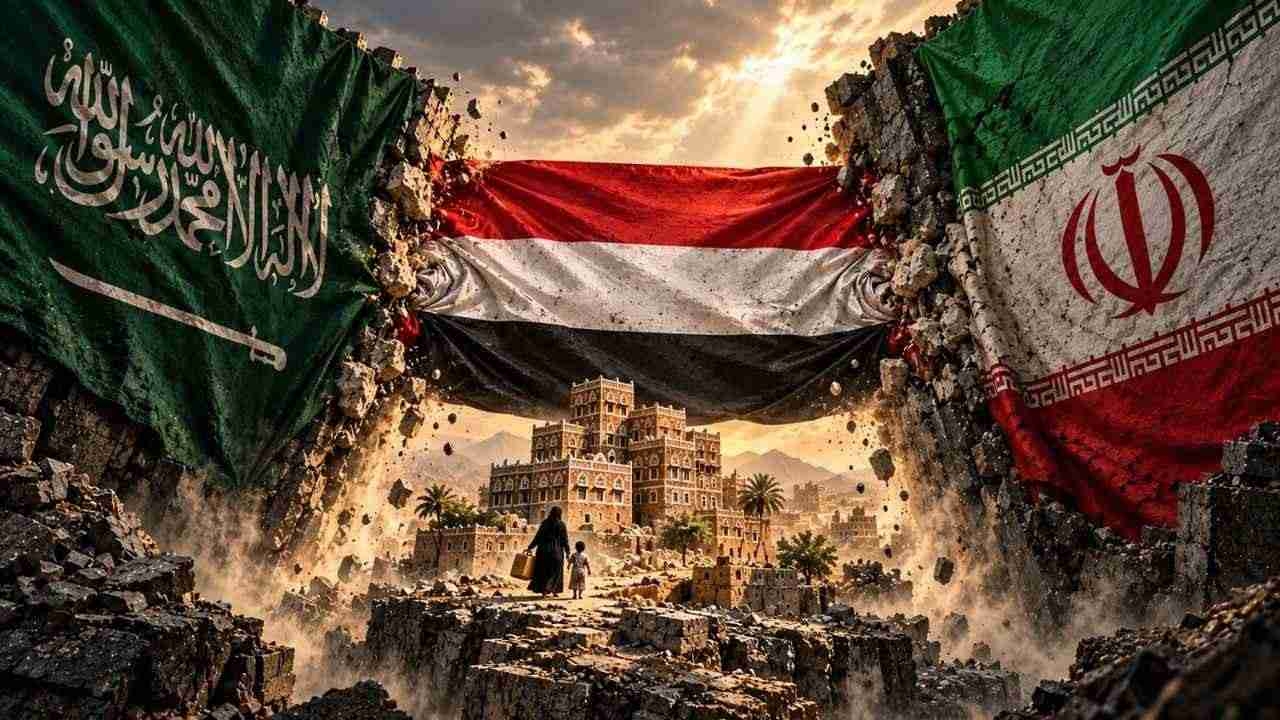
Yemen’s devastating conflict reflects the collapse of its political transition, internal power struggles and Saudi–Iranian rivalry. Foreign intervention and support for competing armed factions have deepened fragmentation, leaving civilians facing displacement, hunger and widespread abuses.
We have often heard about the Cold War (1947-1991) between the US and its arch rival Soviet Union. During the Cold War, the world was divided into two camps: the Communist bloc (Soviet Union) and the capitalist bloc (USA). There is another Cold War in the Middle East. This Cold War is between Iran and Saudi Arabia and their allied nations. This Middle Eastern Cold War began in February 1979, in Iran, when Shia Islamic Cleric Ayatollah Khomeini took power. Saudi Arabia, the head of Wahhabi Islam and guardian of the two holiest Islamic sites, Mecca and Medina, raised funds from petrodollars to support the doctrine of Wahhabism along with terrorist Wahhabi groups against Shia Iran.
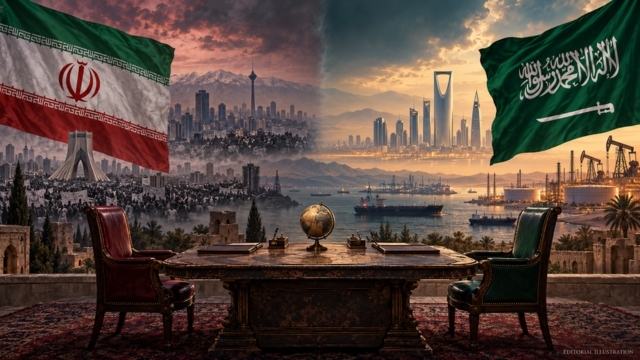
Iran and Saudi Arabia have long competed for regional influence, backing different political and, in some conflicts, armed actors. Their rivalry has compounded instability in Lebanon, Syria, Iraq and Yemen, alongside local grievances and intervention by other powers.
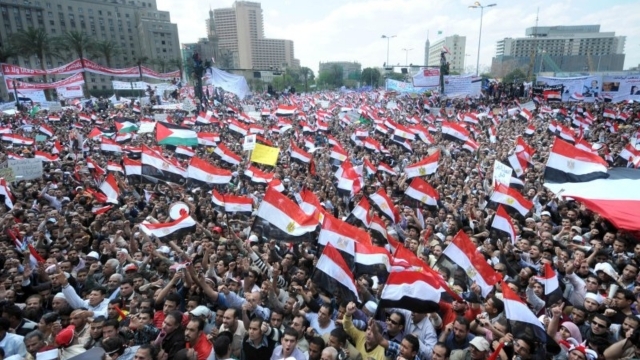
The current phase of the conflict began in 2011 when the Arab Spring (Islamic Awakening) sparked a revolutionary wave across the Middle East and North Africa, which finally led to the revolutions in Syria, Yemen, Egypt, and Tunisia. The Arab Spring destabilized three major regional actors: Syria, Iraq, and Yemen.
Saudi Arabia supported selected Syrian opposition factions, while Iran backed Assad’s government and allied militias and supported armed groups in Iraq. These interventions intensified conflicts with distinct domestic origins. Syria’s opposition included military defectors, nationalist rebels, Islamists and jihadists; the Free Syrian Army cannot accurately be described as a single Wahhabi militia. The wars inflicted devastating losses on combatants and civilians.
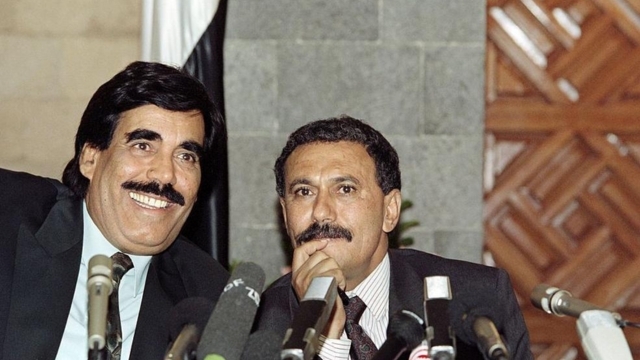
In 2011, Arab Spring protests challenged Yemen’s longtime president, Ali Abdullah Saleh (right), who came from a Zaydi background. Yemen’s northern highlands have historically had a strong Zaydi Shia presence, while southern and coastal regions are predominantly Shafi‘i Sunni. North Yemen and Marxist-ruled South Yemen united through a negotiated agreement on 22 May 1990, with Saleh becoming president and Ali Salim al-Beidh (left) vice-president. Unification preceded – not followed – the defeat of southern separatist forces in the 1994 civil war.
Yemen’s 1994 civil war emerged from disputes over power-sharing after unification and a southern attempt to secede, rather than a straightforward Sunni–Shia confrontation. Saudi Arabia and several other Gulf states supported the southern separatists against President Ali Abdullah Saleh. Saleh’s forces defeated them and consolidated his control. In 2011, protests against his rule drew participants from different religious, regional and political backgrounds.
Iran expanded its influence in Yemen through support for the Houthis, whose alliance with forces loyal to former president Ali Abdullah Saleh helped them capture Sana’a in September 2014. The collapse of the post-2011 transition and subsequent regional intervention escalated the conflict into a devastating war. Yemen’s proximity to Bab-el-Mandeb gives it considerable strategic importance along shipping routes linking the Indian Ocean, Red Sea and Suez Canal. However, claims of a specific Iranian plan to control Aden or establish a naval base there require separate evidence.
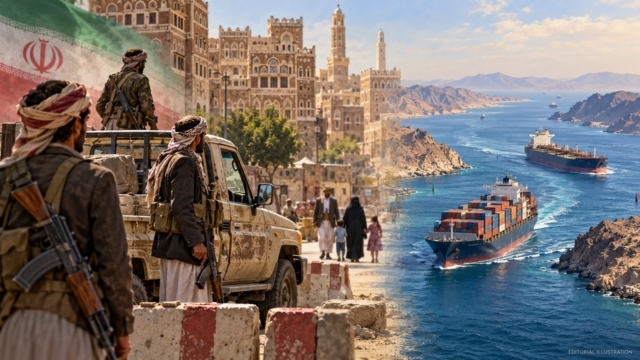
Sana’a lies in Yemen’s historically Zaydi northern highlands, while Aden is predominantly Sunni. The Iran-backed Houthis captured Sana’a in 2014 and advanced towards Aden in 2015, displacing President Hadi’s government. Saudi Arabia intervened militarily in March 2015, citing threats to Yemen’s government and its own security. Houthi forces subsequently conducted cross-border attacks, including missile strikes against Saudi targets. Hadi transferred presidential powers to a Presidential Leadership Council in April 2022.
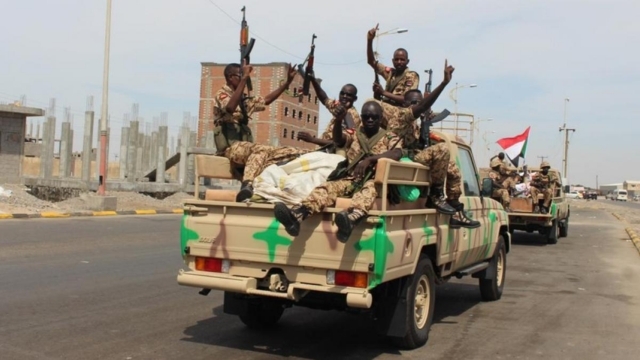
Yemen’s war drew in a Saudi-led military coalition, including troops from Sudan, alongside diverse Yemeni armed factions. Jihadist organizations such as AQAP also operated in the country, pursuing their own agendas.
Yemen is a poor nation of 30 million people. After the civil war broke out in 2014, Yemenis are facing the worst kind of human rights violations and scarcity of basic food items and essential goods. In this civil war, nearly three hundred thousand people have been killed in Yemen due to famines and massacres. Several million Yemenis are forced to live in refugee camps in their war-torn country. Meanwhile, Saudi Arabia, along with its other Wahhabi Gulf allies, is busy bombing cities, towns, hospitals, schools, public places, and making life miserable for millions of Yemenis. According to the UN’s 2019 assessment, more than 20 million Yemenis faced food insecurity, including 9.6 million experiencing emergency-level hunger. Conflict and economic collapse severely restricted families’ access to adequate food.
Saudi Arabia and Iran have pursued competing strategic interests in Yemen. Iran’s support for the Houthis has strengthened its regional influence and increased pressure on Saudi Arabia and important maritime routes.
On the other hand, Saudi Arabia and its Gulf allies are keen to destroy their Shia rival powers. They are the exporters of Wahhabism and Salafism (radical Islam). Both the Middle Eastern giants are using Yemen against each other, and both want to introduce a puppet government in Yemen.
Resolving Yemen’s conflict requires international support for its sovereignty, an inclusive political settlement and an end to destabilising foreign interference. Continued warfare and unaccountable armed rule risk deepening repression, sectarian tensions and humanitarian suffering, while creating opportunities for terrorist organizations.
Foreign intervention and support for armed factions have deepened Yemen’s instability. Without an inclusive political settlement that protects Yemeni sovereignty, continued conflict could further weaken state institutions and give terrorist organisations greater room to recruit, organise and operate.
Written by
Kapil Ganjoo