Church on Mission or a Mission of Death? The Shakahola Massacre in Kenya
Religious Extremism, Cultic Christianity, Mass Starvation and the Question of Tribal Genocide in Africa
Total Views |


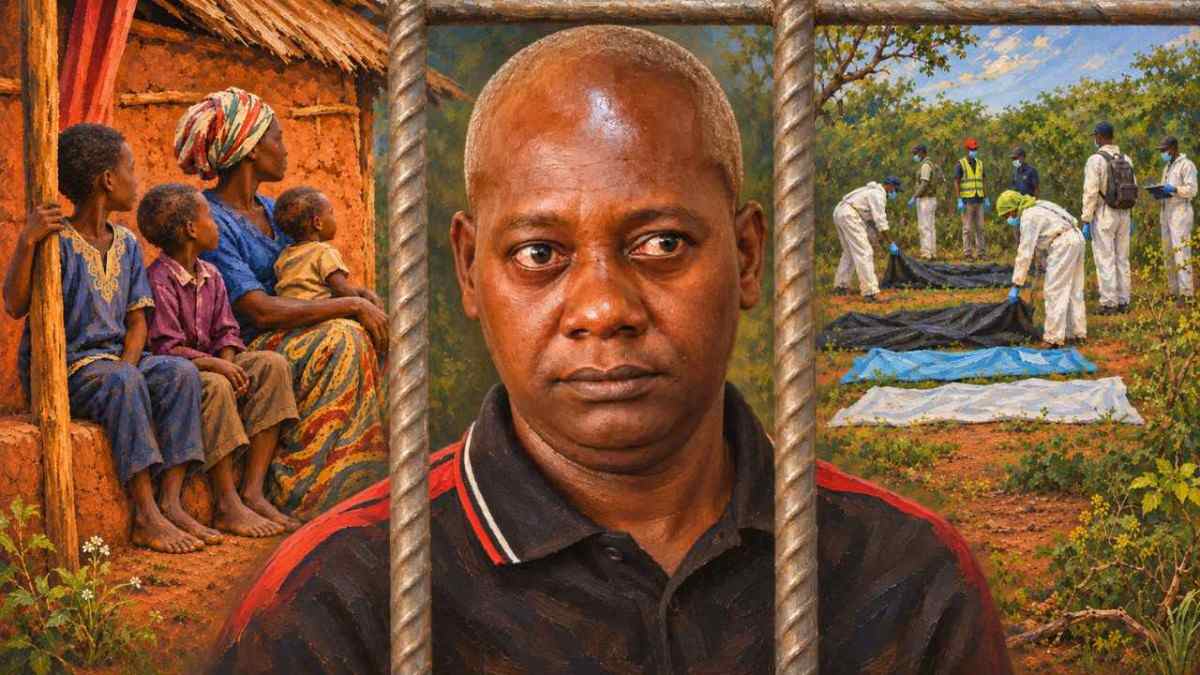
The Shakahola tragedy in Kenya stands as one of the most disturbing examples of religious extremism and the manipulation of Christian beliefs in contemporary Africa. What unfolded in the coastal region of Kilifi County in 2023 was not simply a case of religious fanaticism or an isolated incident of mass suicide. It exposed the devastating consequences of authoritarian religious leadership, apocalyptic preaching, psychological manipulation, social isolation and the failure of institutions to protect vulnerable communities.
The case raises a particularly uncomfortable question: when religious leaders claim to act in the name of God, but their teachings result in the systematic deaths of their own followers, where does religious freedom end and criminal responsibility begin?
The tragedy also invites a wider examination of the relationship between religious missions, poverty, tribal communities, social vulnerability and the expansion of extremist religious movements in Africa. However, the term tribal genocide requires careful examination: mass murder of members of a community does not automatically constitute genocide under international law. The identity of the victims, the perpetrators' intentions and the evidence of targeted destruction must all be established.
1. The Shakahola Forest: A Graveyard Hidden Behind Religious Promises
The Shakahola Forest, situated in Kilifi County near Malindi on Kenya's Indian Ocean coast, became the centre of an extraordinary criminal investigation in April 2023. What initially appeared to be a search for missing religious followers gradually developed into the discovery of one of the largest mass-death sites associated with religious extremism in modern African history.
The victims were followers of the Good News International Church, led by self-proclaimed pastor Paul Nthenge Mackenzie. His followers reportedly abandoned their homes, sold possessions and moved to the remote Shakahola settlement, believing that separation from worldly society would prepare them for salvation.
Paul Nthenge Mackenzie's preaching revolved around an imminent apocalypse and the belief that followers needed to prepare themselves to meet Jesus. Extreme fasting was presented as a spiritual requirement. According to parliamentary investigations, the instructions followed a horrifying sequence: children were to fast first, followed by women and then men, while Mackenzie himself was expected to be among the last to die.
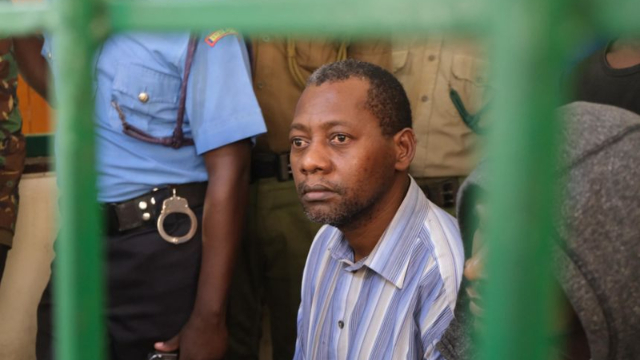
The situation was not simply a gathering of individuals voluntarily undertaking religious fasting. Investigators received accounts of armed enforcers supervising the process, preventing people from escaping and using violence against those who resisted. Some victims were reportedly strangled or beaten rather than allowed to die through starvation.
The Kenya Senate's Ad Hoc Committee documented allegations of coercion, intimidation, child deaths and the concealment of bodies in shallow graves. Its October 2023 report recorded that 428 bodies had been exhumed by 13 October, with another suspect's death bringing the total number of deaths associated with the investigation to 429.
The scale of the tragedy raised fundamental questions about how a religious organisation could operate such an isolated settlement, how vulnerable families could be persuaded to surrender their lives and how the deaths continued without timely intervention.
2. The 2026 Judgment: 200 Years for Paul Mackenzie
On 6 November 2026, the High Court in Mombasa delivered a landmark sentence against Paul Nthenge Mackenzie, bringing an important stage of the Shakahola murder proceedings to a conclusion.
Mackenzie was sentenced to an aggregate of 200 years in prison for the murders of 191 people: 190 children and one adult.
The court divided the murder convictions into two categories:
1. 183 counts involving deaths through starvation, for which he received 100 years.
2. Eight counts involving direct homicide, for which he received another 100 years.
The two categories of sentences were ordered to run consecutively, producing the aggregate 200-year term.
His associate and deputy, Smart Deri Mwakalama, received 160 years in prison. Other convicted associates also received substantial sentences, reflecting their respective roles in the criminal operation.
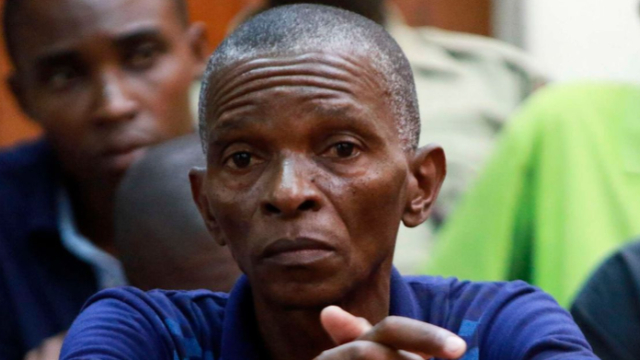
The prosecution established that the deaths were not merely the unintended consequences of extreme religious fasting. The court found an organised system in which religious instructions were enforced through a hierarchy involving people responsible for supervision, transportation, guarding and concealing the deaths.
Justice Diana Kavedza characterised the killings as calculated and emphasised the responsibility of the accused for the deaths of vulnerable followers, particularly children.
The judgment also addressed the responsibility of the state towards survivors. Authorities were directed to provide education, healthcare, counselling and economic support, including assistance with identity documents and opportunities for further education and employment.
This is particularly important because the consequences of the massacre extend beyond the individuals who died. Families were destroyed, children were orphaned, survivors were traumatised and entire communities were left struggling with the aftermath.
3. The Dark Side of Religious Mission: When Salvation Becomes a Tool of Control
The Shakahola massacre forces society to reconsider the meaning of a religious mission. Christianity has a long history of missionary activity in Africa, including education, healthcare, literacy, social welfare and community development. Churches have established schools, hospitals, vocational institutions and organisations supporting vulnerable populations. Missionary movements have also played important roles in the development of African communities. However, the existence of a Christian identity does not automatically make an organisation legitimate, ethical or representative of Christianity.
The Shakahola case demonstrates how religious language can be manipulated to create absolute obedience to an individual leader. A preacher who claims exclusive access to divine truth can gradually become more powerful than family relationships, community institutions, medical professionals and even the law. In such circumstances, religious belief becomes an instrument of domination. Several warning signs were identified in the Mackenzie organisation: isolation from society, rejection of formal education, discouragement of medical treatment, apocalyptic predictions, extreme fasting and the concentration of authority in one religious leader.
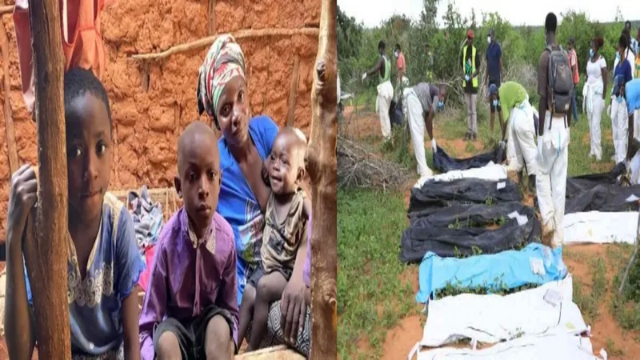
These practices are particularly dangerous when they involve children. Children cannot be expected to exercise the same informed freedom of religious choice as adults. Nor can parents use religious convictions to justify exposing their children to preventable death.
One of the most important lessons of the judgment is that religious freedom does not provide immunity from criminal law. The right to believe, worship and organise religious communities cannot be interpreted as a right to kill, abuse, starve or imprison other people. The tragedy should therefore be understood as a failure of religious accountability, institutional oversight and protection of fundamental human rights, rather than as an indictment of Christianity as a whole.
4. Tribal Communities and the Question of Genocide in Africa
The phrase tribal genocide introduces a wider and more sensitive dimension to the discussion. Africa's history contains numerous instances of ethnic persecution, communal violence, displacement, forced migration and mass atrocities. Indigenous and tribal populations have frequently experienced exploitation through colonial administration, resource extraction, political marginalisation and conflicts over land and identity. In some regions, religious identity has also intersected with ethnic and political divisions, creating conditions in which vulnerable communities become targets of organised violence. However, the Shakahola massacre must be examined through the available evidence rather than automatically classified as tribal genocide.
The available parliamentary and human-rights investigations identify the victims primarily as followers of Mackenzie's religious organisation. They document organised religious coercion, starvation, direct homicide and the exploitation of vulnerable families. They do not establish that the victims were systematically selected for destruction because of their tribal or ethnic identity.
Under the 1948 United Nations Convention on the Prevention and Punishment of the Crime of Genocide, genocide requires specific intent to destroy, in whole or in part, a national, ethnical, racial or religious group as such. The destruction of a group of religious followers through mass murder does not automatically establish that legal classification; the required intent and protected-group criteria must be proved.
Consequently, calling Shakahola a confirmed tribal genocide would be historically and legally inaccurate. Nevertheless, there is a legitimate question about the vulnerability of marginalised communities to extremist religious organisations.
Where poverty, limited access to education, inadequate healthcare, social exclusion and weak public administration exist, people may become particularly susceptible to individuals offering certainty, miraculous solutions and promises of a better life beyond suffering. This is where the Shakahola tragedy becomes relevant to the broader study of tribal rights, social justice and the responsibilities of religious institutions in Africa.
5. Why Were the Victims So Vulnerable?
One of the most important aspects of the Shakahola tragedy is the social environment in which the religious organisation expanded. Kilifi County is part of Kenya's coastal region, where communities face varying degrees of economic inequality, unemployment, limited access to public services and educational challenges. Such conditions do not make people inherently vulnerable to extremism, but they can increase the impact of manipulative religious leadership. The Mackenzie organisation reportedly attracted followers through promises of salvation, religious certainty and separation from what its leadership portrayed as a corrupt world.
The process of manipulation can be understood through several interconnected mechanisms.
1) Spiritual dependency: Followers were encouraged to regard the pastor's instructions as divine authority rather than personal interpretations that could be questioned.
2) Social isolation: Separation from ordinary society reduced opportunities for families, neighbours and public institutions to recognise the dangers.
3) Rejection of education: Discouraging formal education weakened children's opportunities for independent development and reduced their access to protective institutions.
4) Medical neglect: Opposition to conventional medical treatment increased the risks faced by children and other vulnerable individuals.
5) Psychological coercion: Apocalyptic predictions created fear that disobedience could prevent followers from attaining salvation.
6) Physical enforcement: Investigators documented allegations of guards and enforcers using violence to implement the fasting instructions.
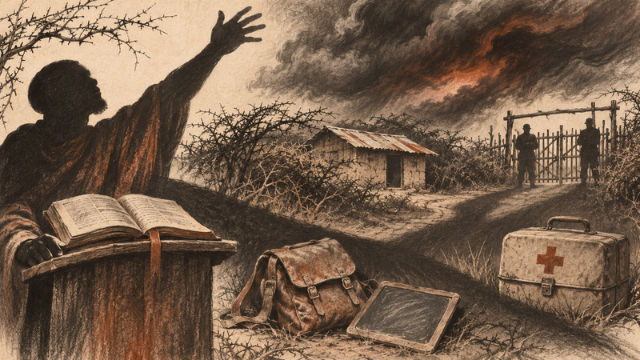
These mechanisms demonstrate that religious radicalisation is not always an immediate or spontaneous process. It can develop gradually through the destruction of independent decision-making, the replacement of family authority with religious hierarchy and the normalisation of extreme practices.
6. The Failure of Religious and Governmental Oversight
Another disturbing question concerns the institutional failures that allowed the situation to develop. Mackenzie had previously attracted the attention of authorities over his activities and teachings. Yet his organisation continued to operate and followers continued to gather in remote areas. The discovery of hundreds of bodies in 2023 prompted intense criticism of law enforcement, administrative authorities and the regulatory framework governing religious organisations. The Kenyan Senate subsequently investigated the proliferation of religious organisations and the circumstances surrounding the Shakahola deaths. Its report examined the responsibilities of religious leaders, security officials, registration authorities and other public institutions. It also proposed legislative reforms to strengthen oversight of religious organisations.
The issue is particularly complicated because Kenya's Constitution protects freedom of religion and association. Any regulatory system must therefore balance two essential responsibilities: protecting the right to religious belief and preventing criminal exploitation under the cover of religion. The state cannot simply treat unconventional religious beliefs as crimes. However, it has an obligation to intervene when credible evidence indicates child abuse, unlawful confinement, physical violence, organised murder or other serious offences. The Shakahola investigation illustrates the consequences of failing to identify and respond effectively to such warning signs. The Kenyan Senate's investigation and subsequent reforms became important parts of the national debate about religious accountability.
7. Church on Mission: The Difference Between Evangelism and Religious Exploitation
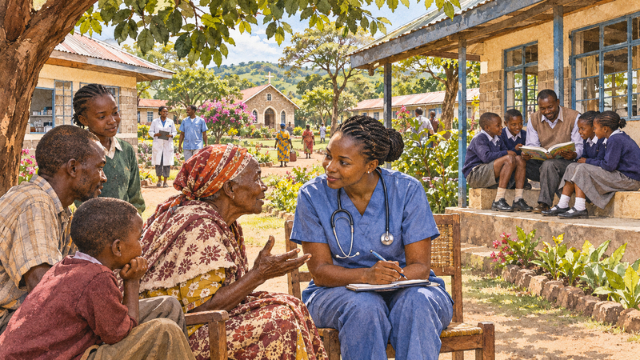
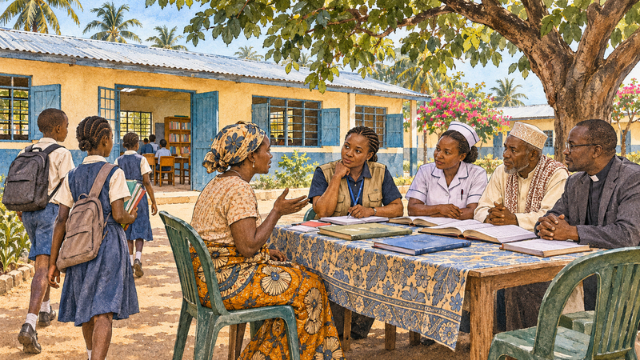
The Shakahola massacre raises an important question for Christian institutions across the world: what does it actually mean for a church to be on a mission? A genuine Christian mission should be associated with the preservation of human dignity, compassion, education, healthcare, social responsibility and the protection of vulnerable people. Historically, Christian missionary organisations in Africa have been involved in establishing educational institutions, healthcare facilities and community development programmes. Many churches continue to provide essential services in areas where government infrastructure remains inadequate.
But missionary language can also be misused. When an organisation demands unquestioning obedience to an individual, rejects education, discourages medical treatment, separates children from protective institutions and threatens people with divine punishment for disobedience, its activities require serious scrutiny. The Shakahola tragedy should encourage Christian denominations, independent churches, missionary societies and theological institutions to strengthen their internal accountability systems. Religious leadership must be subject to ethical standards. Churches must establish safeguarding policies for children, financial transparency, independent grievance mechanisms and procedures for reporting abuse.
No pastor, bishop, evangelist or missionary should be regarded as beyond accountability because of their religious position. Most importantly, the Bible's teachings about salvation, sacrifice and fasting should never be used to justify the deliberate destruction of human life.
8. Lessons for Africa: Religious Freedom Must Include the Right to Live
The consequences of Shakahola extend beyond Kenya. African nations contain diverse religious communities, indigenous traditions, tribal identities and missionary movements. Religious institutions frequently operate in regions where public services are limited and where churches become important centres of community life. This creates both opportunities and responsibilities. Religious institutions can contribute positively to development, but their social influence also makes accountability essential.
The Shakahola tragedy offers several lessons for African governments and civil society. First, children must be protected from religious practices that endanger their lives, health and education. Second, religious organisations must maintain transparent leadership structures and comply with criminal, child-protection and public-safety laws. Third, governments must establish effective systems for investigating credible allegations of religious exploitation without discriminating against legitimate religious minorities. Fourth, communities must have access to education, healthcare and independent information so that religious belief does not become a substitute for essential human rights. Finally, religious leaders themselves must speak against extremist interpretations that promote violence, coercion and death.
The tragedy also demonstrates why survivors require long-term support. Rescue alone does not restore a person's life. Psychological counselling, education, rehabilitation, economic assistance and social reintegration are necessary to rebuild the lives of those who escaped.
9. A Warning for Missionary Organisations and Independent Churches
The Shakahola case should not be used to condemn every independent church, evangelical movement or missionary organisation operating in Africa. Such generalisations would be unfair to millions of Christians and religious workers who contribute positively to society. Nevertheless, the tragedy highlights the dangers of religious organisations that operate without meaningful accountability. In particular, missionary expansion should never be measured simply through the number of converts, churches established or communities reached. Its ethical value must also be assessed through its contribution to human welfare.
A church that builds schools, protects children, supports healthcare and promotes dignity demonstrates a commitment to community development. A religious organisation that isolates followers, manipulates families and places children in mortal danger has abandoned those responsibilities. The distinction is fundamental and must be followed by the Church on Mission: a religious mission should preserve human life, not demand its destruction.
From Shakahola to a Global Debate on Religious Accountability
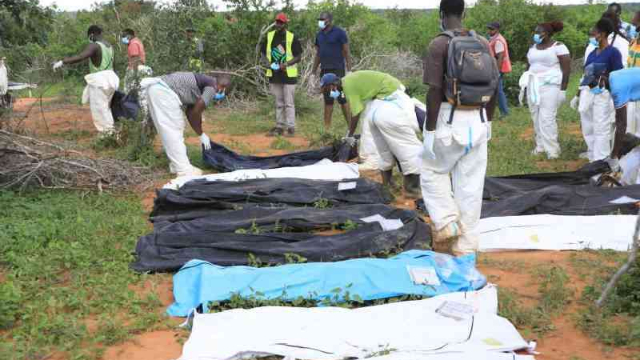
The Shakahola massacre of 2023 is a tragic reminder of how religious authority can be transformed into an instrument of organised violence. The discovery of more than 400 bodies, the suffering of surviving families and the eventual conviction of Paul Mackenzie and his associates demonstrate the devastating consequences of extremist religious manipulation. The 200-year sentence handed down in November 2026 is an important judicial response to the murder of 191 people. The additional sentence imposed on Smart Mwakalama and other convicted associates reinforces the principle that responsibility extends beyond the principal religious leader to those who actively facilitate criminal conduct.
Yet punishment alone cannot resolve the wider problem. The real challenge is to ensure that religious freedom is not exploited by individuals who establish authoritarian organisations under the appearance of spiritual missions. The question of tribal genocide deserves further investigation in the broader African context, particularly where religious movements interact with ethnic marginalisation, poverty, land conflicts and political violence.
However, Shakahola itself is best described, on the available evidence, as a mass murder and religious-extremism tragedy rather than an established case of tribal genocide. Ultimately, the most disturbing feature of Shakahola is that many victims believed they were following a path to eternal life, while the people directing them were leading them towards death. A church's mission should be measured by the lives it saves, the children it educates, the communities it empowers and the dignity it protects – not by the obedience it demands from its followers.
Written by
Rupkunvar Ghelot