Shocking Errors in Sonia Gandhi’s Memoir: A Catalogue of Historical Blunders
From wrong death year of Ahmed Patel to misdating RSS founding and Anna Andolan, Sonia Gandhi’s Belonging is littered with elementary factual blunders
Total Views |


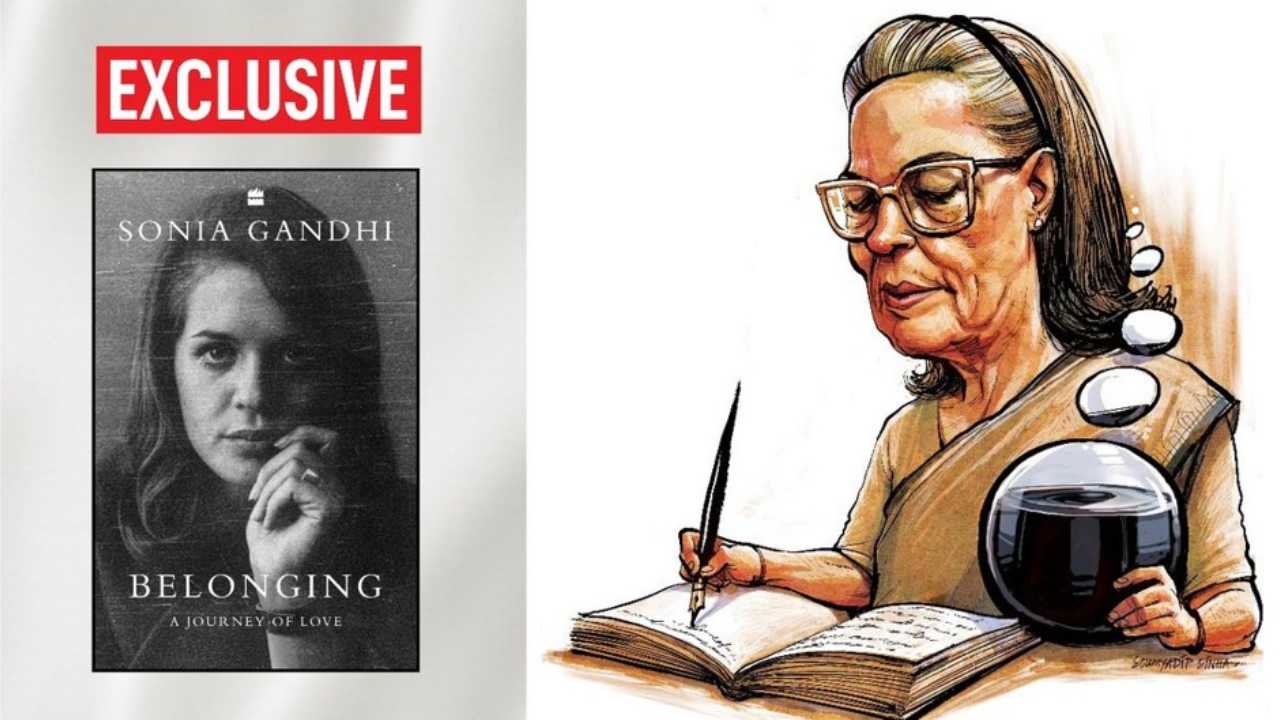
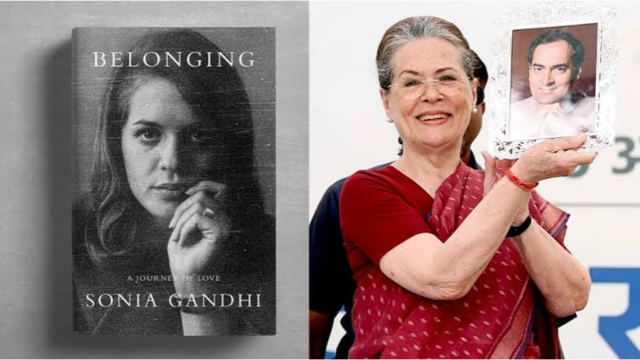
Sonia Gandhi’s long-awaited memoir ‘Belonging: A Journey of Love’, released on 10 November 2026, was projected to offer an intimate account of her personal and political journey. Instead, it has rapidly become a case study in careless handling of established facts. Within days of publication, multiple glaring inaccuracies have surfaced, errors so basic that they raise serious questions about the seriousness with which the Congress leader and her team approached the historical record.
The book’s own pages supply the evidence. Many particularly egregious mistakes stand out, each concerning events and institutions central to India’s recent political history.
Ahmed Patel’s Death Year:
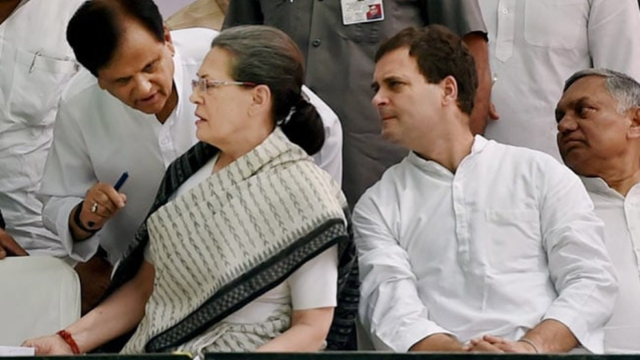
In Chapter 29 (page 401), Gandhi writes that her long-time political secretary and close confidant Ahmed Patel “remained my political secretary till sadly he fell victim to the Covid epidemic in 2022, leaving a vacuum in the party and an absence I felt personally.”
The truth is unambiguous. Ahmed Patel passed away on 25 November 2020 after complications arising from COVID-19. He had tested positive in early October 2020 and was treated at Medanta Hospital in Gurugram. A two-year error in the death date of one of her closest aides is not a minor slip; it is a fundamental failure of recollection and fact-checking.
RSS Founding Year:
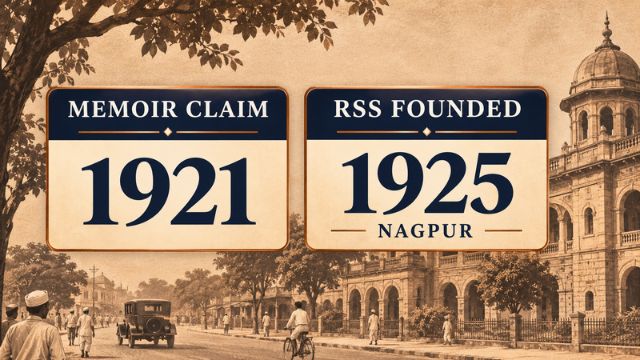
In Chapter 24 (page 338), the memoir asserts: “the RSS, founded in 1921, dreamed of a ‘Hindu nation’ that would replace constitutional ideals of equality, pluralism, and secularism with second-class citizenship for Muslims, Christians, and other religious minorities in India.”
MUST READ - Keralam: Islamic Radical SDPI leads fresh drive for Malappuram split; Republic Day human chain set for new Tirur district
This is factually false. The Rashtriya Swayamsevak Sangh was founded on 27 September 1925 in Nagpur by ‘Dr Keshav Baliram Hedgewar’. The four-year discrepancy is a matter of record. Compounding the error is the ideological characterisation that follows an old, repeatedly refuted caricature presented as settled history.
Anna Hazare Movement:
On page 461, Gandhi places the emergence of the India Against Corruption movement in 2012: “In 2012 a well-known activist from Maharashtra, Baburao ‘Anna’ Hazare… emerged as the figurehead of a movement that titled itself ‘India Against Corruption”.
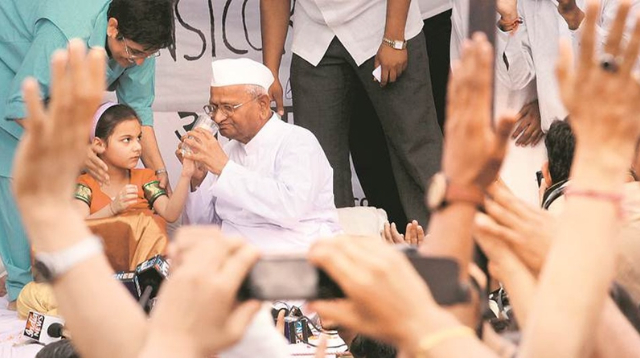
The movement gained national prominence in 2011. Anna Hazare began his indefinite hunger strike at Delhi’s Jantar Mantar on 5 April 2011 demanding a strong Jan Lokpal Bill. Major phases of the agitation, including the Ramlila Maidan fast, also took place that year. Shifting the timeline by a full year distorts a key chapter of the UPA era.
Ahmedabad as Gujarat’s Capital:
While discussing the 2002 Gujarat riots, the book refers to Ahmedabad as the state capital. Gujarat’s capital has been Gandhinagar since 1970. Ahmedabad is the state’s largest city and commercial hub, but it is not the capital. This is elementary geography, not specialised knowledge.
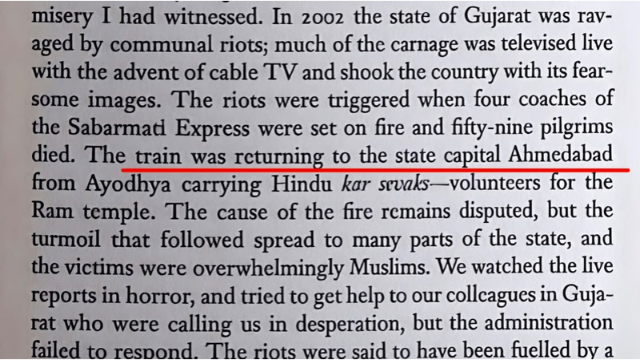
These are not isolated lapses. Independent examinations have flagged as many as 55 factual and contextual discrepancies across the memoir ranging from parliamentary procedures and election tallies to the timeline of the Kargil conflict and details of the Godhra train fire. The pattern suggests a systemic failure of verification rather than isolated memory lapses.
For a leader who has occupied the highest positions in the Congress party and the opposition for decades, such elementary errors are striking. When the founding year of a major national organization is misstated by four years, when the death of a close aide is shifted by two years, and when the capital of a major state is wrongly identified, the claim to authoritative recollection collapses.
Accuracy is the minimum requirement of any serious engagement with history. Belonging fails that test on multiple counts. The errors it contains are now part of the public record and they speak louder than the narrative the book attempts to construct.
Written by

Kewali Kabir Jain
Journalism Student, Makhanlal Chaturvedi National University of Journalism and Communication