Tribals in Jharkhand’s Gumla Raise Boards Against Missionaries as Tribal Activist Nisha Bhagat’s Death Sparks Outrage
Nisha Bhagat alleged harassment by the Hemant Soren government before her death. How did his administration respond when a tribal activist who spoke out against religious conversions and fought for tribal land rights appealed for protection?
Total Views |


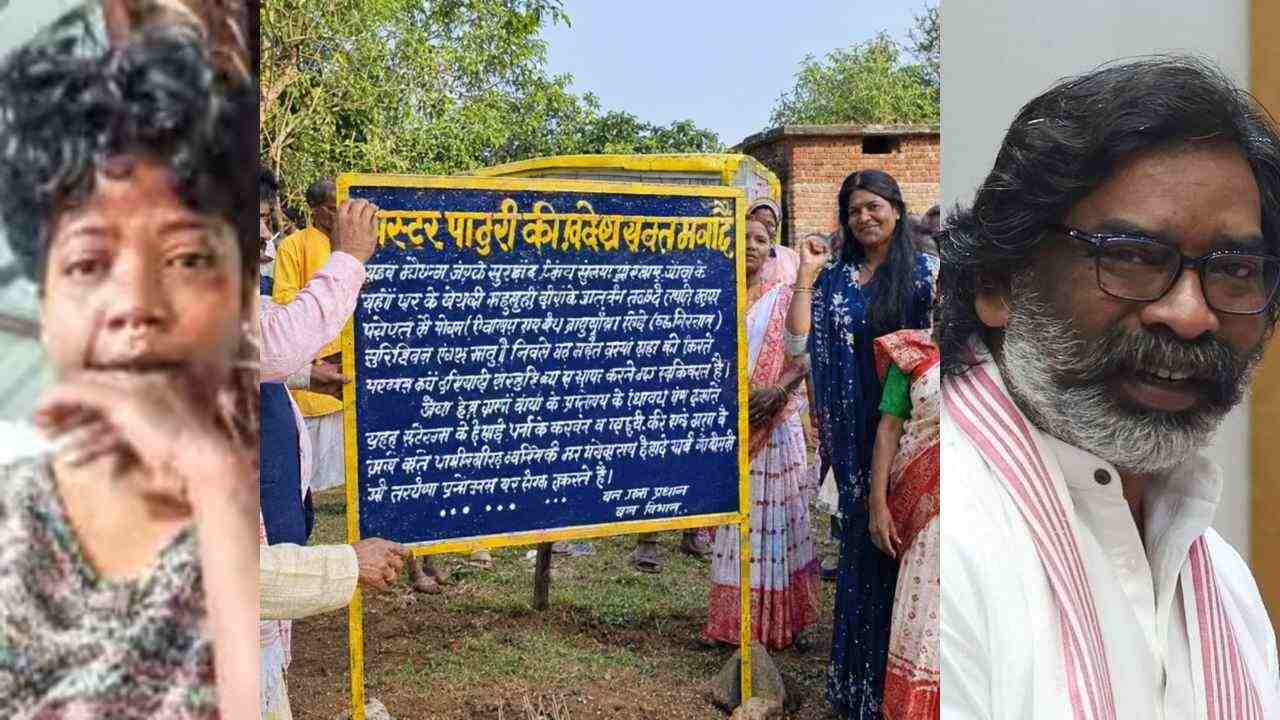
On November 1 2026, villagers in Jharkhand’s Gumla district put up boards barring Christian pastors after Gram Sabha resolutions to protect Sarna traditions. Days later, activist Nisha Bhagat’s death in Ranchi prompted calls for a probe.
In the villages of Gumla district in Jharkhand, a quiet but firm assertion of identity is taking shape. Residents of places such as Kobja (and nearby areas including Ramja) under Raidih block have installed boards declaring “No Pastor or Missionary allowed,” citing the need to protect their Sarna faith, culture, and traditions. The move, decided through Gram Sabha resolutions that invoke the Fifth Schedule and the Panchayats (Extension to Scheduled Areas) Act (PESA), reflects growing concern among sections of the tribal community over religious conversions.
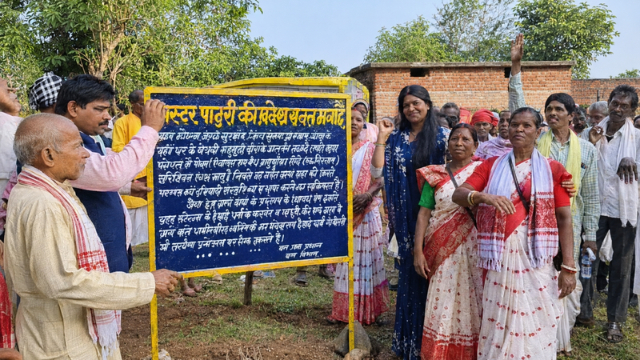
These boards and the gatherings around them form the backdrop to a larger, more tragic story. Just days earlier, tribal activist Nisha Kumari Bhagat, an Oraon from Gumla who had long campaigned against conversions and land mafias, died by suicide in Ranchi on November 6, 2026. Before her death she went live on Facebook for roughly 10-11 minutes, visibly distressed, alleging harassment by the Hemant Soren-led state government and land brokers, and expressing despair that her appeals for protection had gone unheard.

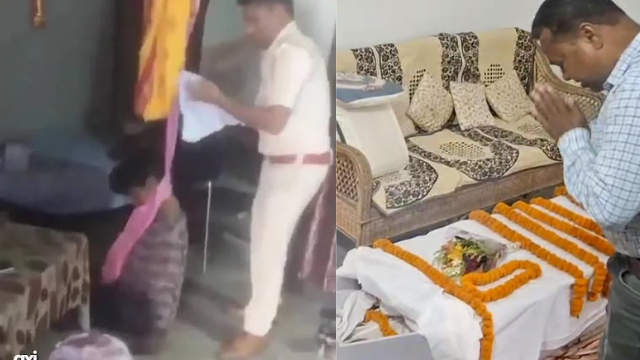
Police found her body hanging; an unnatural death case was registered, and the matter has since been handed to the CBI on the Chief Minister’s orders.
Who Was Nisha Bhagat?
Bhagat, in her late 30s, came from a family shaped by the Jharkhand movement – her father Handu Bhagat had been active in the statehood struggle. She was known for advocating tribal rights, land protection and the preservation of Sarna identity. She opposed what she described as inducement-based conversions of tribals, supported demands for a separate Sarna code in the census, and called for delisting of converted tribals from Scheduled Tribe reservation benefits so that those benefits remained available to those who retained traditional practices.
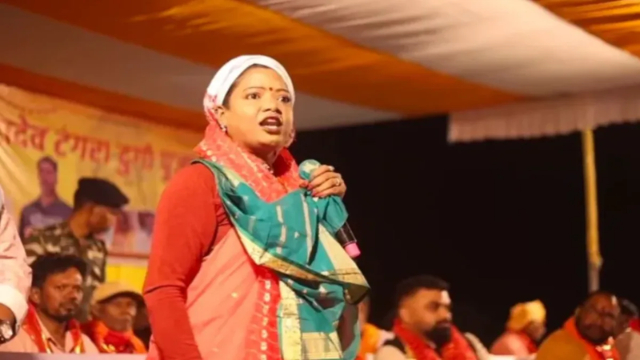
She had contested the 2024 Assembly election from Gumla on a Jharkhand Loktantrik Krantikari Morcha ticket, later remaining unaffiliated while serving in roles linked to the Central Sarna Committee. In the period leading up to her death she had spoken publicly about threats, online trolling (including being labelled a “dalal”), and the failure of authorities to act on her complaints, including a reported robbery at her residence. Supporters and opposition leaders portrayed her as a lone fighter against both religious conversion networks and land mafias operating in tribal areas.
The Boards and the Community Stand
Videos circulating from Gumla show villagers, including women in traditional attire, gathered around blue boards with Hindi text prohibiting the entry of pastors and priests. Participants reference Gram Sabha authority under PESA and the Fifth Schedule to regulate activities that they believe threaten customary practices and social cohesion. Local reports confirm that such decisions were taken collectively in Kobja and other villages in early November 2026, with community members taking oaths to uphold the ban.
Activists associated with the Sarna community have framed these steps as defensive measures to safeguard indigenous religious and cultural identity rather than attacks on individuals of other faiths. Critics of conversion activities in the region have long argued that economic vulnerability among tribals is sometimes exploited through promises of aid, education, or healing, leading to demographic and cultural shifts in Scheduled Areas.
Political Fallout
Bhagat’s death rapidly became politicised. The BJP demanded a CBI probe and the resignation of Chief Minister Hemant Soren, alleging that her activism against conversions and land mafias had made her a target and that the administration had failed to protect her. Leaders including Babulal Marandi and others visited the family and paid respects. The Vishva Hindu Parishad and other organizations echoed calls for a central investigation.
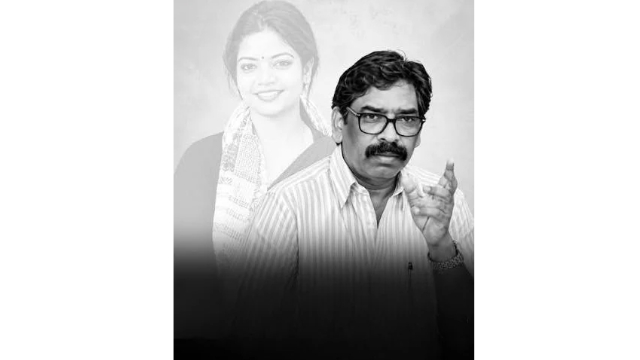
The ruling side maintained that while Bhagat had been critical of the government, she was not an enemy, and that an impartial probe was underway. On November 10, Soren announced that the case had been transferred to the CBI. The National Commission for Women also sought a report and an impartial investigation, noting her earlier complaints.
Broader Context
The events in Gumla sit within long-running debates in Jharkhand and other tribal-majority regions of India. Questions of religious freedom, the right of communities to preserve customary practices, the implementation (or non-implementation) of PESA, the status of converts vis-à-vis reservation benefits, and the role of land mafias frequently intersect. Gram Sabha resolutions of the kind seen in Kobja represent one form of local assertion of authority under existing legal frameworks for Scheduled Areas.
Nisha Bhagat’s final video and the subsequent installation of protective boards have amplified these issues. Whether the CBI investigation clarifies the circumstances of her death and whether similar village-level measures spread will shape the next chapter of this contested terrain. For many in the Sarna community, the boards and the memory of the activist who fought for their identity have become symbols of resolve: the insistence that their traditions will not be allowed to disappear quietly.
Written by
Rupkunvar Ghelot