Beyond Naxalism: Chhattisgarh’s Cultural Revival at Bharat Mandapam
Bastar’s tribal heritage and folk arts take the national stage as Chhattisgarh projects a confident new identity of culture, investment and post-Naxal prosperity at the India International Trade Fair
Total Views |


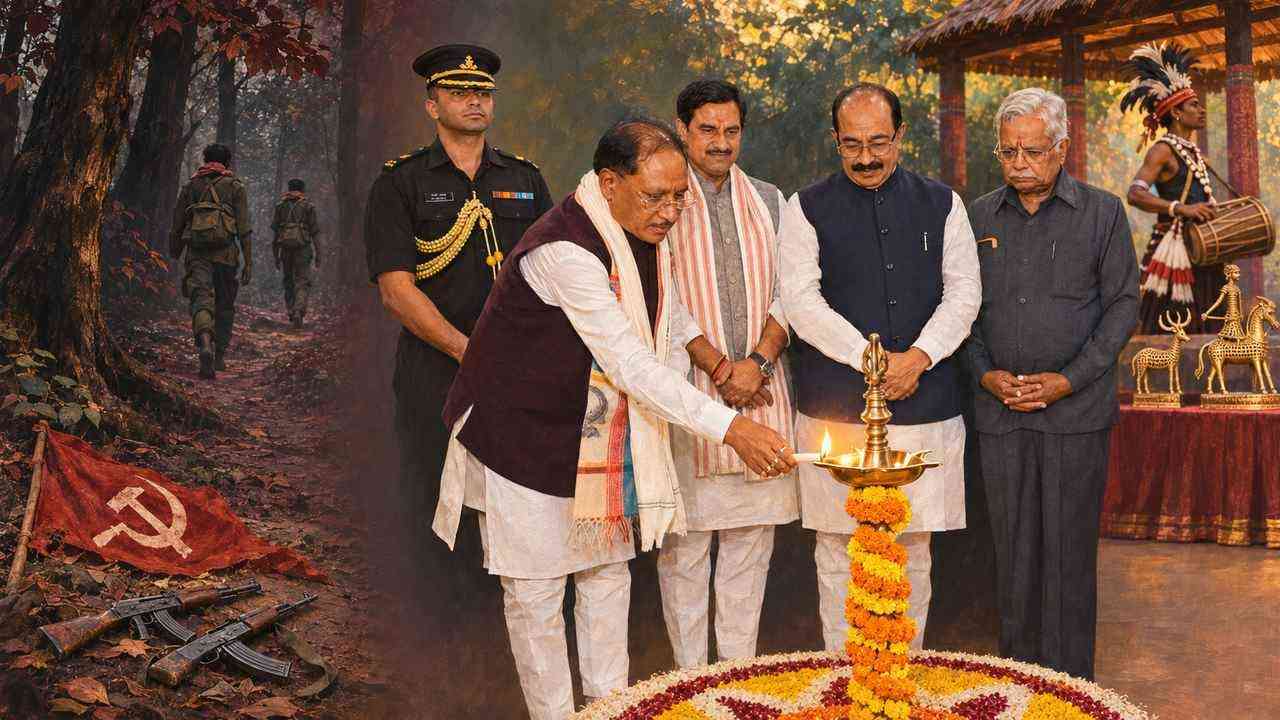
On the evening of 20 November 2026, Chhattisgarh took centre stage at the 45th India International Trade Fair at Bharat Mandapam in New Delhi. The resource-rich state used the occasion to showcase its cultural heritage and set out its ambitions for investment, jobs and inclusive growth after decades of Maoist violence.
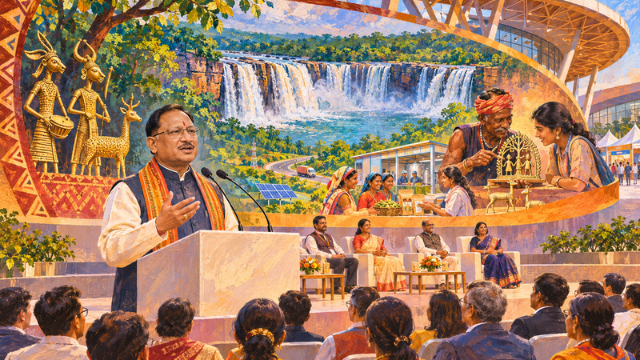
At the amphitheatre of Bharat Mandapam, folk artists in traditional attire brought the pulse of Bastar and the plains to the capital. Rhythmic beats of the mandara and dhol filled the air as performers presented Gaura, Gaura-Gauri, Bhojali, Raut Nacha, Sua, Panthi and Karma dances. Each form carried the living heritage of tribal communities, agrarian life and spiritual traditions that have survived decades of disruption.
Chhattisgarh Governor Ramen Deka, the chief guest, struck a clear note of opportunity. He described Chhattisgarh as a state blessed with natural resources, agricultural strength and industrial potential in steel, cement, energy, aluminium, food processing and manufacturing. The Industrial Development Policy 2024-30, he said, is designed to attract investment, generate employment and nurture entrepreneurship. He specifically urged investors, both domestic and foreign, to look at agro-based industries and value addition of minor forest produce as pathways that would raise rural incomes and strengthen the local economy.
The Governor underlined that the real strength of the state lies in its hardworking farmers, skilled artisans, women and youth. He called for greater participation of young people in startups and innovation, and for wider market access for products made by women’s self-help groups and traditional craftspeople. Cultural heritage, he stressed, must advance hand in hand with economic progress so that Chhattisgarh becomes industrially strong, culturally confident and socially cohesive.
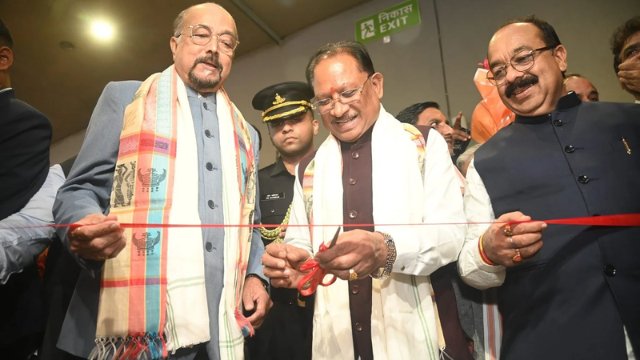
Chhattisgarh Chief Minister Vishnu Deo Sai placed the celebration in a larger historical frame. Regions such as Bastar, once defined in the national imagination largely by Naxalism and conflict, are now projecting a different identity rooted in tribal culture, natural beauty and emerging development opportunities. The strong presence of Chhattisgarh at the trade fair, he said, reflects this shift. It is the first time since the state’s formation that a Chief Minister has attended the fair with such a large contingent of cabinet colleagues, signalling institutional commitment to showcasing the state’s new face.
The cultural evening was attended by Union Minister of State Tokhan Sahu, Chhattisgarh Deputy Chief Ministers Arun Sao and Vijay Sharma, and several other ministers and public representatives. Their presence underlined the priority being given to projecting Chhattisgarh’s transformation at the national level.
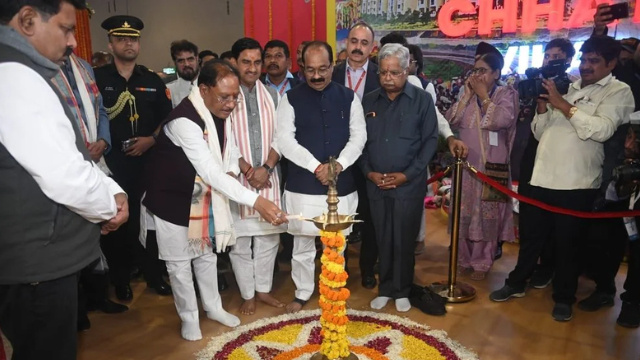
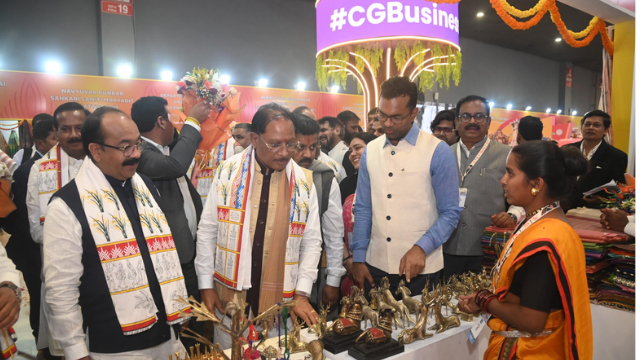
Earlier, the Chief Minister visited the state pavilion. He inspected displays of Bastar bell-metal craft, Kosa silk from Champa, tribal jewellery, handloom textiles and products derived from forest produce. Millet-based items made from kodo, kutki and ragi also drew his attention. A 3D virtual-reality experience of the Chitrakote waterfall particularly impressed him. He described the use of modern technology to present the state’s natural attractions as an innovative step that can help visitors from across India and abroad discover Chhattisgarh tourism potential.
The message from Bharat Mandapam shows that Chhattisgarh is no longer content to be viewed through the narrow lens of past security challenges. It is presenting itself as a land of living cultural traditions, entrepreneurial energy and open invitation to investment. The folk artists who performed that evening were living proof that the state’s deepest strengths are its people, its heritage and its resolve remain intact and are now being channelled towards a more prosperous future.
Written by
Kewali Kabir Jain
Journalism Student, Makhanlal Chaturvedi National Journalism and Communication University