Sonia Gandhi’s Name on Voter Rolls Years Before Citizenship: Delhi Police Confirms to Court
Police report to court confirms Italian national was on electoral rolls for years before becoming Indian citizen; FIR still not registered
The Narrative World 29-Nov-2026
Total Views |


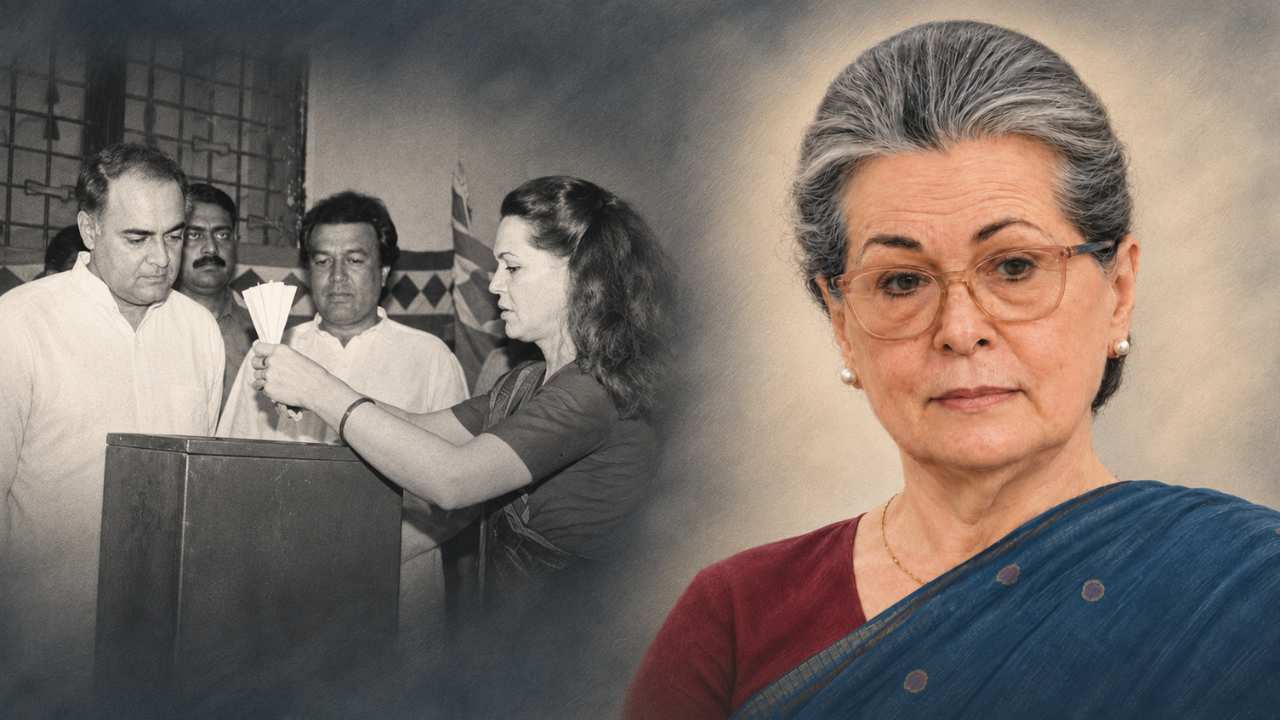
In a development that once again puts the spotlight on long-standing questions around Sonia Gandhi’s early years in Indian public life, the Delhi Police has told a court that the former Congress president was granted Indian citizenship only in April 1983 yet her name figured on the electoral rolls as early as 1980.
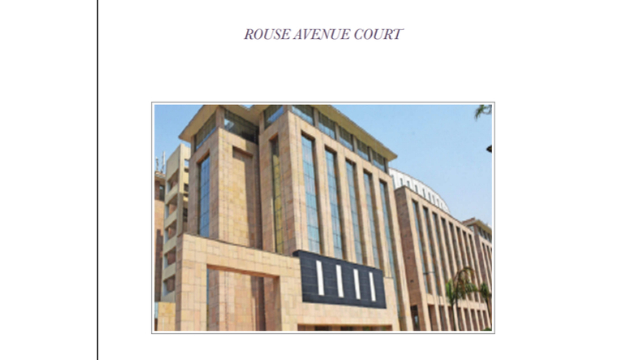
The disclosure came in an Action Taken Report submitted on 27 November before Additional Chief Judicial Magistrate Vinod Joshi of the Rouse Avenue Court. Sub-Inspector Yashwant of Tughlak Road Police Station informed the court that the Ministry of Home Affairs and the District Magistrate of New Delhi had verified the relevant records.
According to the police submission, a notice was served on the Foreigners Division of the MHA seeking the precise date of citizenship. The ministry confirmed that the citizenship certificate was issued to Antonia Maino alias Sonia Gandhi on 30 April 1983. Prior to that date she remained an Italian citizen. The District Magistrate’s office, for its part, verified that her name appeared on the electoral rolls of 1980 and 1983.
The complaint that triggered the inquiry was filed by advocate Vikas Tripathi in August last year. It alleged that an Italian national’s name could not have legitimately figured on Indian voter lists for multiple years and sought a proper investigation into possible forgery or procedural irregularities. The matter was eventually transferred to Tughlak Road police station after questions of jurisdiction arose.
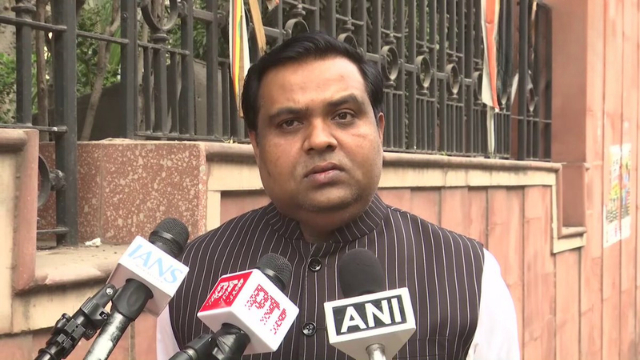
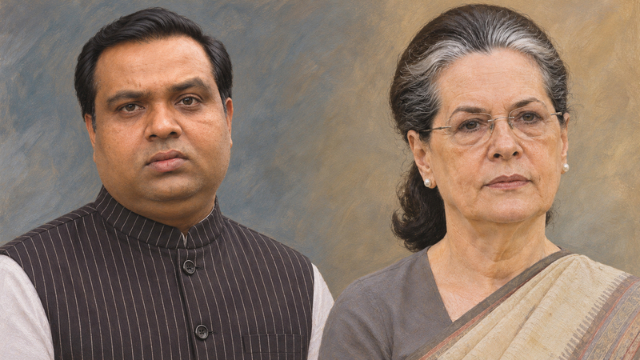
Tripathi told the court that the Investigating Officer had confirmed the core claim: Sonia Gandhi’s name stood on the voter lists of 1980, 1981, 1982 and 1983. He questioned why an FIR had still not been registered when the basic facts stood verified by both the MHA and the district administration. The police have sought a report from the Election Commission, which is still awaited.
The court has not been fully satisfied with the progress so far. It has summoned the Station House Officer of Tughlak Road and fixed the next date of hearing for 14 December. Earlier, the Electoral Registration Officer’s office had also informed the police that while the name appeared on the 1980 and 1983 rolls, the original Form 6 and supporting documents were not available.
This is not the first time the case has travelled up the judicial ladder. The ACJM had earlier declined to order the registration of an FIR. That order was set aside by the Special Judge dealing with MP-MLA cases on a revision petition filed by Tripathi, and the matter was sent back for fresh consideration.
How an individual who was still a foreign national came to be enrolled as a voter, and whether the electoral machinery of the time simply looked the other way because of the political stature of the family she had married into.
The police report now places official confirmation on the central factual discrepancy. Whether the investigation moves beyond paper verification to a full probe into possible offences remains to be seen when the court resumes hearing on the next date.
Written by
Kewali Kabir Jain
Journalism Student, Makhanlal Chaturvedi National Journalism and Communication University

नैरेटिव डेस्क
नैरेटिव डेस्क