Made-in-India Pinaka Eyes 4,000-Rocket Boost at Home and Abroad
Demand linked to the Indian Army and Armenia could give India’s indigenous rocket programme fresh momentum, strengthening military readiness, creating manufacturing opportunities and building a stronger foundation for overseas sales.
Total Views |


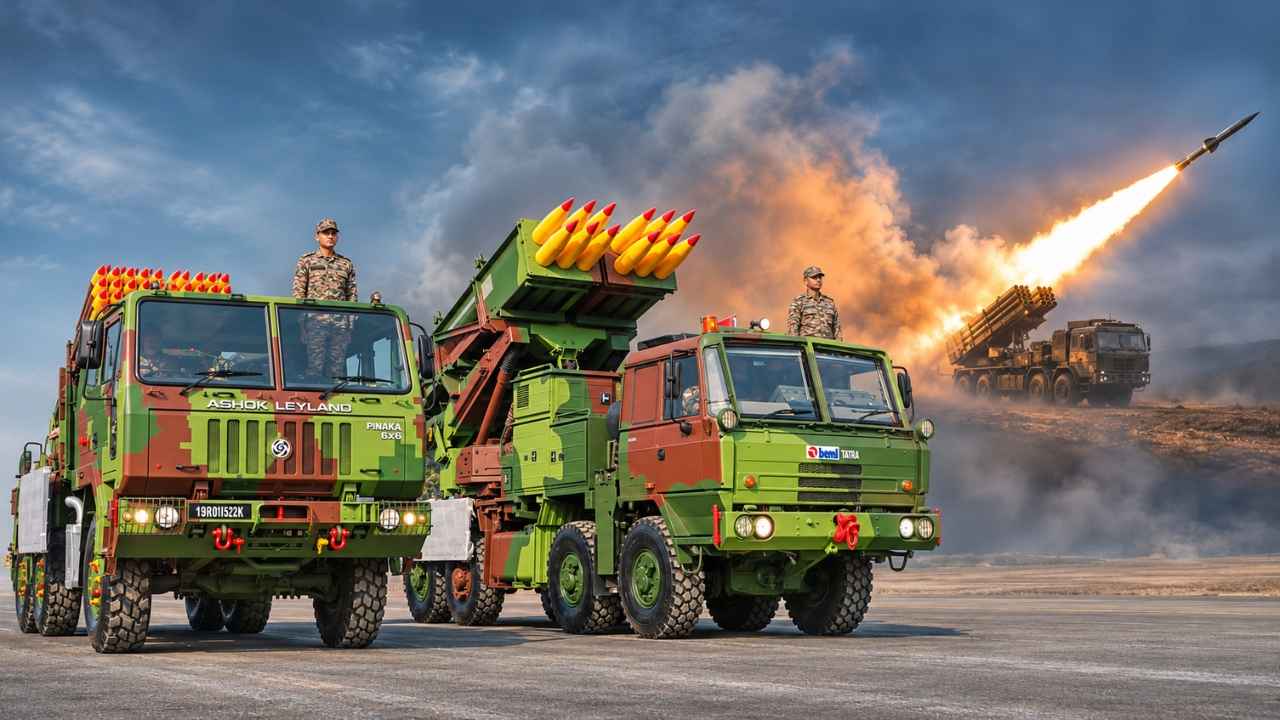
India’s indigenous Pinaka programme could gain fresh momentum from reported demand for around 4,000 rockets for its Army and Armenia, with industry expecting orders by December 2026, potentially expanding domestic production, military readiness and export opportunities.
A Major Opportunity for Indian Defence Manufacturing
India’s Pinaka programme is emerging as an example of how indigenous defence technology can serve the armed forces while finding customers abroad. A reported requirement of around 4,000 rockets could provide another significant opportunity to expand that success.
During Apollo Micro Systems’ recent earnings call, management referred to approximately 2,000 units connected with Armenia and another 2,000 for the Indian Army. It described Armenian orders as already received by manufacturers and indicated that domestic procurement and related supplier orders were advancing, with Pinaka-related orders expected before December-end. The statements point to a promising pipeline, although they do not constitute an official announcement of a single, newly signed 4,000-rocket deal.
If the outstanding requirements become firm contracts, their significance could extend beyond the immediate order books. They could help sustain production, strengthen domestic suppliers and demonstrate India’s ability to manufacture advanced ammunition for both national and international requirements.
More Firepower, Greater Readiness
Developed by the Defence Research and Development Organisation, Pinaka gives the Indian Army an indigenous rocket artillery capability for engaging targets at extended distances. Guided variants add greater accuracy, strengthening the programme’s military value.
DRDO says Guided Pinaka met its prescribed performance requirements during evaluation trials. Additional ammunition could deepen available stocks and support training and operational readiness, with the precise gains depending on the variants acquired and their deployment.
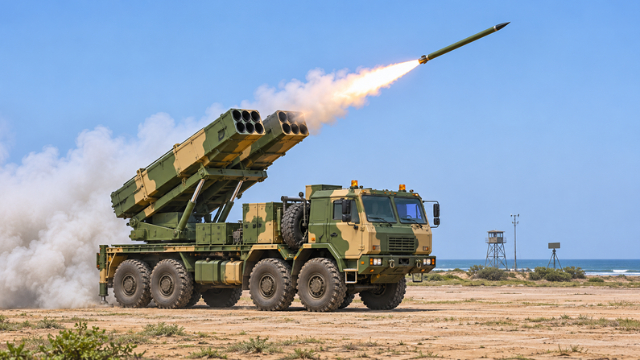
For India, the advantage also lies in the ability to manufacture and replenish ammunition at home. A dependable domestic production base gives military planners greater control over supplies and strengthens the country’s capacity to respond to changing requirements.
An Industrial Gain Beyond the Rocket
A rocket order creates work across a network of manufacturers. Engineering firms, electronics suppliers, materials producers, testing facilities and logistics providers can all benefit from increased production.
Firm demand gives companies a stronger basis for investing in machinery, expanding facilities and training workers. Larger production runs may also improve efficiency by spreading manufacturing costs across more units.
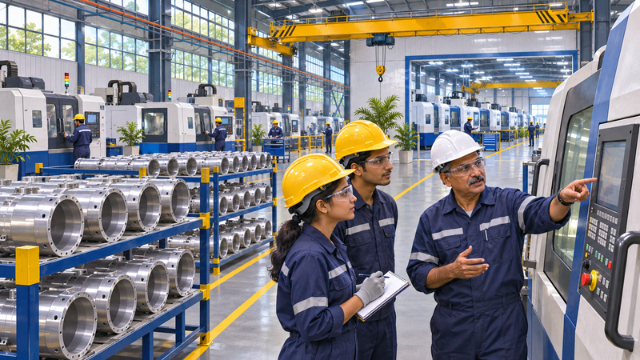
The opportunity is particularly relevant for smaller Indian suppliers. In announcing earlier Pinaka procurement, the Defence Ministry highlighted the potential for direct and indirect employment through MSME component manufacturing. Further orders could extend these opportunities, depending on how production is allocated.
These benefits would build on an existing commitment to the programme. In February 2025, the ministry announced Pinaka ammunition contracts worth ₹10,147 crore, alongside a software upgrade agreement. That procurement is separate from the currently reported requirement, but it demonstrates the scale of domestic investment already supporting Pinaka.
Armenia Strengthens the Export Story
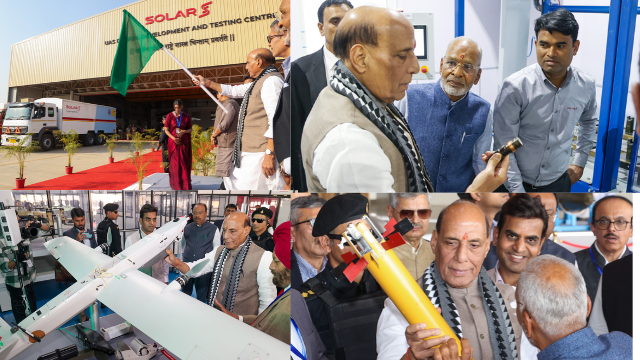
Pinaka’s international prospects are supported by deliveries already under way. On January 18, 2026, Defence Minister Rajnath Singh flagged off the first tranche of Guided Pinaka rockets for Armenia from Solar Defence and Aerospace Limited’s Nagpur facility.
Further Armenian demand could strengthen India’s position as a continuing supplier. Ammunition purchases can develop into longer relationships involving replenishment, training, technical support and future upgrades, subject to agreements between the parties.
Successful overseas deliveries also provide a valuable reference for other prospective customers. They allow Indian manufacturers to demonstrate production capacity, product reliability and their ability to support equipment after delivery.
A Stronger Route from Import Dependence to Export Capability
The wider opportunity is to meet more of India’s defence needs domestically while selling Indian technology abroad.
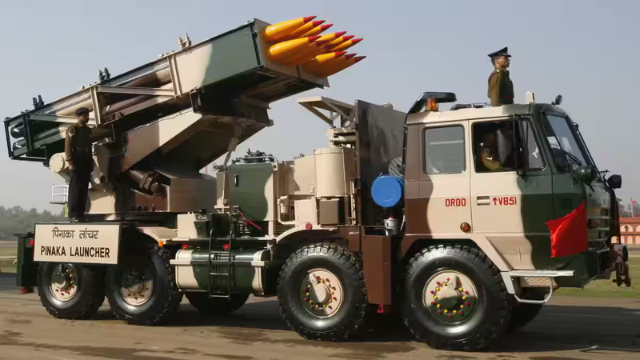
Producing comparable ammunition at home can reduce the need for foreign purchases and retain more manufacturing activity within India. Export sales can bring overseas revenue and broaden the customer base supporting domestic production.
These two sources of demand can reinforce each other. Indian Army procurement helps sustain industrial capacity, while international orders can support scale and give manufacturers greater confidence to invest.
Technology That Can Keep Moving Forward
Pinaka’s appeal also rests on continued development. In July 2026, DRDO successfully tested a Long Range Guided Rocket from an in-service Pinaka launcher, demonstrating the platform’s ability to accommodate variants of
different ranges. That test does not establish which variant is covered by the reported orders.
For manufacturers and customers, this offers a promising direction: a platform that can evolve as requirements change. Sustained production could help preserve engineering skills, support quality improvements and strengthen the industrial base needed for future development.
Turning Opportunity into Lasting Progress
The reported 4,000-rocket pipeline offers India a chance to advance several goals together: stronger Army readiness, more domestic manufacturing, skilled employment and deeper defence exports.
Its lasting value will depend on converting outstanding requirements into contracts and delivering reliable equipment on schedule. If industry achieves that, Pinaka could strengthen its role as both a military asset and an Indian export success, showing how investment in indigenous technology can generate security and economic gains together.