Delhi Red Fort Blast: NIA Arrests Two Over Alleged AGH Conspiracy
Two men held over alleged Ansar Ghazwat-ul-Hind links as NIA deepens probe into 10 November blast that killed 11 near Red Fort.
Total Views |


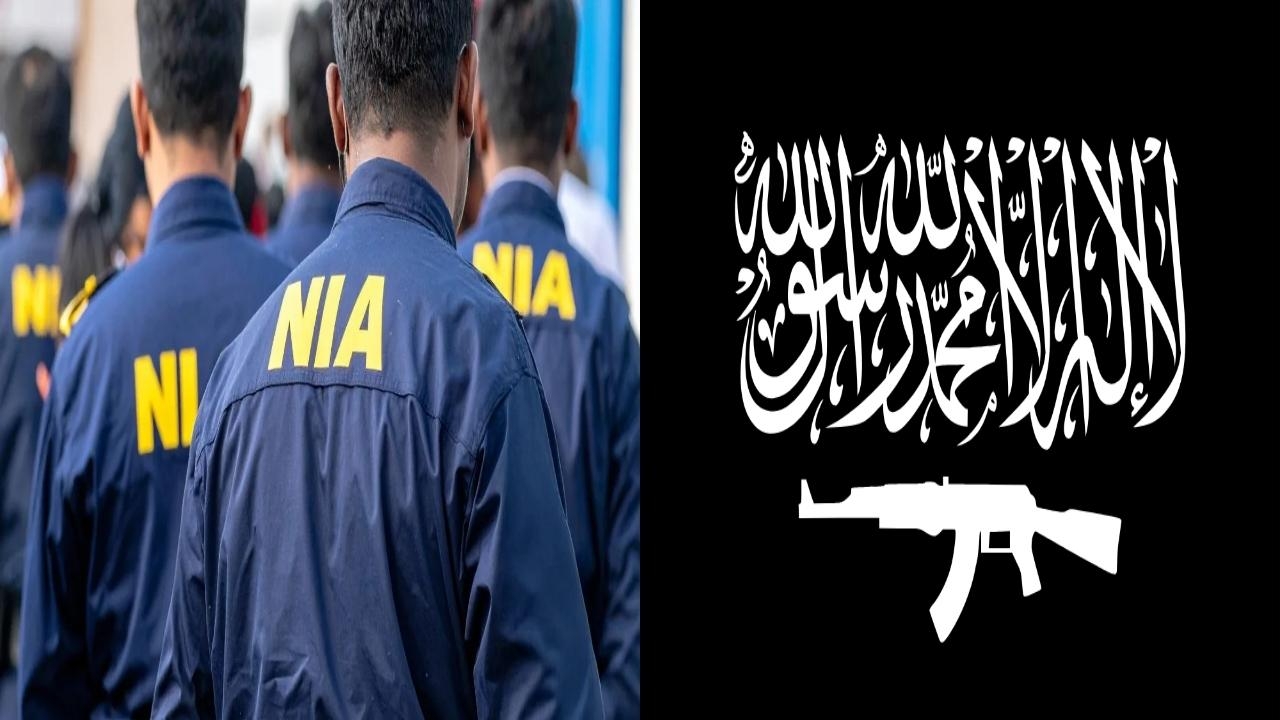
On November 10, 2025, a deadly blast near Delhi's Red Fort killed 11 people, prompting an NIA probe that has now led to two fresh arrests in February 2026, uncovering alleged links to AGH and a wider terror conspiracy.
On 10 November 2025, a powerful blast occurred near the Red Fort area in New Delhi. This was not just any accident; it was treated as a terrorist attack, which killed 11 people and injured several others. The explosion happened around a vehicle that was filled with explosives and detonated near the historic site.
After this explosion, the National Investigation Agency (NIA) took over the investigation because the incident showed clear signs of terrorism and required a national-level counter-terror probe.
The NIA has arrested 2 additional suspects in connection with the Red Fort blast case. These arrests were made recently at the end of February 2026 and come on top of earlier arrests. The names and places of the newly arrested individuals include Zameer Ahmad Ahangar from Ganderbal, Jammu & Kashmir, and Tufail Ahmad Bhat from Srinagar, J&K.
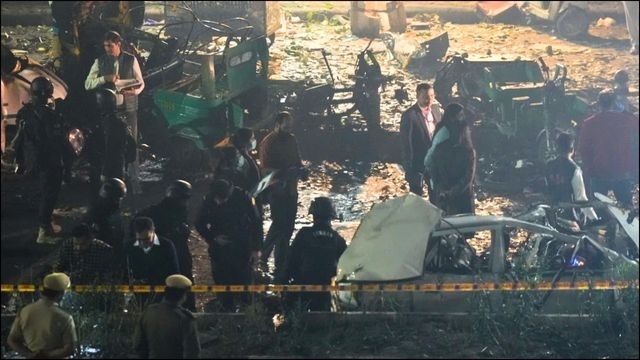
These two are believed to have been actively involved in the conspiracy behind the blast. According to the NIA's statements, Zameer and Tufail were "overground workers" (OGWs), which means they helped in the support network, such as logistics, weapons distribution, shelter or planning. Investigators have also indicated that they were linked to other terror-related conspiracies as well.
Evidence so far indicates they supplied weapons and ammunition used in the terror plan. The NIA believes they were associated with a terror outfit called Ansar Ghazwat-ul-Hind (AGH) and were allegedly collecting arms for use against the Indian state. Earlier today, the Delhi-Patiala House Court has sent two accused in the Delhi blast case, Tufail Ahmed Bhat and Zamir Ahmed Ahangar, to 10 days of custody with the National Investigation Agency (NIA) for further interrogation.
With these two arrests, the total number of people taken into custody in this case has now reached 11. Earlier arrests included several others suspected of being part of the conspiracy, some of whom were arrested in Jammu & Kashmir and Haryana.
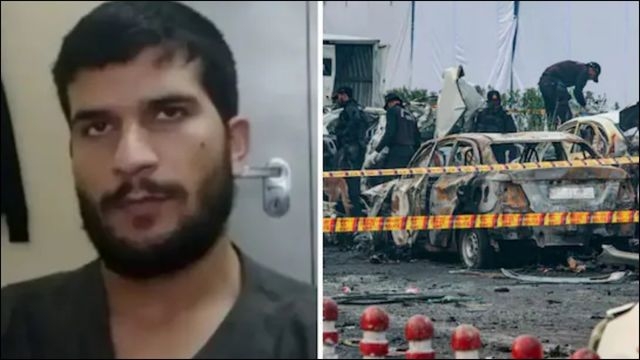
The prime accused in the Red Fort blast was the mastermind, Umar-un-Nabi, who died in the explosion. The NIA's ongoing probe is aimed at mapping the full extent of the terror conspiracy, identifying all participants, and understanding the network behind the attack.
Such terror modules are rarely focused on just carrying out one explosion. Their primary and larger goal is to spread fear among ordinary citizens, shake public confidence, and send a message that even important and symbolic places are not beyond their reach. When a site like the Red Fort is targeted, it is not only a physical attack on a monument but also an attempt to strike at the emotional and historical identity of the nation. The idea is to create a psychological impact and make people feel insecure.
Security experts explain that these networks usually think of long-term harm to India. Their strategy often includes gradual radicalisation, building support systems, collecting arms, and activating sleeper cells over time. That is why such incidents are not seen as isolated acts of violence but as parts of a broader terror ecosystem aimed at creating sustained instability rather than just a single moment of shock.
Report by

Mokshi Jain
Sub-editor, The Narrative