20 Community-Led Actions Against Evangelical Conversion Activities
From Chhattisgarh to Tamil Nadu, Gram Sabhas, Mahapanchayats and tribal bodies invoke legal, administrative and community mechanisms to counter alleged Evangelical conversion activities.
Total Views |


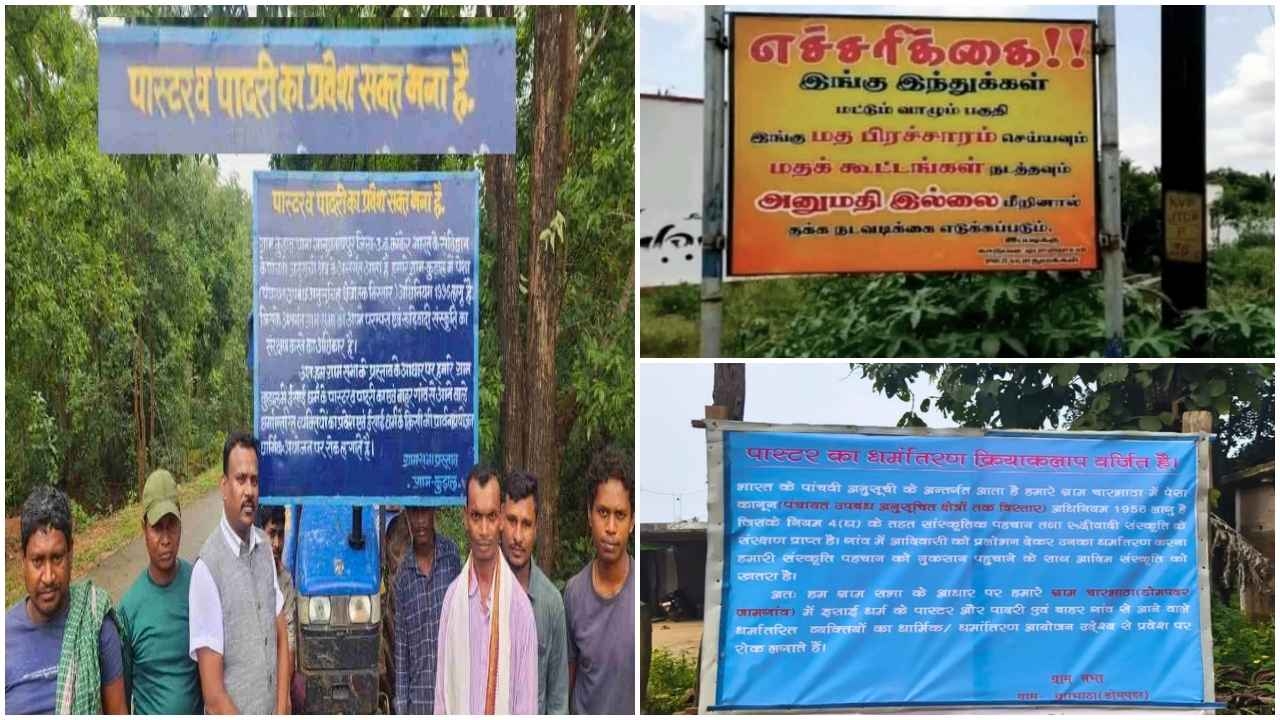
In a significant development, the Supreme Court of India dismissed a plea challenging hoardings installed by Gram Sabhas in tribal villages of Kanker district, Chhattisgarh, which barred the entry of Christian pastors and converts. The decision effectively upheld the earlier ruling of the Chhattisgarh High Court, allowing the restrictions to remain in force.
The Gram Sabhas asserted that the hoardings were necessary to prevent religious conversion activities and to safeguard tribal customs, traditions and social cohesion. With judicial endorsement at two levels, the matter has acquired national significance, highlighting the intersection of community autonomy and legal validation.
A Nationwide Pattern of Community Assertion
Between 2018 and 2026, at least twenty documented instances across multiple states reveal a consistent pattern: village assemblies, tribal collectives and socio-religious organisations mobilising against what they describe as Evangelical conversion drives.
Chhattisgarh: Tribal Resistance Intensifies
Beyond Kanker, similar actions were recorded in Bastar and Gariaband districts. Gram Sabhas in Jagdalpur passed resolutions imposing social boycott and fines on families that convert. In Darbha, Bastar, villagers obstructed the burial of a converted Christian family, citing the preservation of traditional rites.
In Rajim, Gariaband district, protests were organised against alleged missionary activities, with villagers demanding that outsiders vacate the area.
Uttar Pradesh: Organised Mobilisation
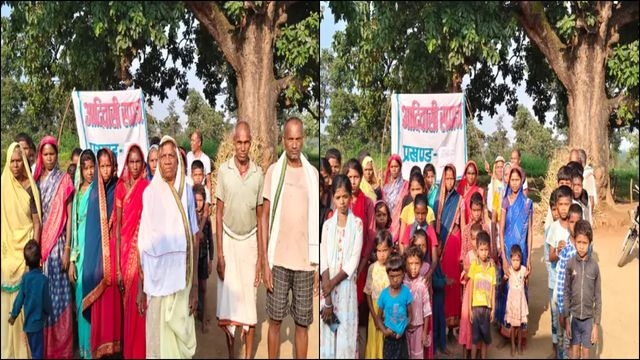
In Sonbhadra district, members of the Vanvasi Gond tribal community staged protests against suspected missionary inducements. In Mathura, local groups intervened in prayer meetings where Bibles were reportedly distributed, alleging conversion intent.
Tamil Nadu: Intervention by Civil Groups
Multiple incidents in Trichy, Madurai, Theni, Perambalur and Coimbatore involved members of Hindu Munnani confronting missionaries accused of distributing pamphlets, conducting prayer meetings or organising religious classes for children.
In several cases, police complaints were filed, preachers were briefly detained and religious materials were seized. Warning boards against religious preaching were also installed in certain villages.
Odisha and Gujarat: Memorandums and Detentions
In Keonjhar district, Odisha, seven preachers were detained following tensions during Ram Navami celebrations, after locals accused missionaries of offering inducements.
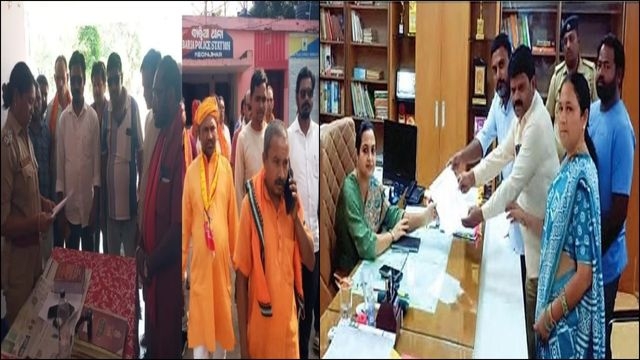
In Dang district, Gujarat, tribal representatives submitted memorandums to district authorities demanding administrative intervention against alleged conversion activities.
Haryana and Maharashtra: Panchayats and Rallies
In Tikli village, Gurugram, a Mahapanchayat representing 18 villages opposed the construction of a church and formed a 51-member committee to petition district authorities.
In Maharashtra, tribal rallies in Nashik and Pune demanded the delisting of religious converts from Scheduled Tribe benefits, arguing that tribal identity should remain anchored to indigenous traditions.
Andhra Pradesh: "Hindu-Only" Declarations
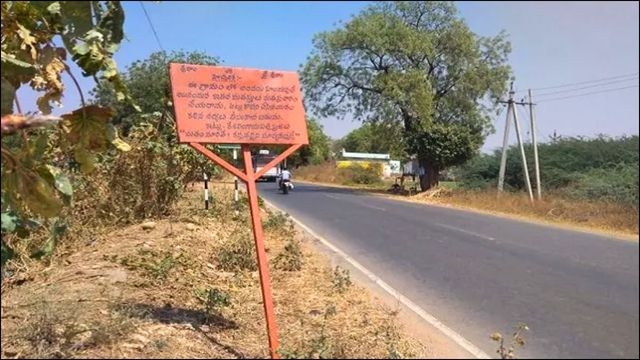
Villages in Kurnool and Kadapa districts adopted assertive resolutions. In Kesalingayapalli, villagers installed saffron boards declaring the village a "Hindu-only" zone. In Gurujala, Kurnool district, the Gram Sabha demanded the removal of an alleged unauthorised church and raised concerns about possible foreign funding links.
Legal and Administrative Dimensions
A notable feature of these incidents is that they did not remain confined to street-level protests or symbolic demonstrations but gradually moved into formal administrative and judicial domains. In several cases, villagers and community organisations filed FIRs and police complaints, submitted memorandums to district collectors and passed Gram Sabha resolutions invoking constitutional provisions relating to local self-governance and the protection of tribal customs.
The matter in Chhattisgarh eventually reached the higher judiciary. The Chhattisgarh High Court upheld the validity of the Gram Sabha hoardings, and in February 2026, the Supreme Court of India declined to interfere with that judgment. The apex court's refusal to entertain the challenge marked a significant moment, as it effectively allowed the continuation of restrictions imposed by local self-governing bodies within their notified jurisdictions under the prevailing legal framework.
Cultural Continuity as the Core Argument
Across states and incidents, tribal and rural communities frame their opposition not merely as religious resistance, but as a defence of:
- Cultural identity
- Indigenous traditions
- Community cohesion
- Customary practices
- Social structure
Villagers frequently allege inducements, material incentives or misleading representations during prayer meetings. Whether or not such claims withstand judicial scrutiny in each individual case, the perception of threat has catalysed collective mobilisation.
Written by

Kewali Kabir Jain
Journalism Student, Makhanlal Chaturvedi National University of Journalism and Communication