From Red Zones to the Assembly Floor: Historic Democratic Outreach in Chhattisgarh
For the first time, surrendered Naxalites witnessed live proceedings of the Chhattisgarh Legislative Assembly during the budget session, marking a strategic shift from counter-insurgency to rehabilitation and democratic reintegration.
Total Views |


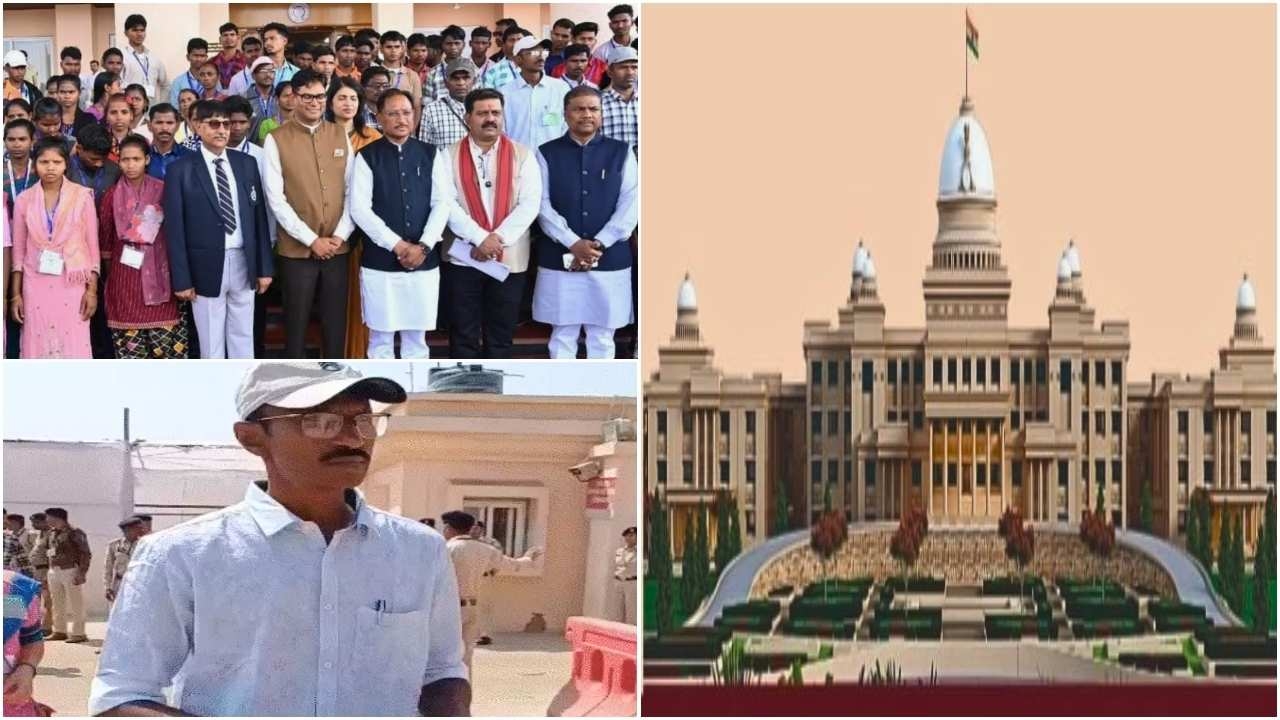
For the first time, surrendered Naxalites, former Maoists who laid down arms and returned to the mainstream, were invited to witness a session of the Chhattisgarh Legislative Assembly in Raipur during its ongoing budget and question hour proceedings.
The initiative is intended to symbolise the rehabilitation and reintegration of former Naxals into society and to demonstrate how democratic processes function, particularly governance debates and policy formulation inside the Assembly.
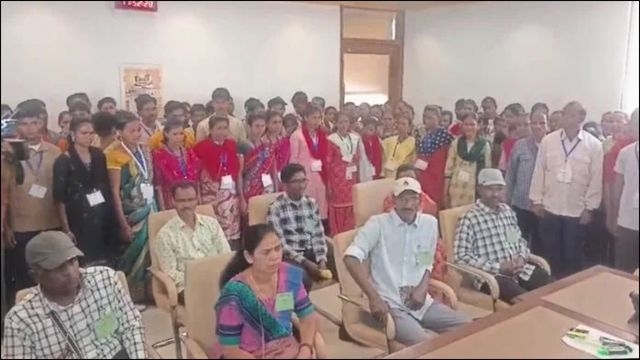
Prior to attending the session, the surrendered Naxalites were hosted at the official residence of Deputy Chief Minister Vijay Sharma. They were welcomed and engaged in discussions about their experiences in Raipur. The event is being viewed as more than a symbolic gesture, as it illustrates a shift from purely counter-insurgency operations towards rehabilitation and mainstream inclusion of former insurgents. It is also aimed at encouraging more Naxals to surrender and abandon violent activities, while helping communities and former extremists better understand democratic institutions and participatory governance.
This initiative fits within the broader framework of policy measures undertaken by the Government of Chhattisgarh to reduce Naxal violence and promote peace and development in areas historically affected by insurgency, particularly Bastar and surrounding regions.
What Happened Inside the Assembly
During the Assembly's question hour and subsequent proceedings, Members of the Legislative Assembly across parties raised several questions with various ministers concerning everyday governance issues. These included agricultural schemes, budgetary allocations, infrastructure development, illegal dumping, hostel facilities in Bastar, and other public welfare matters.
The questions were addressed to ministers, including those responsible for finance and agriculture, as part of the legislature's regular accountability mechanism. Meanwhile, the surrendered Naxal observers witnessed the proceedings first-hand. They were able to observe how elected representatives are held accountable, how policy is scrutinised, and how democratic debate unfolds within an institutional framework.
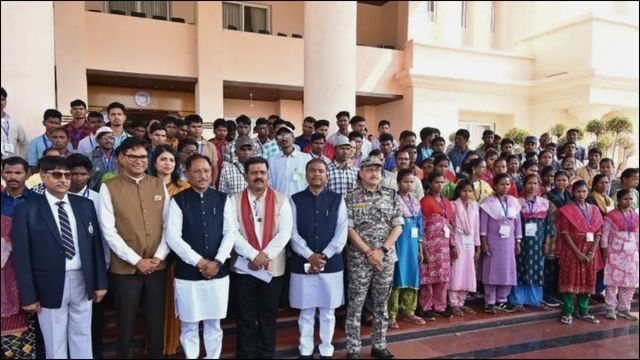
The state government has consistently highlighted its efforts against Naxalism, including security operations, surrender policies, rehabilitation initiatives, and socio-economic development programmes. The ongoing budget session, where state priorities such as governance, security, employment, infrastructure, and anti-Naxal measures are debated publicly, provided a structured setting for this exposure. In recent months, several Naxal cadres have reportedly surrendered, and ministers have stated that the insurgency in the state is approaching its final phase.
Historically, the Maoist or Naxal insurgency has represented one of Bharat's longest-standing internal security challenges. Several areas of Chhattisgarh, particularly Bastar, were once regarded as red zones with deeply entrenched insurgent networks.
In recent years, the government's strategy combining sustained security pressure with surrender incentives and rehabilitation support has reportedly led to significant numbers of Naxal cadres laying down arms and re-entering mainstream life. Allowing these former extremists to witness democratic processes within the state legislature signals a transformative approach that prioritises reintegration alongside enforcement.
The presence of surrendered Naxalites inside the Chhattisgarh Legislative Assembly therefore represents more than a symbolic moment. It reflects an evolving governance strategy that integrates security measures with structured rehabilitation and institutional inclusion. By exposing former insurgents to legislative debate, accountability mechanisms, and public policy deliberations, the state signals confidence in democratic transformation as a long-term solution to prolonged conflict.
As Bastar and other historically affected regions transition from insurgency narratives to development discourse, such initiatives underline a broader objective, replacing alienation with participation. If sustained through credible rehabilitation policies and continued socio-economic outreach, this approach could mark a decisive phase in the long battle against Naxalism in Chhattisgarh and India.
Written by

Mokshi Jain
Sub-editor, The Narrative