DMK's Bulldozer Raj: Temples Under Attack Across Tamil Nadu
Is the DMK government selectively targeting Hindu places of worship under the guise of encroachment and development?
Total Views |


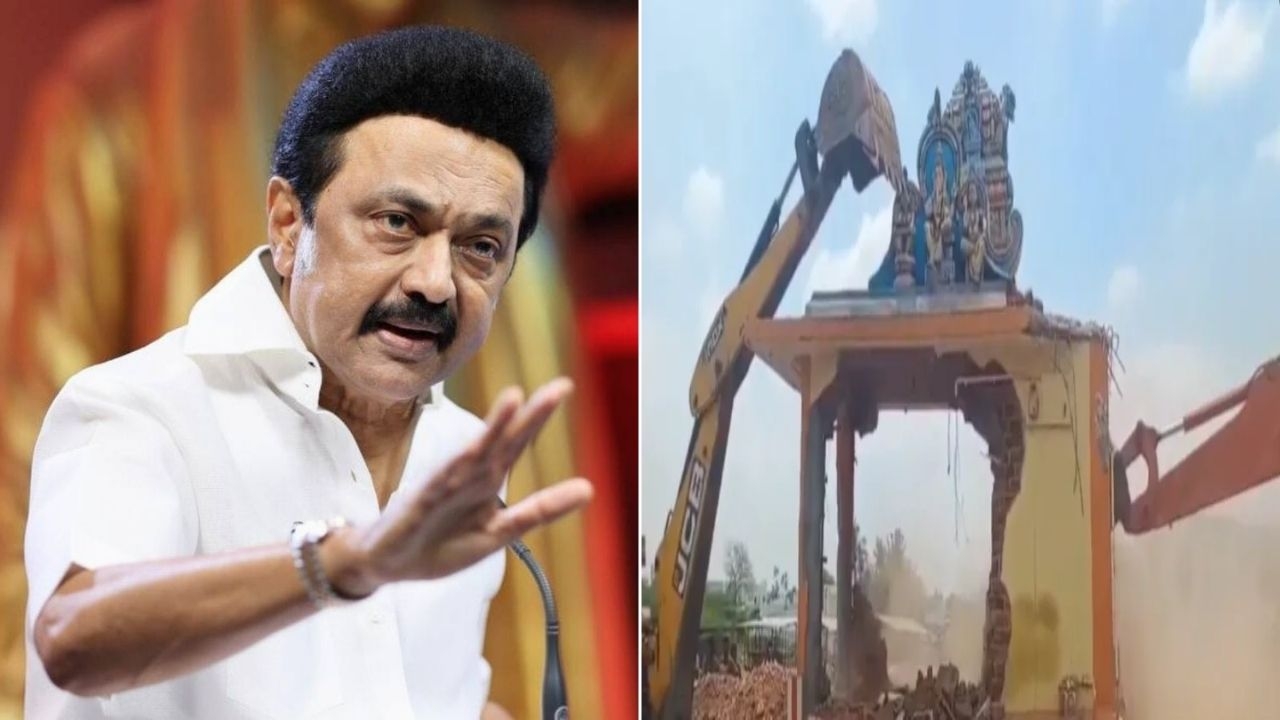
The recent demolition of the ancient Vinayagar Temple in Tirunelveli on 10 March 2026 has once again exposed what critics describe as a sustained assault on Hindu sacred spaces under the DMK-led Tamil Nadu government. The demolition, carried out with a heavy police presence amid cries of anguish from devotees, was justified on the grounds of "encroachment". However, it forms part of a wider pattern in which hundreds of temples have reportedly been targeted since 2018.
This ongoing campaign, frequently justified under pretexts such as infrastructure development, removal of encroachments, or environmental concerns, raises serious questions about selective enforcement, alleged religious bias, and the erosion of Hindu spiritual autonomy in a region historically known for its temples.
A comprehensive review of incidents between 2018 and 2026 identifies at least 16 documented cases in which Hindu temples faced demolition, administrative intervention, or restrictions on traditional practices. These actions have triggered protests, drawn strong reactions from Hindu organisations such as Hindu Munnani, and led to allegations of disproportionate targeting of Hindu structures while encroachments linked to other religious communities are perceived to remain largely unaddressed.
1. 10 March 2026 – Vinayagar Temple, Tirunelveli
10/03/26 #நெல்லையில் பிள்ளையார் #கோவில் #இடிப்பு திமுக அரசின் அட்டூழியம்*
— 𝘿𝙐𝙍𝘼𝙄 𝘽𝘼𝘽𝙐 𝙎𝙐𝘽𝙍𝘼𝙈𝘼𝙉𝙄𝙔𝘼𝙈 (@duraisubramani) March 10, 2026
நெல்லை மாவட்டம் சுத்தமல்லி விலக்கு அருகில் இருந்த பிள்ளையார் கோவிலை பொதுமக்கள் பக்தர்கள் #எதிர்ப்பையும் மீறி இன்று இடித்து தள்ளிய #தமிழகஅரசு @BJP4India @BJP4TamilNadu @drpraveen_74 pic.twitter.com/qyVVZzgoRi
Authorities demolished the shrine in Siddamalli village despite strong objections from local residents and devotees. The operation involved revenue officials and police personnel, sparking immediate protests and political controversy. Critics described the move as an example of administrative high-handedness that disregarded religious sentiments.
2. 7 January 2026 – Selvamuthu Kumarasamy (Murugan) Temple, Tiruppur
The Kumaran Kundru Arulmigu Sri Selvamuthu Kumaraswamy Temple in Rakkiyapatti village was demolished under court orders for alleged encroachment on government land. A large police deployment was used to control protests by residents and members of Hindu Munnani, reinforcing claims of selective enforcement.
3. 18 July 2025 – Arunachaleswarar Temple, Tiruvannamalai
The government doubled the special darshan fee from ₹50 to ₹100 and increased abhishekam charges from ₹2,500 to ₹5,000, alongside announcing a ₹200 crore masterplan. Devotees criticised the fee hike as excessive and raised concerns about the commercialisation of sacred institutions.
4. 7 July 2025 – Veda Vinayagar Temple, Chennai
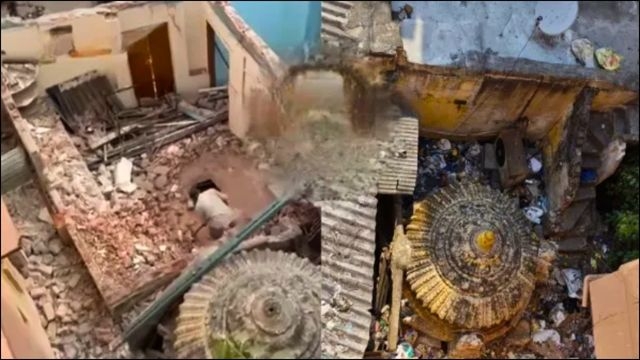
This century-old temple on Mint Street was demolished overnight. The action led to the arrest of Hindu Munnani leaders who protested against the demolition. Allegations emerged that more than 250 temples have been demolished under the current administration, with critics highlighting unequal treatment of religious structures.
5. 22 April 2024 – Nagathamman Temple, Maduravoyal, Chennai
A temple believed to be nearly 50 years old was demolished on the grounds of encroachment on private land. More than 100 police personnel were deployed during the operation. Local devotees and Hindu organisations expressed grief and condemned what they viewed as insensitive administrative action.
6. 19 August 2024 – Local Hindu Temple, Villupuram District
Authorities removed a temple citing encroachment on government land. Hindu Munnani alleged that the action reflected targeted bias against Hindu places of worship.
7. 24 October 2024 – Sakthi Vinayagar Temple, Pollachi and Kalyana Vinayagar Temple, Madurai
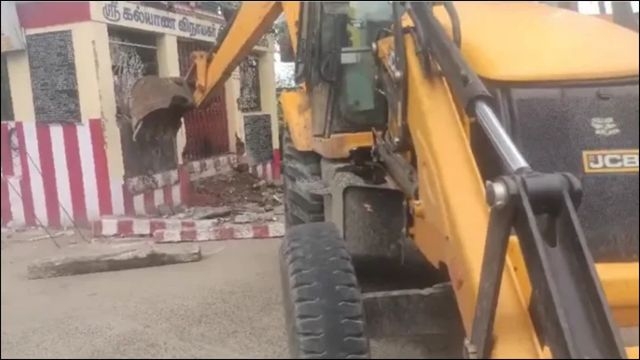
Demolitions were carried out despite protests. One of the actions was linked to infrastructure development under the Amrit Bharat Scheme, which included flyover construction. The incidents fuelled anger over what was perceived as disregard for religious heritage.
8. 25 December 2024 – Ayyappaswamy Puja, Telangana
Police intervened in an ongoing puja citing noise complaints on Christmas Day. Officers reportedly entered the premises wearing shoes and disrupted rituals, drawing criticism for disrespect towards Hindu traditions.
9. 16 December 2024 – Sangeetha Bhakti Ratha Yatra Chariot, Chennai
Police detained the chariot organised by Sangeetha Gnanamu and halted its procession. The move raised concerns regarding restrictions on devotional activities.
10. 12 December 2024 – Kapaleeswarar Temple, Chennai
The Kapaleeswarar temple at Mylapore has banned lighting lamps on steps of its 'thirukulam' (tank) to prevent pollution, based on direction from the office of the HR & CE commissioner. #NEWS pic.twitter.com/LUilmI8Am5
— Chennai Live Digital 104.8 (@chennailive1048) December 9, 2024
Authorities prohibited the lighting of lamps on the temple tank steps during Thirukarthigai, citing environmental concerns related to aquatic life. Devotees criticised the decision as interference in long-standing religious customs.
11. 27 February 2023 – Mandaikadu Bhagavathy Amman Temple
An 89-year-old religious conference organised by the Haindava Seva Sangham, a tradition since 1936, was interrupted by HR&CE officials on the grounds that private functions were not permitted within the temple premises.
12. 19 January 2023 – Sri Rangaraja Perumal Temple, Srirangam
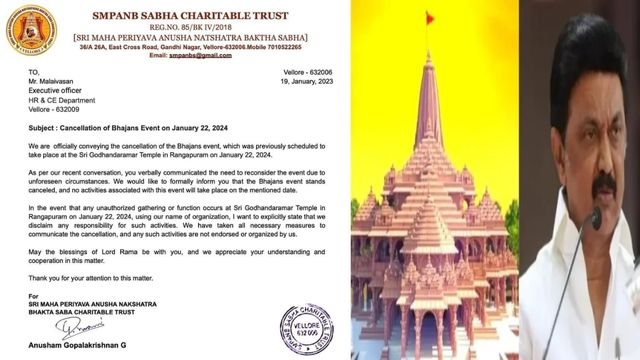
Restrictions were imposed on special pujas, Ramayana recitations, chants of "Jai Shri Ram", bhajans, and anna dhan activities on the day of the Ram Temple Pran Pratishtha. Critics viewed these measures as deliberate suppression of religious expression.
13. 7 July 2022 – Vilayatu Mariamman Temple, Coimbatore
Police removed cone speakers during a temple festival following complaints from local residents, thereby restricting the broadcast of devotional music.
14. 10 January 2022 – Sri Narasimha Anjaneyar Swamy Temple, Chennai
The temple located in Varadharajapuram was demolished due to alleged illegal construction on the Adyar riverbed. Videos of the demolition circulated widely, intensifying public concern and emotional response.
15. 20 June 2019 – Ancient Temples in Madurai
Villagers protested against attempts by the HR&CE department to take control of temples including Sri Meenakshi Sundareswarar, Sri Kallazhagar, and Sri Palamuthircholai Murugan, which had been managed by local communities for nearly 500 years.
16. 19 March 2018 – Ram Rajya Rath Yatra, Tamil Nadu
More than 300 individuals were arrested during protests linked to the VHP-backed procession. Opposition from DMK and allied groups contributed to heightened communal tensions.
Furthermore, it is alleged that more than 250 temples have been demolished since the DMK came to power in 2021. These actions are often carried out with significant police presence and are perceived by critics as being undertaken with limited consideration for the sentiments of devotees.
While authorities frequently cite encroachment removal and development needs as justification, critics argue that the emerging pattern reflects ideological hostility rooted in the Dravidian movement's historical stance towards Hindu traditions. They also contend that comparable violations involving structures of other religious communities are not addressed with similar urgency, raising concerns about discriminatory governance.
Protests, detentions, and political backlash have become recurring features of such incidents. Despite this, the state administration continues to pursue these actions, sustaining an ongoing and contentious debate over religious rights, governance, and cultural heritage in Tamil Nadu.
Written by

Kewali Kabir Jain
Journalism Student, Makhanlal Chaturvedi National University of Journalism and Communication