Global Terror Data vs Narrative: Does "Terror Has No Religion" Tell the Full Story?
Does the widely accepted "terror has no religion" narrative ignore important evidence seen in repeated global terror trends and group activity?
Total Views |


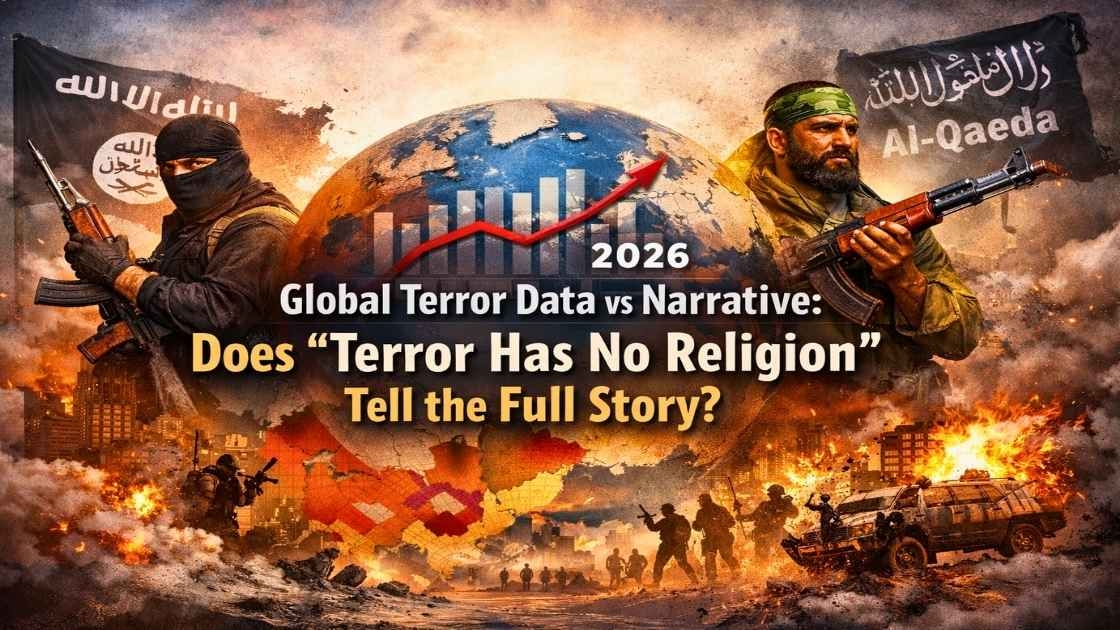
The 2026 Global Terrorism Index has sparked a debate around the world. The numbers in the report tell us a story. This story shows that Global Terror is not the same. It seems to be more common in some areas. Is linked to certain patterns. This makes us wonder if people are looking at the picture.
One thing that stands out in the report is that Global Terror is not spread out evenly. Many countries are not really affected, while some areas are hit hard.
Places like the Sahel region in Africa, Afghanistan and Pakistan are often in the news for global terror. This suggests that Global Terror is not a threat everywhere but is more common in areas with a lot of conflict and weak governments.
The Groups Behind the Violence
The report also shows that some groups are responsible for most of the violence. These groups include ISIS, Al-Qaeda and Tehrik-e-Taliban Pakistan.
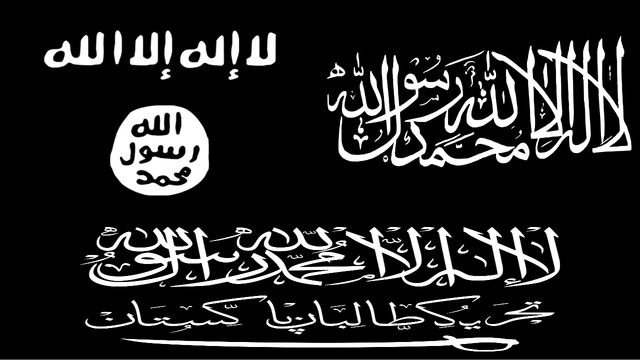
Even though these groups are in different areas, they seem to have similar ideas. This makes us ask if people are talking about this enough or if they are avoiding it.
"Terror Has No Religion" – Narrative vs Reality
Around the world, people agree that global terror should not be linked to any religion. This is because most people who follow any religion are peaceful.
When we see the same patterns over and over, it makes us think. Are we looking at the picture or are we making it simpler so we do not have to deal with uncomfortable truths?
Some people think that ignoring patterns makes it hard to really understand what is going on. Others think that making statements can lead to division and prejudice. This is a balance that shapes what people talk about around the world.
At the time it is not right to look at global terror from just one perspective. It is usually caused by things.
Things like politics, money problems, long conflicts and groups that promote ideas all play a role. These things often overlap, creating an environment where extremist groups can grow.
This means that saying Global Terror is about ideas or just about money does not show the whole picture.
In today’s world global terror has not just fought on the ground; it has also shaped what people say and think. How incidents are and what is highlighted or left out can influence what people think because the stories we tell matter. How we frame events can shape what people think as much as the events themselves. That is why it is important to balance facts with interpretation.
The 2026 Global Terrorism Index reminds us that global terror is not simple. It is linked to things like where it happens, what people think, politics and what people perceive.
Written by

Mokshi Jain
Sub-editor, The Narrative