FCRA: Between Foreign Funds and National Security
From missionary funding concerns to regulatory tightening, the FCRA reflects India’s attempt to control foreign influence while maintaining development and civil society operations.
Total Views |


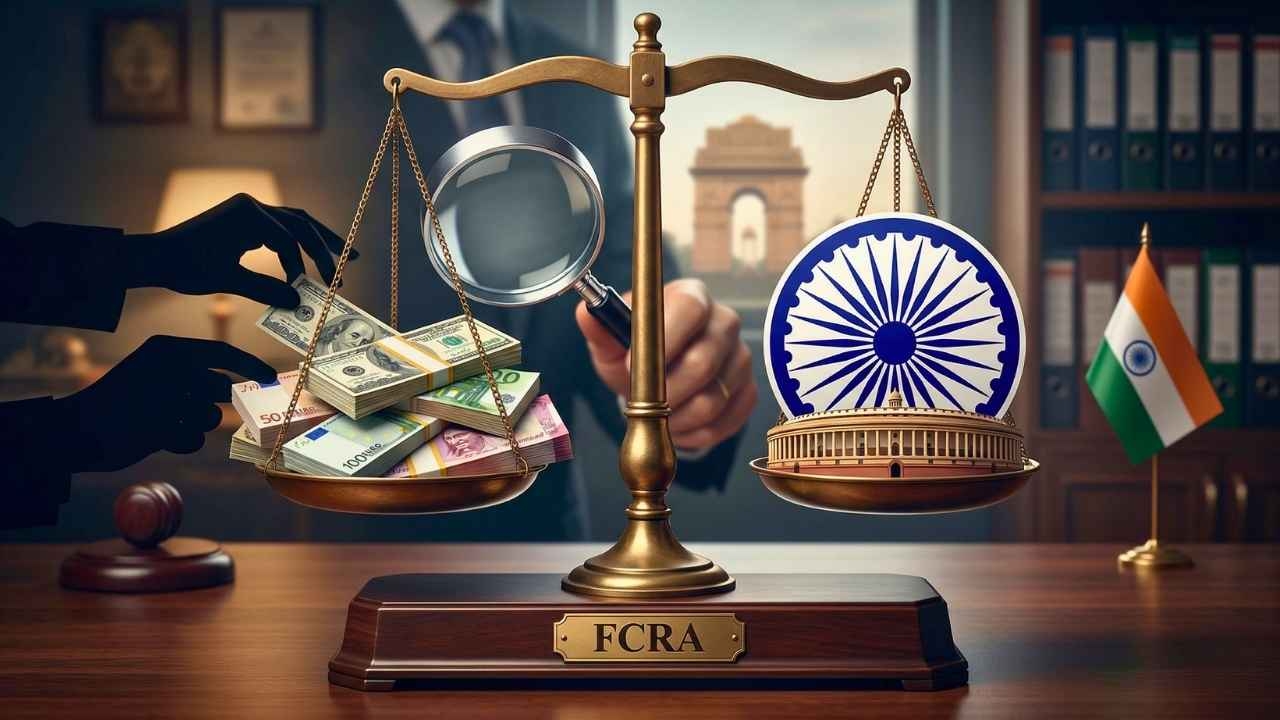
The Foreign Contribution Regulation Act (FCRA) once again came into focus during the final days of the parliamentary session. Missionary organisations exerted considerable pressure on the Central Government, both directly and indirectly, inside and outside the House. The Kerala elections further heightened the sensitivity around foreign funding and its intersection with religious and political dynamics, particularly in constituencies with significant Christian populations.
The FCRA is not a new law. It was first enacted in 1976 with the objective of regulating foreign donations, particularly to prevent their misuse in political activities. The Act applied to individuals, associations, and political parties. Over time, it has undergone several amendments. In 2010, a revised version of the FCRA was introduced and came into force in 2011, replacing the 1976 Act. This version introduced stricter registration requirements, capped administrative expenses at 50%, prohibited the transfer of foreign contributions to unregistered entities, and mandated detailed reporting.
The Act was further amended in 2020 with the objective of ensuring the effective utilisation of funds for their stated purposes. The amendment reduced the administrative expense cap from 50% to 20%, prohibited sub-granting of foreign funds, required Aadhaar identification for office-bearers, and mandated the opening of a designated FCRA account in the State Bank of India, New Delhi. The proposed amendment Bill of 2026 now seeks to strengthen the oversight of foreign contributions, with a focus on compliance and transparency.
Between 2010 and 2014, the average annual FCRA fund flow to India was approximately ₹11,000 crore. From 2015 to 2020, this increased to around ₹16,000 crore per year. However, during this period, the Central Government carried out strict scrutiny of FCRA-registered organisations and their utilisation of funds. As a result, nearly 19,000 NGOs had their registrations cancelled or were not renewed. The highest number of cancellations occurred between 2014 and 2017, with over 14,000 NGOs losing their registrations. The primary reasons cited were the non-filing of annual returns and failure to comply with the provisions of the 2010 Act. In the following two years, cancellations declined to about 4,000, largely due to allegations of fund misuse and continued non-compliance. In 2025, at least 500 such cancellations were reported due to non-compliance.
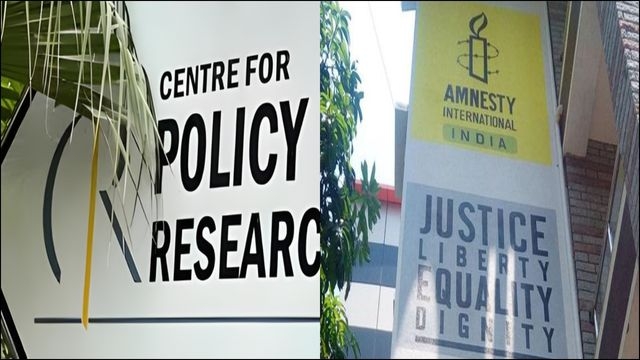
During this period, several prominent NGOs faced the consequences of the Act. World Vision India (WVI) lost its registration over alleged violations of compliance norms. Centre for Policy Research (CPR) came under scrutiny for its foreign funding in policy advocacy. Amnesty International India was accused of violating FCRA rules and misreporting foreign inflows. Greenpeace India, engaged in environmental activism, was alleged to have misused foreign funds and carried out activities deemed to be against the national interest.
Despite these cancellations, foreign inflows continued to rise. In 2024–25, India received approximately ₹20,000 crore in foreign contributions. Of this, nearly 12% was utilised by tribal-focused NGOs, while around 15% was directed towards rural development initiatives. However, serious allegations persist against missionary-administered NGOs, with claims that some are involved in religious conversion activities using foreign funds. Additionally, several NGOs working under the banner of environmental protection and policy intervention have been accused of acting against the national interest, allegedly under the influence of external forces.
The Amendment Bill of 2026 is designed to ensure greater transparency and the effective management of assets created through foreign donations. It seeks to ensure that such assets do not fall into the wrong hands or become misused over time. The Bill emphasises that funds must be properly utilised for their stated purposes and within stipulated timeframes. Through this regulatory framework, the government aims to strengthen the economy while simultaneously enhancing internal security.
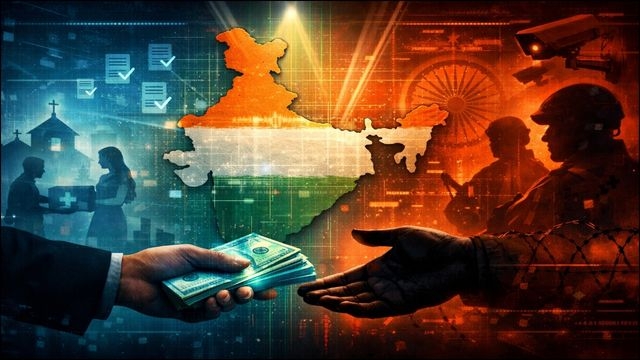
World Vision India, India Rural Evangelical Fellowship (IREF), and at least half a dozen other missionary NGOs have been alleged to engage in religious conversion activities while receiving foreign funds under the FCRA. Their registrations have either been cancelled, placed under strict scrutiny, or suspended as part of the government’s regulatory actions.
The Amendment Bill of 2026 is designed to ensure greater transparency and the effective management of assets created through foreign donations. It seeks to ensure that such assets do not fall into the wrong hands or become misused over time. The Bill emphasises that funds must be properly utilised for their stated purposes and within stipulated timeframes. Through this regulatory framework, the government aims to strengthen the economy while simultaneously enhancing internal security.
Article by

Dr. Shine P Sasidhar
The author is an advocate in the Supreme Court of India, a techno-legal expert, and an activist.