A Pattern of Concern: Examining 22 Incidents at Aligarh Muslim University
Eight years of reported cases involving security lapses, political mobilisation, and communal disputes highlight deeper concerns about oversight and institutional response at Aligarh Muslim University.
Total Views |


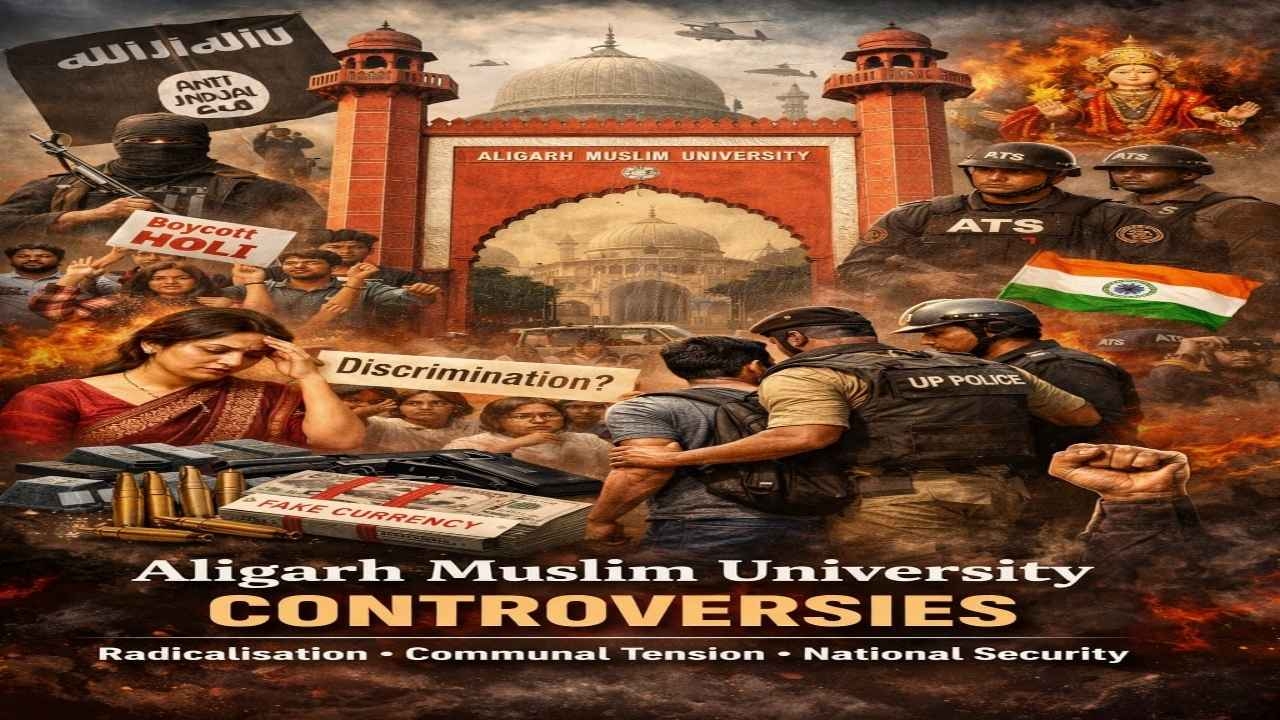
In recent years, Aligarh Muslim University (AMU) has repeatedly surfaced in public discourse over a series of incidents that raise questions about the campus environment, governance, and ideological influences. The latest development on 9 April 2026 has once again brought the institution into focus, prompting renewed scrutiny.
Triggering Incident: April 2026 Raid
In a joint operation conducted by university security and Uttar Pradesh Police, a room in Sir Ziauddin Hall was raided. Authorities recovered .32 bore cartridges, 12-bore ammunition, suspected counterfeit currency, multiple mobile phones, and other materials from a room allegedly occupied by a former non-resident student without authorisation.
The police have reportedly linked the findings to a recent Civil Lines firing case, and an investigation is ongoing. One individual associated with the room has been detained for questioning.
This incident serves as the starting point for a broader examination of 22 documented cases between 2018 and 2026, categorised into:
- Anti-national activities (2018–2026)
- Anti-Hindu incidents (2020–2026)
Part I: Allegations of Anti-National Activities
A review of incidents from 2018 onwards reveals recurring allegations involving extremist links, provocative slogans, and controversial expressions of political solidarity.
Terror Link Allegations (2023):
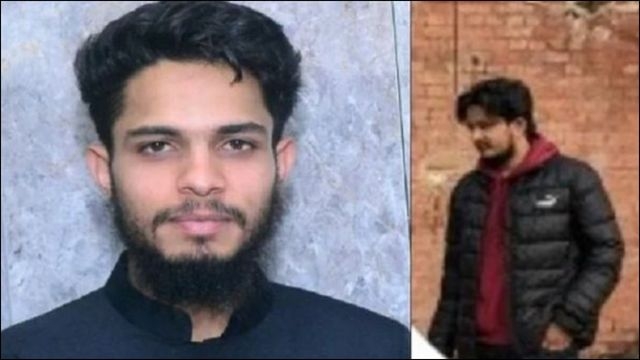
Multiple cases involved students allegedly connected with extremist organisations such as ISIS. Investigations by agencies like the National Investigation Agency (NIA) and the Uttar Pradesh Anti-Terrorism Squad pointed towards radicalisation efforts, online propaganda dissemination, and recruitment attempts.
Social Media Radicalism (2020–2024):
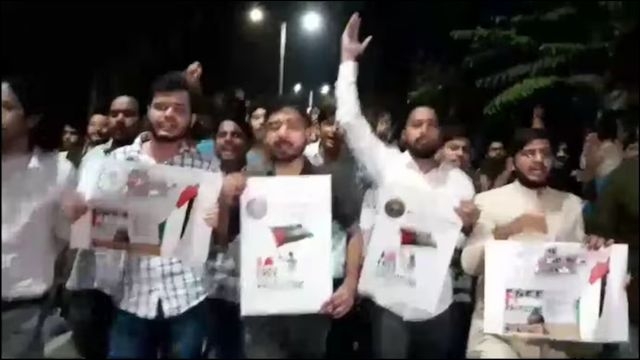
Several students were booked for posts perceived as pro-Pakistan or anti-India, including statements expressing allegiance to foreign nations or endorsing extremist narratives.
Campus Mobilisation and Protests (2019–2023):
Protests, including those during the Citizenship Amendment Act protests and demonstrations related to international conflicts, led to FIRs citing public disorder, unlawful assembly, and promotion of enmity.
Sedition and Sloganeering Cases (2018–2019):
Incidents involving alleged anti-India slogans and controversial gatherings resulted in sedition charges against students and scholars.
Part II: Allegations of Anti-Hindu Incidents
The second category highlights religious tensions and allegations of discrimination, pointing towards a complex socio-cultural dynamic within the campus.
Allegations of Discrimination (2024–2026):
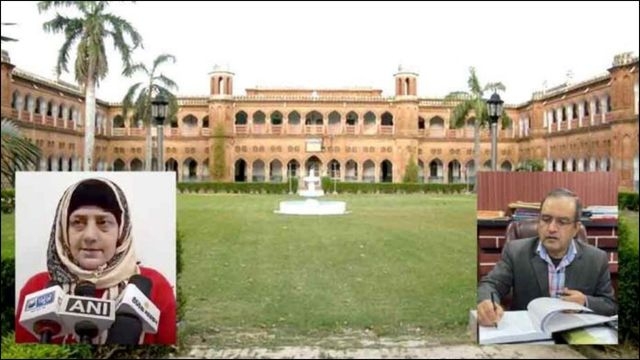
Complaints by Hindu students and faculty include academic bias, workplace harassment, and denial of opportunities, with some cases under institutional inquiry.
Restrictions on Religious Expression (2024–2025):
Denial of permission for events such as Holi celebrations, along with reported opposition to such events, has been cited as an example of perceived asymmetry in cultural accommodation.
Communal Clashes and Harassment:
Incidents of physical altercations, abusive remarks, and threats based on religious identity have been reported, with disciplinary or legal action taken in several cases.
Derogatory Content and Speech:
Cases involving offensive remarks against Hindu beliefs, deities, and organisations, both online and in academic settings, have triggered FIRs and administrative responses.
Symbolic and Ideological Assertions:
Slogans and posters interpreted as religiously exclusivist or provocative have contributed to tensions and raised concerns about campus inclusivity.
These incidents collectively suggest heightened communal sensitivity, alongside competing narratives around freedom of expression, institutional neutrality, and minority-majority dynamics. Taken together, these events point towards visible fault lines within a major educational institution, as well as concerns regarding the possible acceleration of radical ideological influences within such a prominent university.
Written by
Kewali Kabir Jain
Journalism Student, Makhanlal Chaturvedi National University of Journalism and Communication