How Surrendered Naxals Are Being Reintegrated into Bharat's Development Story
Structured rehabilitation initiatives are turning former Maoists into wage earners, reducing violence while strengthening trust in governance and public institutions.
Total Views |


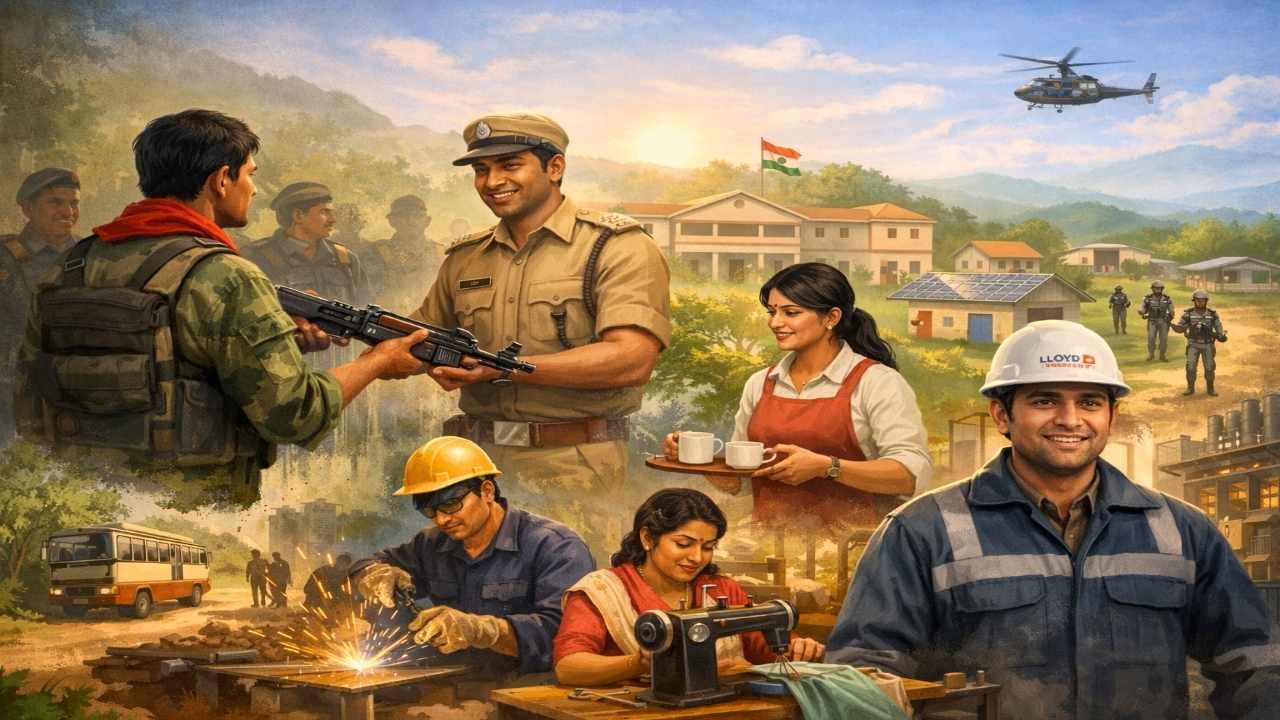
On 30 March 2026, Union Home Minister Amit Shah informed the Lok Sabha that Maoism in Bharat is nearing its end. He noted that Bastar, once a stronghold of Left-Wing Extremism, is steadily moving towards development. He highlighted the expansion of essential services such as schools, healthcare, ration distribution, and identity documentation. He further emphasised that surrendered Maoists would be rehabilitated through employment and livelihood opportunities, while those continuing violence would face strict action. This dual approach underscores the government's strategy of combining enforcement with reintegration.
The Shift in Strategy
For decades, Naxal-affected regions remained deprived of basic infrastructure and governance, creating fertile ground for insurgency. The current approach marks a significant shift from purely security-based operations to development-driven rehabilitation. By focusing on skill development, employment generation, and access to welfare, the government aims to address the root causes of extremism. Initiatives such as Project Sanjeevani and Cafe Pandum demonstrate how structured rehabilitation can transform lives and restore dignity.
Institutional Rehabilitation Efforts
In Gadchiroli, Maharashtra, Project Sanjeevani has emerged as a key model for reintegration. In March 2026, 72 surrendered Maoists were provided with skill training and employment support through coordinated efforts between the police and partner organisations. Earlier, in September 2025, 110 surrendered cadres were enrolled in literacy programmes and vocational training to prepare them for sustainable livelihoods.
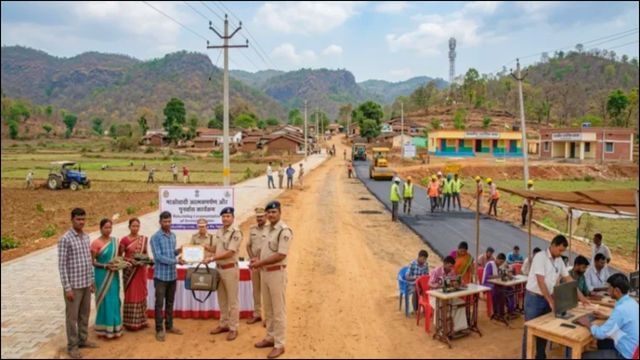
These efforts extend beyond job training to include access to housing, identity documentation, and welfare schemes, ensuring long-term stability.
Livelihood-Based Rehabilitation Models
In Bastar, Chhattisgarh, innovative livelihood initiatives are playing a crucial role. The inauguration of Cafe Pandum in Jagdalpur in November 2025 created employment opportunities for surrendered Maoists, offering them a chance to rebuild their lives with dignity.
Similarly, 30 former cadres underwent hospitality training and are being placed in hotels and homestays. These initiatives reflect a practical shift towards economic empowerment as a means of social reintegration.
Private Sector Participation
The involvement of private companies has strengthened rehabilitation efforts. In January 2025, 68 surrendered Naxals were employed by Lloyd Metals and Energy Limited, with support from state authorities. These individuals now earn stable incomes and contribute to the formal economy.
Such partnerships demonstrate how industry can play a constructive role in national security by supporting reintegration and reducing the risk of relapse into extremism.
Individual Stories of Transformation
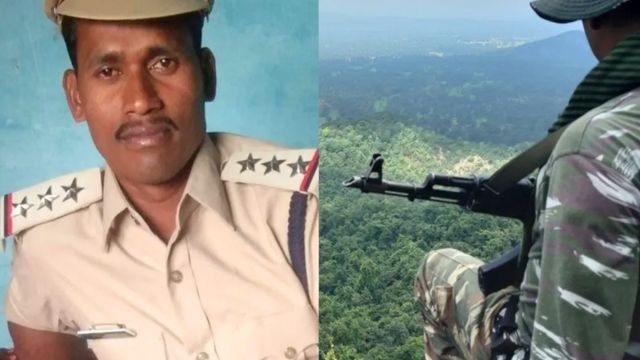
Several personal journeys highlight the long-term impact of these initiatives. Sanjay Potam, once a Maoist commander, is now a DRG officer and a recipient of the President's Gallantry Medal. Jaymati Banjam and Joymati Vanjan have transitioned from insurgency to serving in the security forces.
Rahul from Narayanpur now runs a motorbike repair shop after receiving skill training and financial support. Soni Markani, once part of the Maoist movement, now leads a peaceful life as a cook.
From Insurgency Leadership to Advocacy for Peace
Some former Maoist leaders have taken on roles that promote dialogue and peace. G. Narasimha Reddy, who was associated with the Maoist central committee for 17 years, now works through an NGO advocating peaceful resolution of conflicts. His journey reflects the possibility of ideological transformation alongside economic rehabilitation.
Integration into Security Forces and Civil Roles
Many surrendered Maoists have been integrated into security and civil roles, symbolising a complete turnaround. Shankar Markade and Joymati Vanjan are now part of the police force, while Bima Sodi serves as a home guard in Odisha.
Madkam Mudraj, once a Maoist commander, is now an Inspector in the District Reserve Guard, working to protect the very communities in which he once operated as an insurgent.
Grassroots-Level Transformations
At the grassroots level, individuals like Dhananjay, who once led Maoist units, now work as private security guards. His decision to surrender was driven by disillusionment with the destruction caused by Maoists.
Such transformations indicate that exposure to development and governance can reshape perspectives and encourage a return to mainstream society. These initiatives have also had a broader strategic impact. Employment opportunities reduce the appeal of insurgent groups, while rehabilitation programmes encourage surrendered cadres to support law enforcement efforts.
The expansion of governance and welfare services enhances trust in the state, contributing to long-term stability. Development-led rehabilitation thus emerges as a sustainable solution to Maoist insurgency.
Written by
Kewali Kabir Jain
Journalism Student, Makhanlal Chaturvedi National University of Journalism and Communication