Attack on Free Speech: Constitution Under Pressure in Congress-Ruled States
Cases from Telangana to Karnataka raise questions about misuse of law against criticism and the limits of state power in a democracy.
Total Views |


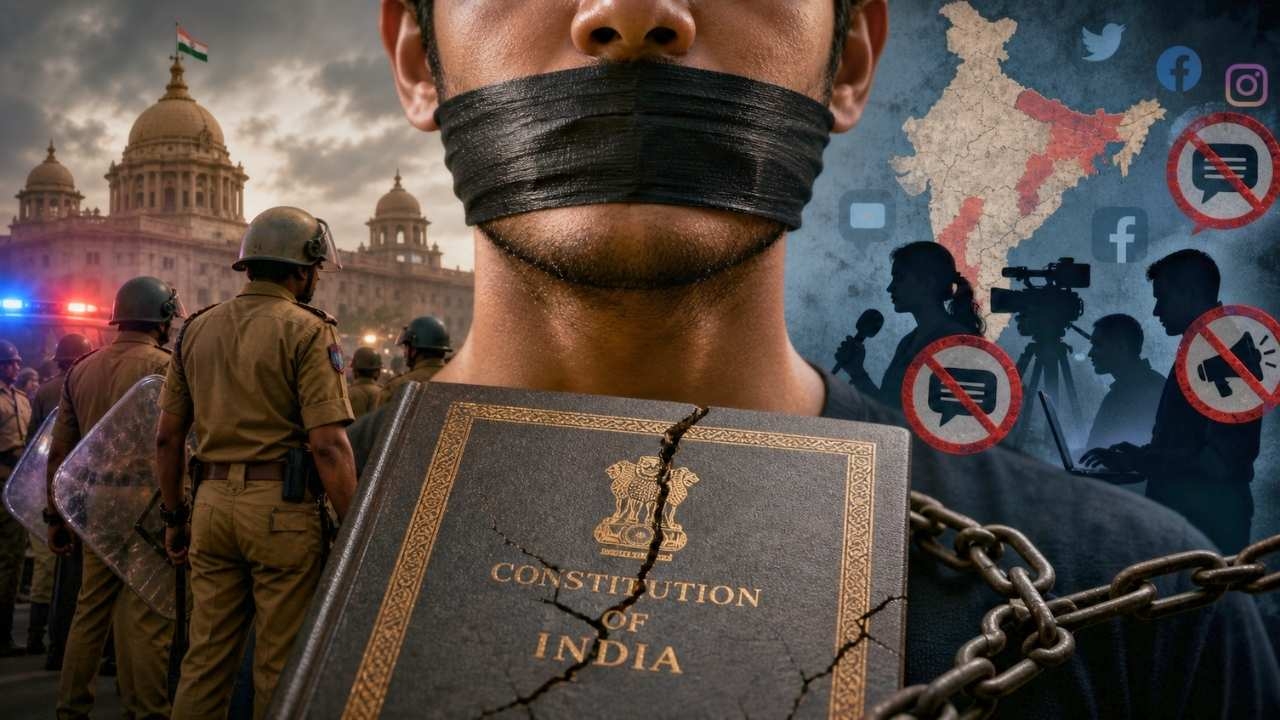
In a functioning democracy, dissent remains essential. Yet, a growing body of incidents across several Congress-ruled states raises serious concerns about the health of free expression within India’s federal framework. A compilation of cases involving FIRs, arrests and legal intimidation targeting journalists, digital commentators and social media users indicates an increasing use of state machinery to police opinion and stifle criticism.
At the heart of the issue lies a fundamental question: where does legitimate law enforcement end, and where does political intolerance begin?
The Expanding Net: From Influencers to Journalists
The documented incidents reveal a two-pronged trend. On one side, social media influencers, often unaffiliated individuals expressing political views, have faced swift legal action. On the other, professional journalists, including those working with established and independent platforms, have not been spared.
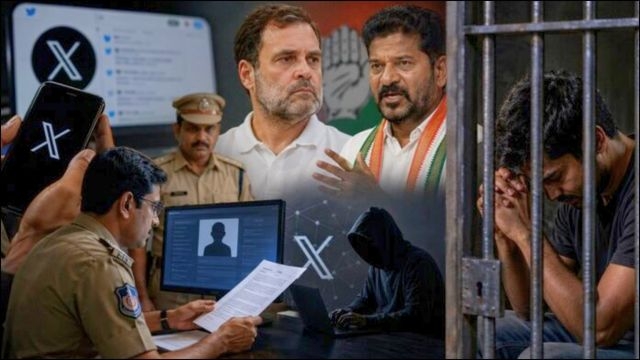
The nature of these cases varies, but the underlying theme remains consistent. Criticism of political leadership or government policy frequently triggers punitive responses. Charges range from defamation and promoting enmity to more stringent provisions resembling national security laws. In several instances, even posts, videos or commentary that fall within the realm of opinion or political satire have been treated as criminal offences.
Consider the cases of journalist Revathi Pogadadanda and her colleague Tanvi Yadav, who were arrested in Telangana over allegedly “offensive” content related to the Chief Minister. Similarly, digital commentator Rishi Bagree has faced multiple FIRs across states for posts deemed provocative, while influencer Mohit Narasimhamurthy was arrested in Karnataka over remarks against political leaders.
Criminal Law as a Tool of Deterrence
A recurring feature across these cases is the invocation of serious legal provisions, often disproportionate to the alleged offence. The use of sections related to public disorder, communal disharmony or even organised crime frameworks in response to online expression raises legitimate concerns about overreach.
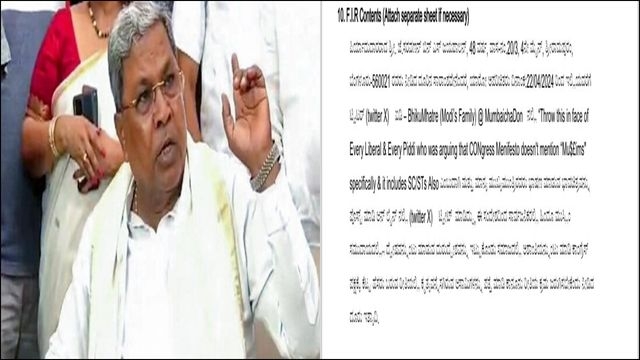
Influencer Vinit Naik, for instance, was arrested following a complaint that his posts could disturb communal harmony. Similarly, YouTuber Ajeet Bharti faced charges over claims made in a video about political speeches.
Such legal escalation produces a chilling effect. The process itself becomes the punishment, involving arrests, prolonged investigations, reputational damage and the financial burden of legal defence. Even when courts later grant relief or dismiss charges, the message sent to others remains unmistakable: criticism can come at a high personal cost.
The Telangana Flashpoint
Recent developments in Telangana have brought this issue into sharper focus. Action against platforms such as TeluguScribe and individuals associated with it has reignited debate over the boundaries of free speech. Authorities have justified such measures by citing the need to curb misleading or provocative content, but critics argue that vague definitions allow excessive discretion.
We have filed a Complaint against Mr @rishibagree , @arunpudur and @ajeetbharti of the BJP at Cyber Crime Police Station-Hyderabad, for manipulating the video of our Leader Shri @RahulGandhi Ji and spreading misinformation on social media platforms.@revanth_anumula… pic.twitter.com/pCcfJdyXjB
— Motha Rohit Mudiraj (@MothaRohit) April 26, 2024
Equally concerning is the move to monitor or categorise social media users as habitual offenders without conviction, effectively placing them under surveillance. Such measures blur the line between maintaining public order and pre-emptively curbing dissent.
A Broader Political Pattern
While individual cases may differ in context, their cumulative effect points to a broader political culture that appears increasingly intolerant of scrutiny. States such as Karnataka, Telangana, Rajasthan and Chhattisgarh feature prominently in these incidents, cutting across different administrative contexts while reflecting similar responses to criticism.
Importantly, complaints are often initiated not only by private individuals but also by party workers, legal cells or government officials. This institutional involvement amplifies concerns that legal mechanisms are being leveraged for political ends rather than solely for maintaining law and order.
Media, Power and Accountability
The targeting of journalists carries particular significance. A free press acts as a watchdog, holding power to account. When journalists face FIRs or arrests for reporting, commentary or even raising civic issues, it signals a deeper erosion of democratic safeguards.
India’s Constitution guarantees freedom of speech and expression, subject to reasonable restrictions. The operative word here is “reasonable”. When laws intended to address genuine threats are applied expansively against critics, the balance shifts away from liberty towards control.
Written by
Kewali Kabir Jain
Journalism Student, Makhanlal Chaturvedi National University of Journalism and Communication