Was Crucial Evidence in the Swami Laxmanananda Case Suppressed?
Did the disappearance of a 1,500-page judicial report hide key findings on religious conversions, Maoist activity and administrative failures in Kandhamal?
Total Views |


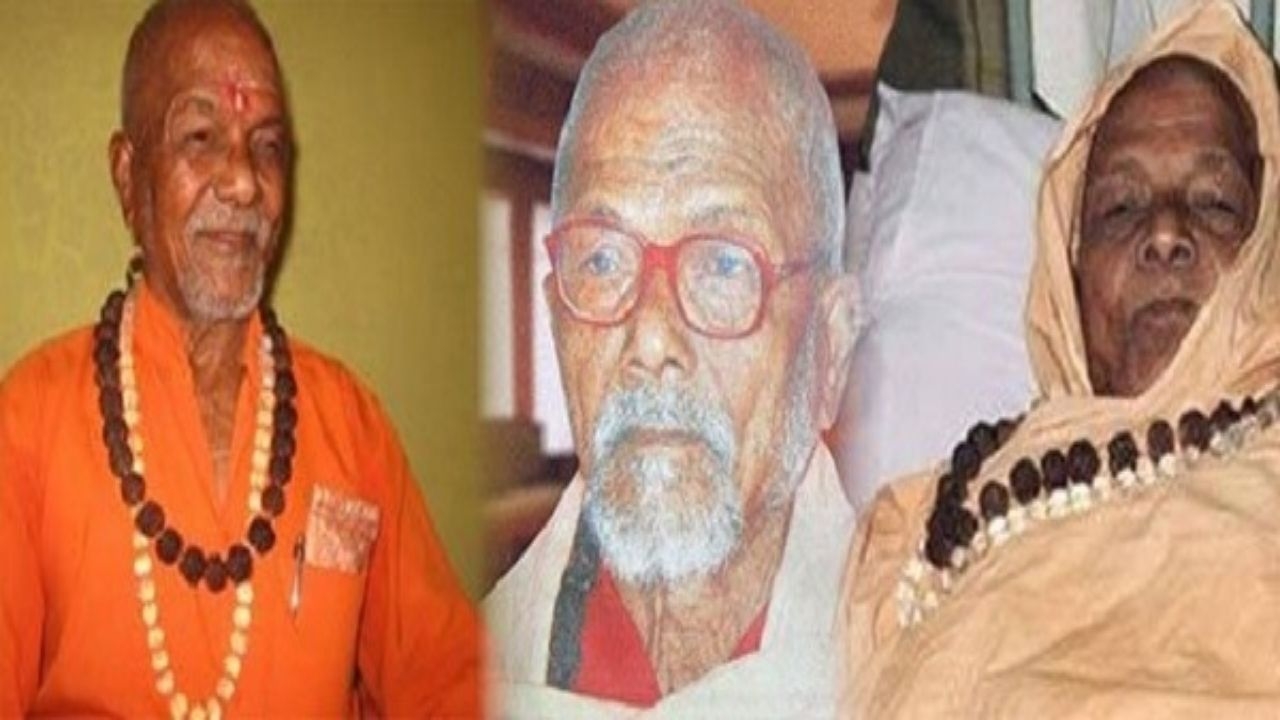
Nearly 18 years after the assassination of Vishwa Hindu Parishad (VHP) leader Swami Laxmanananda Saraswati and four of his disciples, the disappearance of a crucial judicial probe report has reignited debate in Odisha, raising questions about accountability, administrative handling and the circumstances surrounding one of the state's most sensitive incidents.
The killing of Swami Laxmanananda Saraswati at the age of 84 by Maoists sparked numerous political questions and became one of the most significant incidents in Odisha's history.
Swami Laxmanananda Saraswati was found dead along with four of his disciples in Odisha's Kandhamal district in August 2008, an incident that not only shook the state but also had far-reaching social and political consequences.
The matter has once again returned to the spotlight after reports emerged that an important judicial commission report related to the case has allegedly gone missing, leading to a fresh police investigation.
About Swami Laxmanananda Saraswati
Swami Laxmanananda Saraswati was a senior Vishva Hindu Parishad (VHP) leader and a respected Hindu monk who worked extensively for tribal welfare and anti-cow slaughter movements, also referred to as the cow protection or Gau Raksha movement, in Odisha's Kandhamal district.
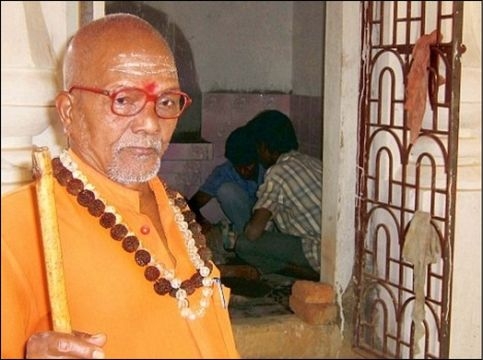
For decades, he remained associated with social and religious activities in the region, particularly among tribal communities. He established an ashram at Chakapada and had been working there since the late 1960s, focusing on education, social welfare and religious outreach.
On August 23, 2008, Swami Laxmanananda and four of his disciples were killed in an armed attack by Maoists at his ashram in Kandhamal district. The brutal killing sent shockwaves across Odisha and the country, making it one of the most high-profile cases involving a religious leader in the state.
What Justice A.S. Naidu Says
Former Justice A.S. Naidu, who headed the one-member commission that examined the murder of Swami Laxmanananda, stated that the report referred to religious conversions among tribal and Scheduled Caste communities as one of the factors behind social tensions in Kandhamal.
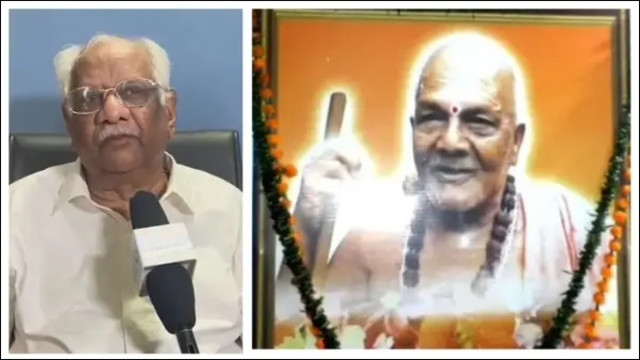
The two-volume report, spanning more than 1,500 pages, was submitted to the Odisha government in 2016 after an extensive inquiry. The commission examined around 300 witnesses and received 825 statements during the course of its investigation, making it one of the most comprehensive studies of the events surrounding the murder and the subsequent unrest.
Justice Naidu has maintained that the commission sought to identify the broader circumstances and systemic issues that contributed to tensions in the region.
Sudden Disappearance of the Report
Political controversy intensified after it emerged that the two-volume report had disappeared after being submitted and examined at the Chief Minister's Office. The disappearance came into focus after the BJP formed the government in Odisha in June 2024, replacing the previous BJD administration. The murder case itself had originally been registered on the basis of a complaint filed by the state government.
Recently, the Bhubaneswar-Cuttack Police Commissionerate initiated an investigation into the disappearance of the report to determine the circumstances under which it went missing.
The issue has also triggered a major political row. Odisha Revenue Minister Suresh Pujari accused the previous BJD government of "intentionally" allowing the report to disappear in an attempt to conceal administrative lapses.
On the other hand, BJD leader Munna Khan questioned why the issue was being highlighted nearly two years later and alleged that the BJP government's move was politically motivated. These allegations and counter-allegations have further intensified the political debate surrounding the case.
Justice A.S. Naidu reiterated that the report referred to religious conversions among tribal and Scheduled Caste communities as one of the factors contributing to social tensions in Kandhamal. At the same time, he clarified that the commission's findings extended beyond a single issue.
"The Commission only examined the religious conversion issue. The report also dealt with Naxal activities, social stigma, socio-economic issues, geographical isolation of tribal communities and disputes relating to the issuance of Scheduled Caste certificates," Naidu said.
According to him, the commission attempted to provide a comprehensive understanding of the multiple factors that shaped the situation in Kandhamal and offered recommendations aimed at preventing similar incidents in the future.
Killing That Sparked Communal Violence
Swami Laxmanananda was 84 years old when he died. He had established an ashram at Chakapada and devoted several decades to social and religious work in the region. His murder had a profound impact across Odisha.
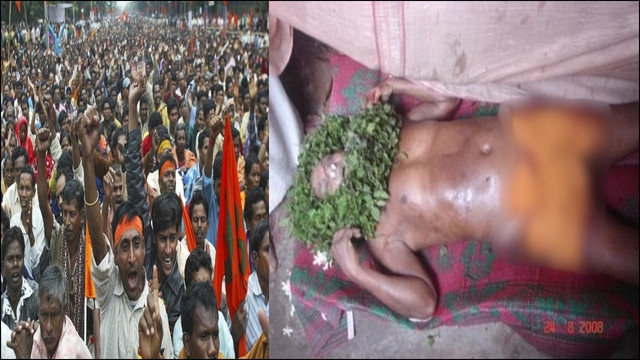
The assassination triggered large-scale communal violence in the state and led to significant unrest. According to official records, at least 39 people lost their lives during the violence that followed, while several others were injured and many families were displaced.
The Face Behind the Murder
Maoist leader P. Rama Rao alias Uday and eight others were found guilty of the murder of Swami Laxmanananda in October 2013 by a sessions court in Kandhamal.
P. Rama Rao and the eight other convicts were sentenced to rigorous life imprisonment. P. Rama Rao, also known as "Uday", was a former senior Maoist leader who operated primarily in Odisha. He headed the Bansadhara Dalam (armed squad) of the Communist Party of India (Maoist) before surrendering to the police in April 2009.
Prior to his conviction in 2013, he had surrendered before authorities in Rayagada district, a development that law enforcement agencies considered a significant setback for the Naxalite network operating in Odisha.
Fresh Investigation into the Missing Report
As part of the ongoing investigation into the disappearance of Justice Naidu's probe report, sources said a special police team visited the state secretariat and recorded statements from officials.
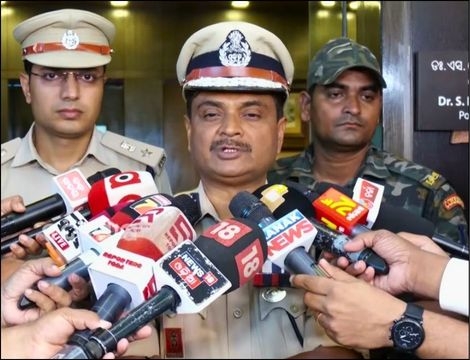
Police Commissioner S. Dev Datta Singh stated that investigators are collecting evidence to determine when the report went missing, who was responsible for its custody, whether there was any motive behind its disappearance, and whether any administrative lapses or deliberate actions led to the documents going missing.
The investigation is expected to examine the complete chain of custody of the report from the time it was submitted to the government until its alleged disappearance.
In a Nutshell
The 2008 killing of Swami Laxmanananda Saraswati remains a significant event in Odisha's history due to its legal, social and political consequences. With the disappearance of the Justice A.S. Naidu Commission report now under investigation, the issue has once again entered public and political discourse.
The case has reopened discussions on administrative accountability, the factors examined by the commission and the broader legacy of the Kandhamal violence. Official investigations are currently underway to determine the circumstances surrounding the missing report and any possible lapses in its custody.
Written by

Mokshi Jain
Sub-editor, The Narrative