When the Cross Met the Red Corridor
Why have multiple investigations, court records, and security agencies flagged intersections between missionary conversion campaigns and Maoist ecosystems?
Total Views |


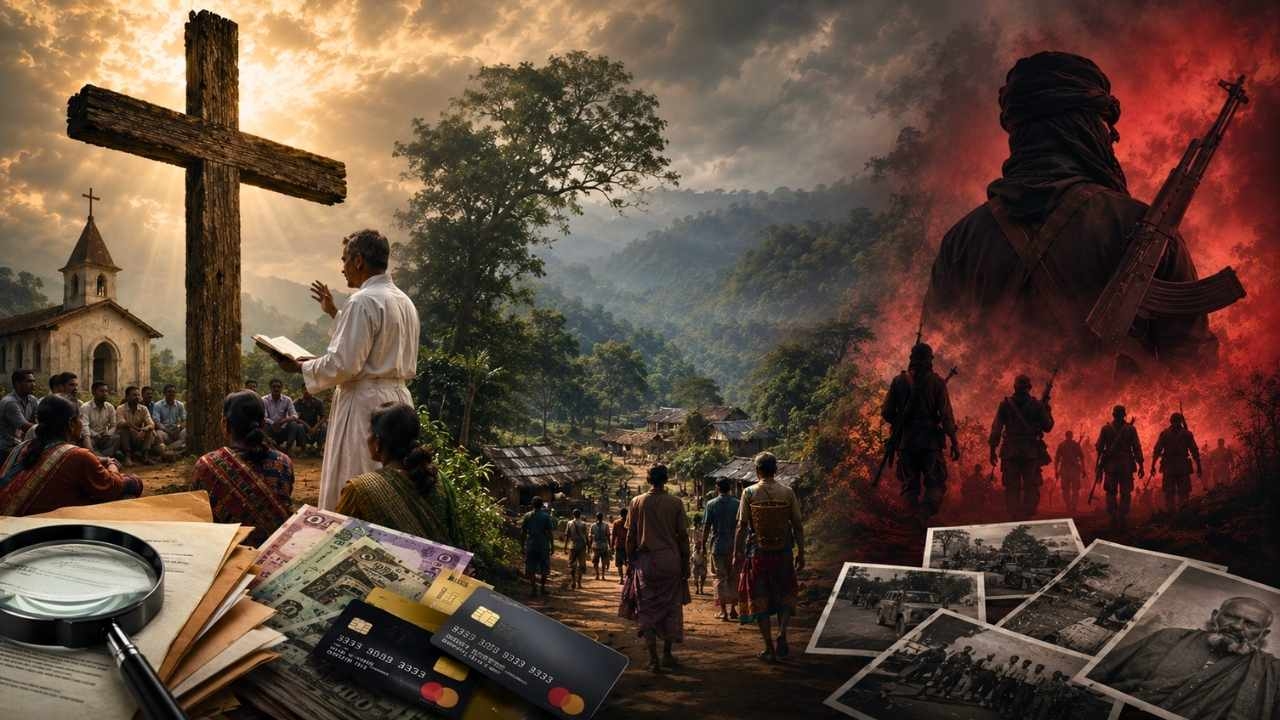
Bharat's internal security establishment has long monitored the convergence of three sensitive fault lines in vanvasi and conflict-prone regions: religious conversion campaigns, foreign-funded activism, and Maoist insurgency. While not every missionary organisation operating in vanvasi belts is linked to extremist activity, multiple investigations, court proceedings, and intelligence assessments have highlighted instances in which missionary-linked actors, NGOs, and Maoist networks allegedly intersected in regions vulnerable to separatist and anti-state mobilisation.
The latest case involving the US-based evangelical organisation The Timothy Initiative (TTI) has once again brought the issue into national focus.
TTI Under Scanner for Alleged Extremist Indoctrination
On 11 June 2026, Bengaluru Police registered an FIR against The Timothy Initiative and six associated individuals following a complaint filed by the Enforcement Directorate (ED). Investigators alleged that more than ₹92.55 crore in foreign funds entered Bharat through nearly 1,000 foreign-issued debit cards and were used for missionary activities, training programmes, and religious outreach.
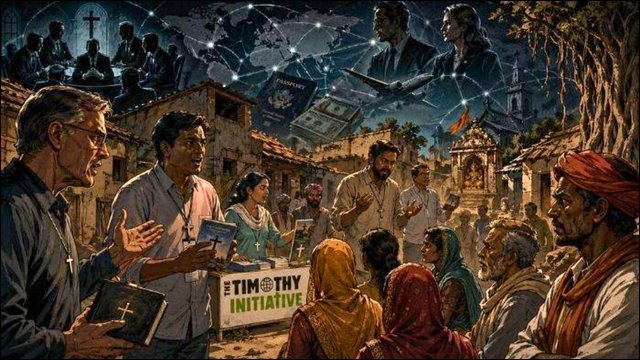
The FIR further alleged that vulnerable and economically weaker sections were subjected to ideological conditioning that could contribute to Left-Wing Extremist (LWE) tendencies. Investigators also claimed that more than ₹6 crore was withdrawn and utilised in Naxal-affected districts of Chhattisgarh, raising concerns about the movement of foreign funds into insurgency-hit regions.
Conversion Manuals and Cultural Targeting
Months before the FIR, ED raids reportedly uncovered missionary training material linked to TTI. The manuals described Hindu-majority villages as territories influenced by "evil spirits" and instructed evangelists on methods to gradually introduce Christian teachings while avoiding local suspicion.
The documents allegedly portrayed Hindu deities negatively and outlined systematic strategies for conversion through social engagement, storytelling, prayer groups, and cultural adaptation. Critics argue that such material reflects a deliberate effort to undermine indigenous belief systems while creating ideological fault lines within traditional communities.
The Stan Swamy Controversy
One of the most debated examples of the alleged missionary-Maoist overlap emerged in the Bhima Koregaon-Elgar Parishad case. In October 2020, the National Investigation Agency (NIA) arrested Jesuit priest Father Stan Swamy, accusing him of maintaining links with the banned CPI (Maoist).
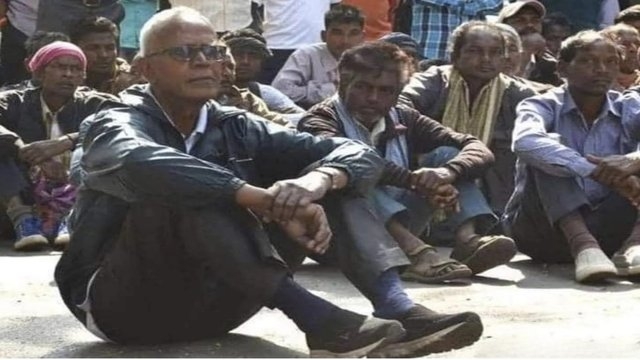
According to the NIA, Swamy was involved in activities intended to support Maoist networks through communications, organisational structures, and financial transactions. Investigators alleged that he received funds from underground cadres and played a role in organisations viewed as Maoist fronts. While Swamy denied the allegations throughout the proceedings, courts repeatedly cited prima facie evidence while denying bail. He died in judicial custody in July 2021 before the trial could conclude.
Pathalgadi Movement and Church-Linked Networks
The Pathalgadi agitation in Jharkhand represented another instance in which vanvasi mobilisation, missionary influence, and extremist networks allegedly converged. The issue gained national attention after the 2018 abduction and gang rape of five women activists in Khunti district.
Investigations revealed the presence of church-linked NGOs and missionary institutions operating in areas influenced by Pathalgadi leaders and the People's Liberation Front of India (PLFI), a Naxal-linked outfit. The incident exposed the complex ecosystem of vanvasi activism, missionary outreach, and anti-state mobilisation that had developed in parts of Jharkhand.
Security analysts noted that, while the Pathalgadi movement publicly projected itself as a vanvasi rights campaign, extremist organisations often sought to exploit local grievances and traditional identity issues for broader anti-state objectives.
Kandhamal Assassination: Maoists and Christian Accused Convicted
Perhaps the most significant case cited by proponents of the missionary-Maoist nexus theory remains the assassination of Swami Lakshmanananda Saraswati in Odisha's Kandhamal district in August 2008.
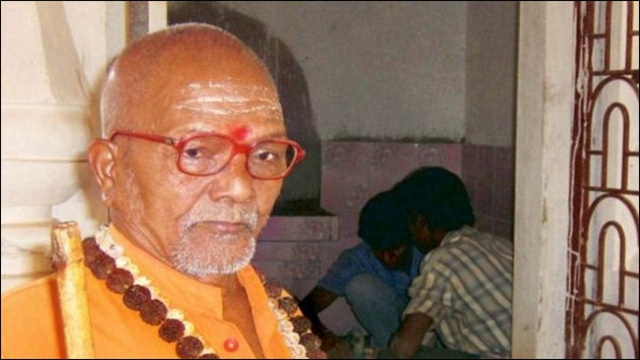
The Hindu saint had emerged as a prominent opponent of conversion activities in vanvasi regions. Following his murder, investigations pointed towards Maoist involvement, with the attack eventually being claimed by Maoist leader Sabyasachi Panda. During the judicial process, local Christian figures, including church leader Bhaskar Sunamajhi, were convicted alongside Maoist operatives for conspiracy and murder.
In 2013, a trial court sentenced eight individuals, including Christian leaders and Maoist-linked accused, to life imprisonment. Although several convicted individuals later received bail pending appeals, the case remains one of the strongest judicially examined examples in which investigators alleged direct cooperation between conversion-linked actors and Maoists.
Written by

Kewali Kabir Jain
Journalism Student, Makhanlal Chaturvedi National University of Journalism and Communication