Bharat's Air Defence Gets Major Upgrade as Fourth S-400 Squadron Enters Service
Integrated with the IACCS network, the new S-400 squadron enables faster threat detection, improved coordination and a stronger multi-layered air defence system.
Total Views |


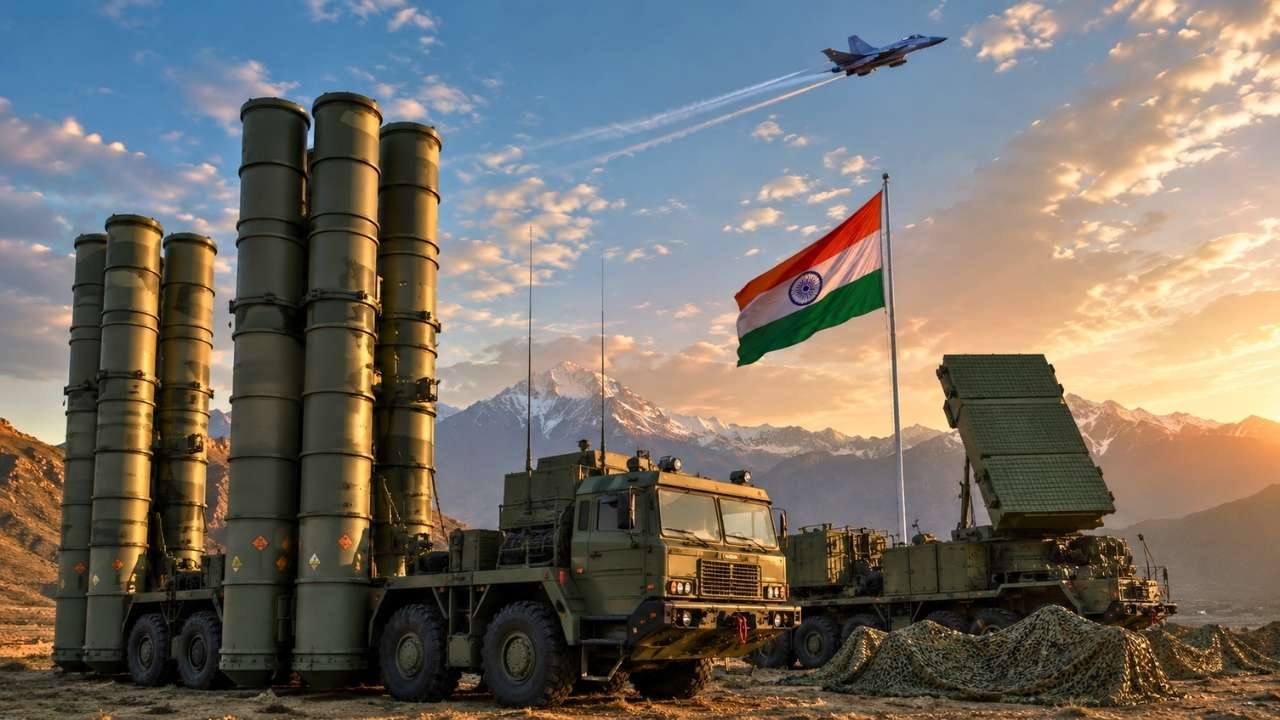
Bharat has received its fourth squadron of the Russian-made S-400 air defence system, marking another major milestone in strengthening the country's aerial security. The induction of the new squadron enhances Bharat's ability to detect, track and neutralise enemy aircraft, missiles and drones over long distances, while bringing the country closer to completing its planned five-squadron S-400 network.
The arrival of the fourth squadron of the Russian-made S-400 'Sudarshan Chakra' air defence system has further boosted Bharat's air defence capabilities. With this delivery, Bharat has now received four of the five S-400 squadrons contracted from Russia and is expected to receive the fifth and final squadron in the near future.
What is the S-400?
The S-400 Triumf is regarded as one of the world's most advanced long-range air defence systems. It is designed to track enemy fighter aircraft, intercept cruise missiles, destroy ballistic missiles and target drones, as well as AWACS (Airborne Warning and Control System) aircraft. The system is capable of detecting and engaging multiple targets simultaneously, making it a critical component of modern air warfare. Depending on the missile used, the S-400 can engage targets at ranges of up to 380-400 kilometres.
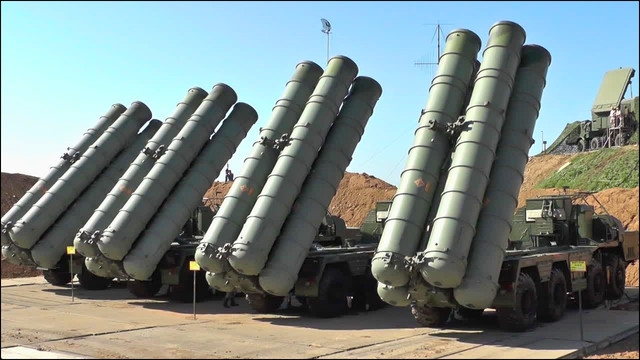
Bharat signed the deal with Russia in 2018 for approximately 5.4 billion US dollars, equivalent to more than ₹40,000 crore. Under the agreement, Bharat was to receive five S-400 squadrons to strengthen its multi-layered air defence architecture.
Bharat received its first squadron in 2021, the second in 2022 and the third in 2023. The fourth squadron has now arrived in 2026, while the fifth and final squadron is expected to be delivered soon, completing the entire network envisioned under the agreement.
How Will Bharat Benefit from the S-400?
The arrival of the fourth squadron will further strengthen Bharat's western sector, where previously deployed S-400 systems already provide coverage across several sensitive areas facing Pakistan. This significantly enhances Bharat's capability to detect and respond to potential aerial threats before they enter critical airspace.
Secondly, the S-400 increases Bharat's ability to monitor and intercept long-range threats from China, including fighter aircraft, strategic bombers and missile systems. Given the evolving security environment along Bharat's northern borders, the system adds an important layer of deterrence and preparedness.
Lastly, the S-400 is integrated with Bharat's Integrated Air Command and Control System (IACCS), allowing radars, missile batteries and command centres to operate within a connected network. This integration enables faster decision-making, improved situational awareness and a coordinated response to aerial threats.
Operation Sindoor and the S-400 Connection
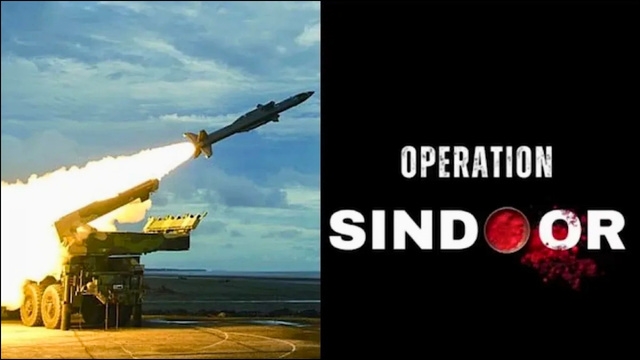
The S-400 system is reported to have played a pivotal role in Bharat's air defence architecture during Operation Sindoor. Its ability to provide long-range surveillance and interception capabilities reinforced Bharat's defensive posture during the operation. This is one of the reasons defence experts continue to regard the S-400 as a strategic asset, even in the context of emerging security challenges.
While Bharat continues to strengthen its defence partnership with Russia, it is also focusing on self-reliance in defence technology. The country is developing its indigenous long-range air defence programme, known as 'Project Kusha', which aims to provide advanced missile defence capabilities in the future. Alongside this, reports suggest that the government is also examining proposals related to the acquisition of additional S-400 units.
Why Sudarshan Chakra?

The Indian Air Force has unofficially named the S-400 network 'Sudarshan Chakra', inspired by the divine weapon of Lord Vishnu in Hindu mythology. The name symbolises the system's ability to detect and neutralise enemy aircraft and missiles from great distances before they can pose a threat to Indian territory.
Conclusion
The arrival of the fourth S-400 squadron has further strengthened Bharat's 'Sudarshan Chakra'. The system enhances aerial security against threats from both Pakistan and China while significantly improving Bharat's capability to detect, track and destroy enemy missiles and aircraft at long ranges. With the integration of advanced surveillance, interception and command systems, Bharat's air defence shield has become more robust and multi-layered than ever before.
The country now awaits the arrival of its fifth and final squadron, which will complete the full S-400 network and further reinforce Bharat's defensive preparedness.
Written by

Mokshi Jain
Sub-editor, The Narrative