The Anatomy of Selective Outrage: Kapil Sibal, Bengal and the Politics of Silence
Is Kapil Sibal"s criticism of Bharat consistent with his stance on Bengal violence, the RG Kar case and other major controversies?
Total Views |


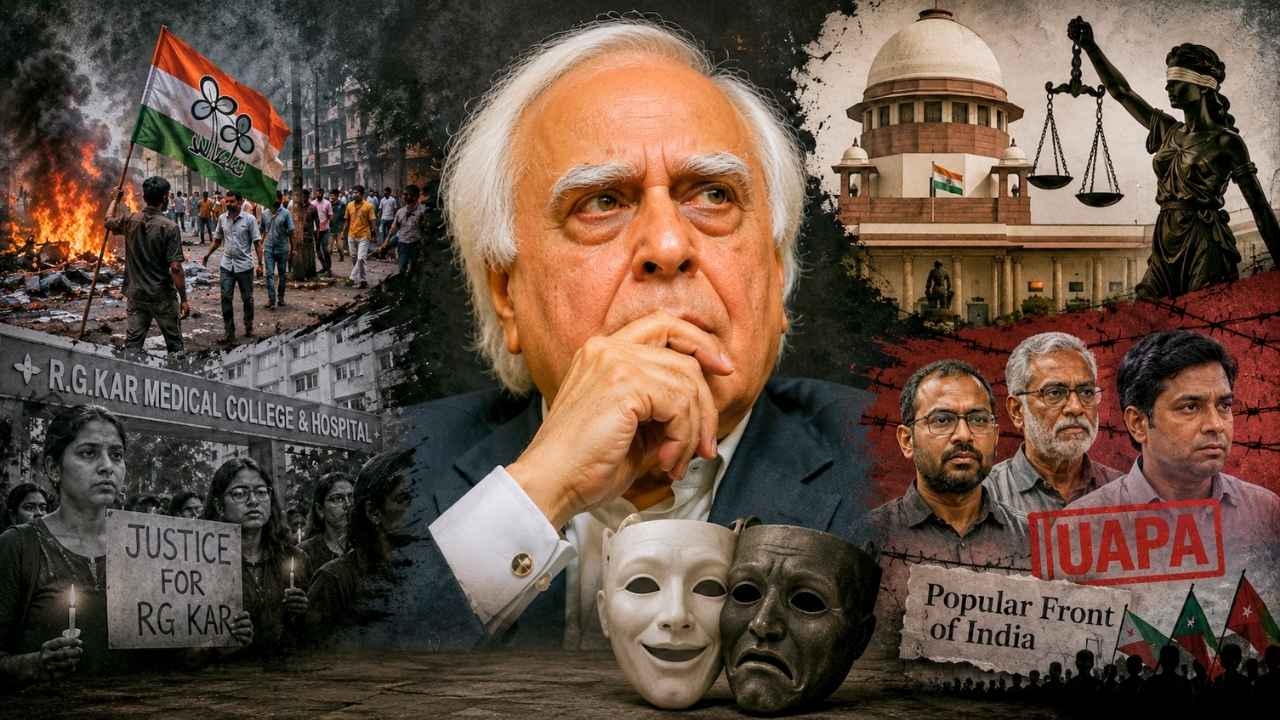
The theatre of political convenience in Bharat has long been populated by figures who discover their conscience only when the spotlight aligns with their electoral interests. Foremost among them is senior advocate and independent Rajya Sabha MP Kapil Sibal. His recent assertion that he is "ashamed" to live in Bharat following an attack on Trinamool Congress MP Abhishek Banerjee presents a textbook study in what can only be described as highly selective, politically manufactured outrage.
The Bengal Paradox: Silence Amid the Ashes
To understand the superficiality of Sibal's current "shame", one must look back to the aftermath of the 2021 Assembly elections in West Bengal. Following the TMC's victory, the state witnessed unprecedented post-poll violence, so severe that the Calcutta High Court was forced to intervene, ordering a court-monitored Central Bureau of Investigation (CBI) probe into heinous offences including murder, rape, and attempted rape.
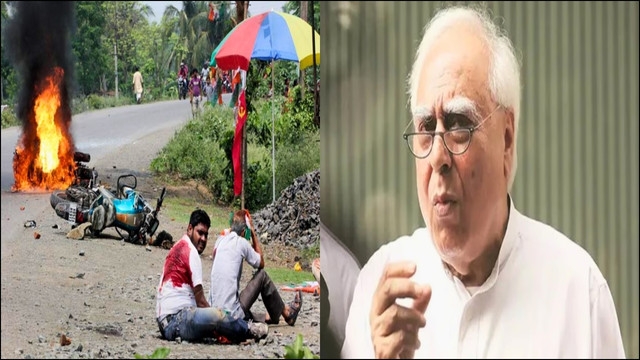
During that dark chapter, when ordinary citizens and political dissidents in Bengal were fleeing their homes in terror, Sibal's outrage was conspicuously absent. Instead, he chose to celebrate Mamata Banerjee's electoral triumph and focused his rhetoric on attacking the use of traditional cultural slogans such as "Jai Shri Ram". The contrast is stark: no shame was expressed over the breakdown of law and order when the victims belonged to the ideological opposition, yet a single incident involving a powerful dynastic politician prompted a sweeping condemnation of the entire nation.
Defending the Indefensible at RG Kar
Sibal's alignment with the ruling apparatus of West Bengal became even more pronounced during the horrific rape and murder of a postgraduate trainee doctor at RG Kar Medical College and Hospital. As the conscience of the nation was deeply shaken, the Supreme Court of Bharat repeatedly pulled up the West Bengal administration, raising pointed questions regarding police conduct, delays in registering the First Information Report (FIR), and the structural failures of the state machinery.
In those courtroom corridors, Sibal did not stand as a champion of civil liberties or citizen safety. Instead, he appeared as the legal shield for the very TMC-run state machinery that was facing the apex court's toughest scrutiny. For an individual who frequently lectures Bharat on the virtues of democracy and institutional accountability, defending a state apparatus accused of systemic cover-ups exposes a profound ideological contradiction.
Obstruction of the National Ethos
This weaponisation of the legal process to suit specific political agendas extends to issues of deep cultural significance for millions of Indians. In the historic Sri Ram Janmabhoomi matter, Sibal famously argued before the Supreme Court that the final hearings should be deferred until after the 2019 Lok Sabha elections.
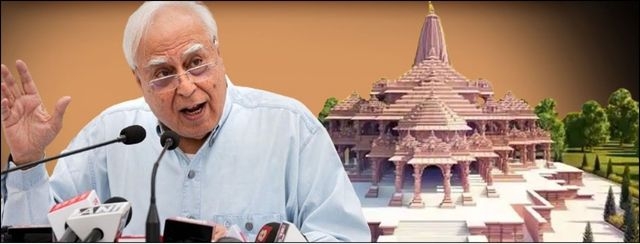
By attempting to explicitly link civil justice and the civilisational aspirations of crores of Ram bhakts to the electoral calendar, Sibal moved beyond the realm of standard legal caution into what many perceived as deliberate political obstruction. The Supreme Court rightly rejected the plea, but the intent to delay a monumental judicial resolution for political expediency remained clear.
A Pattern of Comfort with UAPA and Terror Accused
While every accused person in Bharat possesses the constitutional right to legal representation, the consistent pattern of Sibal's clientele reveals what critics describe as a distinct ideological affinity. Over the years, he has regularly provided top-tier legal representation to individuals facing serious charges under the Unlawful Activities (Prevention) Act (UAPA) and in terror-related cases. His roster of clients has included:
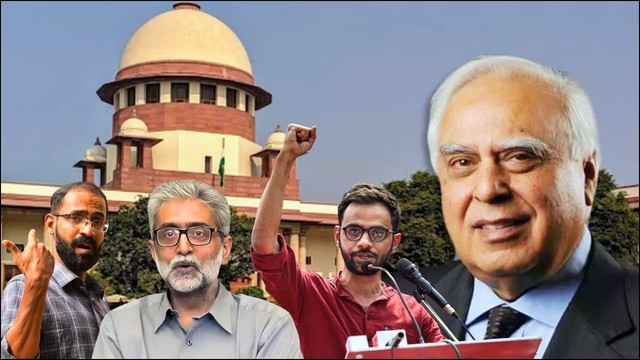
- Siddique Kappan, charged under UAPA in connection with attempts to stoke communal tension.
- Gautam Navlakha, implicated in the Bhima Koregaon case concerning Maoist links.
- Umar Khalid, facing UAPA charges related to the conspiracy behind the 2020 Delhi riots.
When the same ecosystem that relies on elite legal defence simultaneously questions the integrity of Bharat's investigative agencies, its courts, and its national security framework, the underlying political strategy becomes increasingly apparent.
Furthermore, Sibal previously admitted to receiving financial transfers from the Popular Front of India (PFI) as legal fees in the Hadiya case, while denying any connection to the anti-CAA protests. Given that the Government of India subsequently banned the PFI and its affiliates under UAPA for serious offences, including terror financing and targeted killings, the willingness of some of the opposition's foremost legal figures to engage professionally with such entities raises serious ethical questions.
Written by
Kewali Kabir Jain
Journalism Student, Makhanlal Chaturvedi National University of Journalism and Communication