The "Jesus Corridor" in India
An Analytical Report on Recent Discourse, Demographic Trends, Christian Missionary Activities, and Regulatory Responses
Total Views |


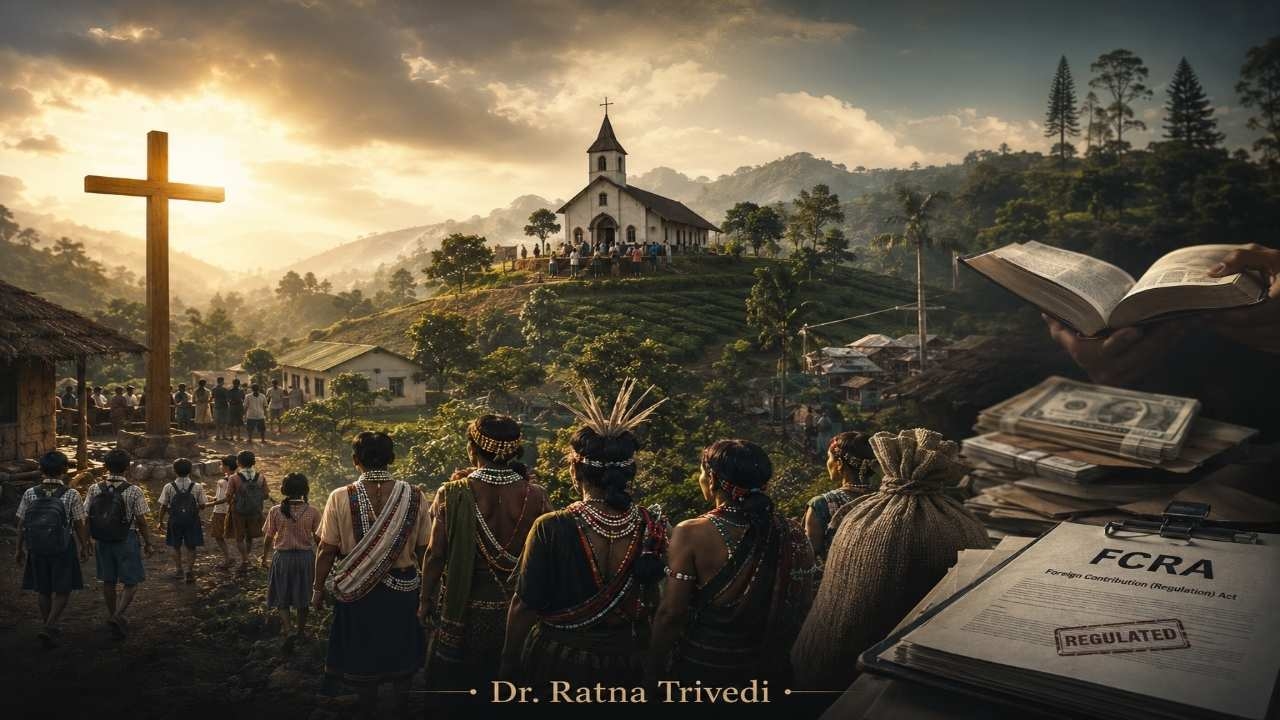
The term "Jesus Corridor" emerged in Indian public discourse in mid-2026, primarily in opinion pieces and social media activism, to describe a perceived contiguous geographic belt of increasing Christian influence and conversions spanning North Bengal, Bodo-inhabited areas and tea gardens of Assam, Sikkim, and Arunachal Pradesh. This framing highlights concerns over rapid demographic shifts in specific tribal and plantation communities, allegedly facilitated by foreign-funded missionary activities and NGOs.
While the phrase itself is not an official government designation and carries a rhetorical tone in certain commentary, the underlying demographic trends are verifiable through Census data. Arunachal Pradesh, for instance, saw its Christian population rise from under 1% in 1971 to over 30% by 2011, with estimates suggesting further increases. Similar patterns of growth, though less dramatic, appear in pockets of Assam's tea belts and North Bengal. Nationally, India's Christian population remains stable at approximately 2.3% (2011 Census).
The Indian government has tightened the Foreign Contribution (Regulation) Act (FCRA) in recent years, with amendments and enforcement actions targeting NGOs involved in religious conversions or failing compliance. Over 20,000 FCRA registrations have been cancelled or not renewed since 2014. These measures are presented by supporters as safeguards against external interference in India's social and demographic fabric.
This report presents a balanced overview drawing from primary sources including Census of India data, Pew Research, News18 opinion analysis, activist discussions on X, Wikipedia summaries of historical context, and reports on FCRA implementation. It avoids endorsing any single narrative and notes both the factual growth in certain regions and the broader context of voluntary conversions, historical missionary contributions to education and healthcare in tribal areas, and existing legal frameworks regulating proselytization.
1. Origin and Definition of the "Jesus Corridor"
1.1 Emergence in Public Discourse
The specific term "Jesus Corridor" gained visibility through a June 27, 2026, opinion article in News18 by journalist and author Abhijit Majumder (author of 'India’s New Right'). The piece describes a "growing buzz" about a so-called corridor stretching from north Bengal through the Bodo areas, Assam’s tea belts, Sikkim, and Arunachal Pradesh, associated with opaque foreign funding for Christian missionary activities and conversions.
Direct quote from the article: "There is a growing buzz about a so-called 'Jesus Corridor' stretching from north Bengal through the Bodo areas, Assam’s tea belts, Sikkim, and Arunachal Pradesh."
The article frames stricter FCRA rules as a necessary shield against alleged systematic demographic engineering through conversions. It references census trends, OpIndia ground reports on church proliferation in Punjab and other areas, and bipartisan historical concerns (e.g., UPA-era actions against certain NGOs). [Read full News18 article]
1.2 Usage on X (Twitter)
Prior to and alongside the News18 piece, the hashtag #JesusCorridor and related discussions appeared in posts by accounts focused on legal activism, demographic concerns, and Hindu/Sikh advocacy. These posts often include maps, statistics on church growth, and calls for government intervention, including broadening committees on demographic change.
Key examples from X (as of late June 2026):
@LegalLro (Legal Rights Observatory), June 22, 2026: "#JesusCorridor in Making! #FCRAViolation has helped create an alarming demographic shift in belt from North Bengal, Bodoland, Assam's Tea Belt to Arunachal Pradesh! Thousands of Churches hav[e] propped up in JC with lakhs being converted to Christianity! We need to act fast to stop!" [View post]
@LegalLro, June 24, 2026: Urged Home Minister @AmitShah and @HMOIndia to broaden the High Level Committee on Demographic Change (HLCDC) to study the "pattern, reasons and political, social, financial elements behind unnatural, sharp rise in Christian population and massive evangelist onslaught" in Sikkim, North Bengal, Assam's Bodoland, Tea Tribes Belt, and Arunachal Pradesh, citing potential national security implications. [View post]
@abhijitmajumder (the News18 author), June 28, 2026: Shared his article with the caption "How New FCRA Laws Are A Shield Against ‘Jesus Corridor’ & Demographic Shifts." [View post]
These posts reflect a perspective viewing the pattern as coordinated and potentially destabilizing, often linking it to FCRA violations or alternative funding routes (e.g., hawala mentions in older related discussions). Counter-narratives on X and elsewhere emphasize voluntary faith choices, social benefits from missions, and criticize the term as alarmist or majoritarian rhetoric.
2. Geographic Scope and Key Claims
2.1 The Alleged Corridor
The described corridor roughly follows: North Bengal (Darjeeling, Jalpaiguri, Alipurduar districts with tea gardens and tribal populations) → Bodo Territorial Region and tea belts of Assam (e.g., areas with significant Adivasi/Santhal tea worker communities) → Sikkim → Arunachal Pradesh (especially central and eastern districts with tribal groups like Nyishi, Adi, Wancho).
Claims typically include:
- Proliferation of churches and prayer halls in previously non-Christian or animist-dominant areas.
- Conversions among Scheduled Tribes (ST), tea garden workers (often descendants of indentured Adivasi laborers from Chotanagpur), and some Dalit/Sikh communities (e.g., reports from Punjab cited in related coverage).
- Alleged use of material incentives, education, healthcare, or promises of relocation abroad by missionaries/NGOs.
- Foreign funding routed through FCRA-registered or other NGOs, despite regulatory scrutiny.
- Potential implications for cultural preservation of indigenous faiths (e.g., Donyi-Polo in Arunachal) and border security.
2.2 Specific Examples Cited
News18 and X discussions reference NGOs such as All Sikkim Christian Organisation (ASCO), Caritas India, United Christian Welfare Society of Sikkim, and Darjeeling Social Service Society (DSSS). In Punjab (sometimes linked thematically), reports of over 1,800 new churches and significant conversions in districts like Tarn Taran, Jalandhar, and Amritsar. In Arunachal, statements by some local leaders noted positively or neutrally regarding expansion.
3. Demographic Trends: Facts from Census and Research
India's overall Christian population per the 2011 Census was 27.8 million, or 2.3% of the total population. This share has remained relatively stable in recent decades nationally, though with significant regional variations and historical growth in the Northeast.
3.1 Arunachal Pradesh: Most Dramatic Shift in the Corridor
Arunachal Pradesh exemplifies the rapid change highlighted in the discourse. Official Census figures show:
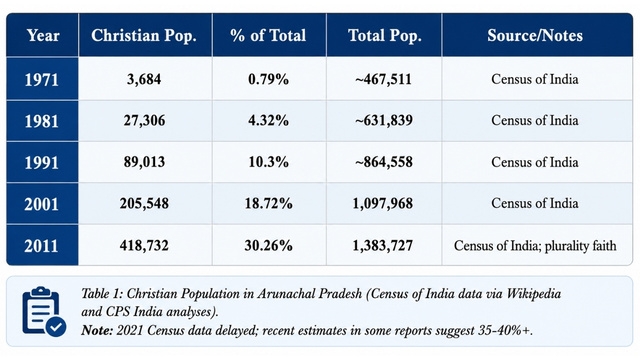
This growth occurred alongside a decline in the share of indigenous animist faiths (grouped under "Other Religions and Persuasions"), from dominant in 1971 to ~26% in 2011. Factors cited in academic and media analyses include missionary schools, hospitals, and community organization among tribes, as well as state policies and the 1978 Arunachal Pradesh Freedom of Religion Act (aimed at curbing "force, fraud, or allurement" in conversions, though enforcement debates persist).
3.2 Other Regions in the Corridor
Assam (2011): Christians numbered 1,165,867 or 3.74% of the state population (up from ~3.2% in 2001). Growth concentrated among tea garden Adivasi communities (historically evangelized since colonial era) and some Bodo/Karbi tribal areas. Bodo Christians estimated around 9-10% in some analyses.
Sikkim: Christian share has risen gradually; around 10% in recent estimates, with specific NGOs active.
North Bengal (West Bengal districts): Higher relative growth in Christian population in tea garden and tribal belts compared to state average, though absolute numbers remain modest.
Context from Pew Research Center (2021 analysis of 2019-20 data):
Indian Christians are disproportionately from Scheduled Castes (33%), Scheduled Tribes (24%), and lower-income backgrounds. Many report conversions for social mobility, education, or community support. Converts are concentrated in the South and Northeast.
4. Historical and Broader Context
4.1 Ancient and Colonial Roots
Christianity in India dates back to the 1st century CE with the tradition of St. Thomas the Apostle arriving in Kerala (Syrian Christians/Mar Thoma). Portuguese and later British/Danish/American missionaries expanded presence from the 16th-19th centuries. In the Northeast, American Baptist missionaries from the 1830s onward had profound impact on hill tribes (Naga, Mizo, Garo, Khasi), leading to high Christian majorities in Nagaland (~88%), Mizoram (~87%), and Meghalaya (~70%) by 2011 – states outside the core "corridor" but part of the broader Northeast Christian landscape.
Tea garden Christianity in Assam and North Bengal stems from 19th-20th century evangelization of migrant Adivasi laborers from present-day Jharkhand/Odisha/Chhattisgarh.
4.2 Niyogi Committee and Anti-Conversion Sentiment
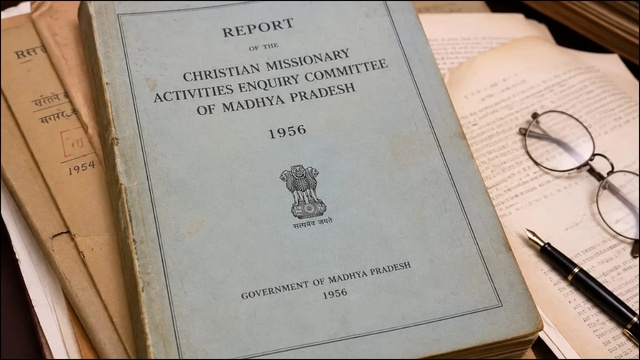
Post-independence, concerns over missionary activities led to the 1956 Niyogi Committee Report in Madhya Pradesh, which documented foreign funding for conversions and recommended regulatory measures. Several states (Odisha, Madhya Pradesh, Arunachal Pradesh, and later others) enacted Freedom of Religion / anti-conversion laws prohibiting conversions by force, fraud, or inducement. These laws remain controversial, with critics arguing they are misused against genuine conversions or minorities, while supporters see them as protecting vulnerable populations and cultural integrity.
4.3 FCRA and Foreign Funding Regulations
The Foreign Contribution (Regulation) Act, 2010 (amended significantly in 2020 and enforced rigorously), requires NGOs receiving foreign funds to register, maintain separate accounts, and prohibits use for activities threatening "social or religious harmony," including explicit restrictions on proselytization in recent guidance. The Ministry of Home Affairs has cited 17+ reasons for denial/cancellation, including diversion of funds, links to radical groups, or conversion-related activities. Over 20,000 licences cancelled/not renewed since 2014. Christian ministries have reported increased scrutiny; some international groups note challenges in operations but affirm compliance efforts or shifts to local funding.
Related coverage: Mission Network News (Dec 2024) on FCRA intensifying scrutiny of Christian ministries; News18 reports on amendments targeting institutions involved in conversions. Example FCRA-related News18
5. Multiple Perspectives
5.1 Concerns Highlighted in the "Corridor" Discourse
Proponents of heightened vigilance (as in the News18 piece and X posts by @LegalLro and similar accounts) argue:
- Localized demographic engineering via sustained missionary campaigns could alter political and cultural landscapes in sensitive border and tribal regions.
- Foreign funding, even if routed indirectly, influences conversions in economically vulnerable communities.
- Erosion of indigenous tribal identities and faiths (e.g., Donyi-Polo revival efforts in Arunachal as a counter-movement).
- National security implications in Arunachal (China border) if demographic shifts affect loyalty or social cohesion.
5.2 Counterarguments and Contextual Factors
Critics of the "Jesus Corridor" framing and observers emphasizing voluntary aspects note:
- Many conversions, especially historical ones in the Northeast and among tea workers, were gradual and driven by access to education, literacy (often first introduced by missions), modern healthcare, and social equality in hierarchical tribal or caste societies.
- Pew data shows converts often cite personal faith experiences or community benefits; Indian Christians remain a small national minority facing occasional discrimination.
- The term "Jesus Corridor" is seen by some as sensationalist or politically motivated rhetoric that overlooks similar patterns of religious change elsewhere (e.g., Buddhist or Hindu organizational activities) and ignores that high Christian % states like Nagaland have long been stable without "corridor" alarm.
- FCRA enforcement, while aimed at transparency, has been criticized by some NGOs and minority groups as selectively burdensome or chilling legitimate charitable/religious work.
- India's Constitution guarantees freedom of religion (Article 25), including propagation, subject to public order, morality, and health – a balance courts have interpreted in various conversion-related cases.
6. Conclusion and Implications
The "Jesus Corridor" represents an emerging rhetorical construct in 2026 Indian discourse to encapsulate real, measurable increases in Christian adherence in a specific belt of northeastern and northern Bengal regions, particularly among tribal and tea-garden communities. These shifts have deep historical roots in missionary activity but accelerated in places like Arunachal Pradesh post-independence.
Regulatory responses via FCRA amendments and state anti-conversion laws reflect ongoing governmental efforts to balance religious freedom with concerns over foreign influence, social harmony, and demographic stability. Whether these measures sufficiently address or inadvertently exacerbate tensions remains a matter of ongoing debate.
For a comprehensive understanding, stakeholders are encouraged to consult primary sources:
Census of India reports, Pew Research on religion in India, state-level Freedom of Religion Acts, Ministry of Home Affairs FCRA data, and diverse media/academic analyses. Social media discussions on platforms like X provide insight into public sentiment but should be weighed against verified demographic and legal facts.
As India continues its journey of pluralistic democracy, transparent data, respectful dialogue across communities, and consistent application of law will be essential in navigating religious and demographic dynamics.
References and Sources
This report draws exclusively from publicly available online sources. All hyperlinks were functional as of June 2026. Citations are provided for verification.
Primary News & Opinion
1. Abhijit Majumder, "How New FCRA Laws Are A Shield Against ‘Jesus Corridor’ & Demographic Shifts," News18, June 27, 2026. [Link]
2. Mission Network News, "India’s FCRA intensifies scrutiny of Christian ministries," Dec 2024. [Link]
Demographic & Research Data
3. Census of India 2011 data on Religion (Arunachal Pradesh, Assam, etc.), via Wikipedia summaries and Centre for Policy Studies analyses.
4. Pew Research Center, "8 key findings about Christians in India" and religious demography reports (2021). [Link]
5. Wikipedia: "Christianity in India," "Religion in Arunachal Pradesh," "Christianity in Assam" (sourced from Census and scholarly references).
X (Twitter) Posts
6. @LegalLro posts on #JesusCorridor (June 22 & 24, 2026). Links above in Section 1.2.
7. @abhijitmajumder sharing the News18 article (June 28, 2026). Link above.
8. Related historical posts e.g. from @noconversion on funding routes (archival).
Historical & Legal
9. 1956 Niyogi Committee Report on Christian Missionary Activities (Madhya Pradesh) – referenced in various analyses of conversion debates.
10. Arunachal Pradesh Freedom of Religion Act, 1978 and similar state laws.
11. Foreign Contribution (Regulation) Act, 2010 and amendments; Ministry of Home Affairs notifications on FCRA compliance.
Article by
Dr. Ratna Trivedi
Management Institute of Tribal and Rural Advancements, Gujarat Prant