How China Controls Information: Three-Layer System Explained
From the Great Firewall and Communist Party-controlled media to harsh penalties for dissent, China has built a system that controls what people can access, publish and discuss.
Total Views |


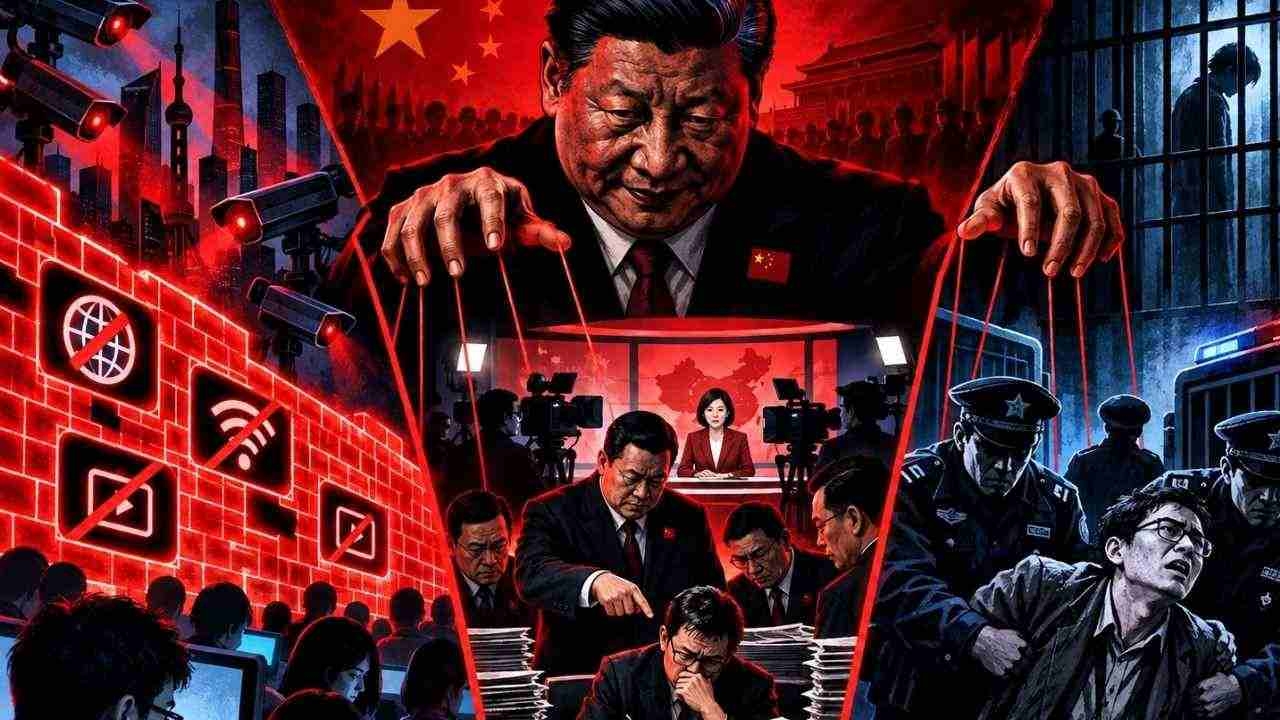
Across mainland China, Beijing controls public information through internet filtering, Communist Party oversight of media and legal penalties, restricting foreign platforms, shaping news coverage and discouraging journalists, activists and citizens from challenging official narratives.
China’s information-control system works at three levels. It restricts what citizens can access, determines what the media can publish and penalises those who challenge the official narrative.
The Great Firewall
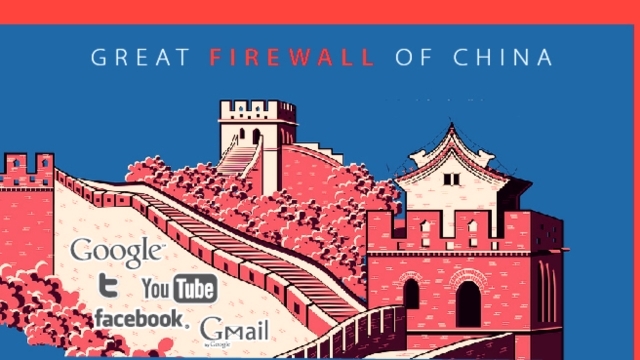
The Great Firewall is China’s nationwide system of internet censorship. It uses IP and website blocking, DNS manipulation, keyword filtering, deep-packet inspection and VPN disruption to monitor and control online activity.
Major international platforms such as Google, YouTube, Facebook and X, along with numerous foreign news websites, remain blocked in mainland China.
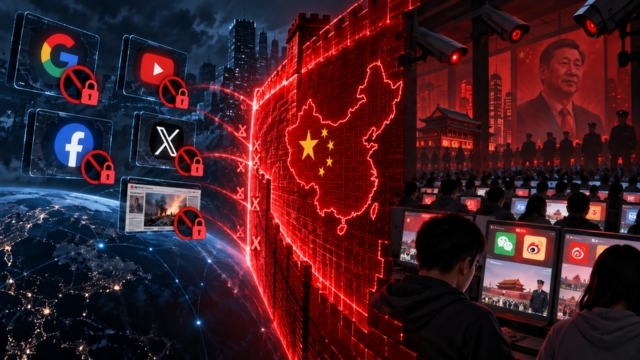
Technical research found that approximately 3,11,000 domains were affected by just one component of China’s DNS-censorship system. By limiting access to foreign platforms, Beijing keeps most citizens within closely regulated domestic services such as WeChat, Weibo and Baidu.
A Media System Under Party Control
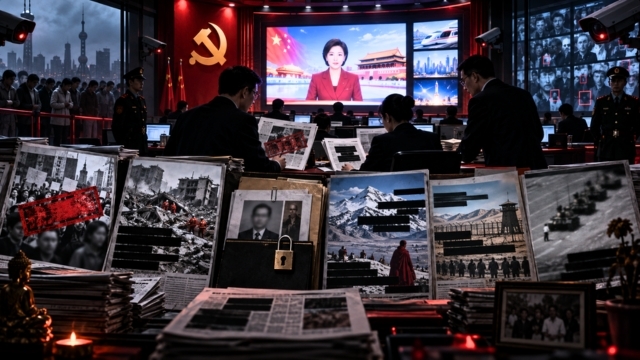
China has commercial media companies, but it does not have a genuinely independent national press. The Chinese Communist Party controls major television networks, newspapers and news agencies, while privately operated platforms must comply with official censorship directives.
Editors can receive instructions about which subjects may be covered, what language should be used, which reports must be removed and which official narratives should receive greater prominence. Authorities can also prevent politically sensitive incidents from becoming trending topics online.
As a result, reports concerning protests, major disasters, official corruption, Xinjiang, Tibet and the Tiananmen Square crackdown news are either delayed, restricted or presented almost entirely through government-approved sources.
Legal Punishment for Dissent
Technology companies are legally required to remove prohibited content and cooperate with Chinese authorities. The country’s cybersecurity law allows fines and other penalties against platforms that fail to remove material classified as illegal.
For Chinese citizens, journalists and activists, the consequences can be far more serious. They may face deleted accounts, loss of employment, police interrogation, surveillance, house arrest or detention.
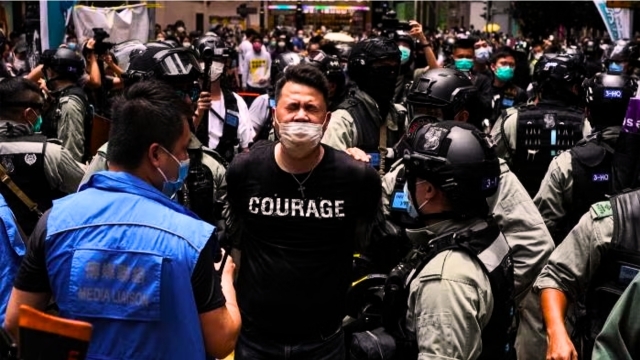
Authorities have also used broadly worded offences such as spreading “rumours,” “subversion” and “picking quarrels and provoking trouble” against government critics. National-security cases can result in lengthy prison sentences.
China remained the world’s leading jailer of journalists in 2025, with the Committee to Protect Journalists recording 50 imprisoned media workers.
Together, these three layers create a self-reinforcing system. The Great Firewall blocks competing information, Party-controlled media supplies the approved version of events, and the threat of punishment encourages journalists and ordinary citizens to censor themselves.
Written by

Mokshi jain
Sub-editor