Mao’s Influence Continues to Loom Large Half a Century After His Death
China continues to protect Mao’s reputation while growing admiration for him risks hiding the suffering caused by his policies
Total Views |


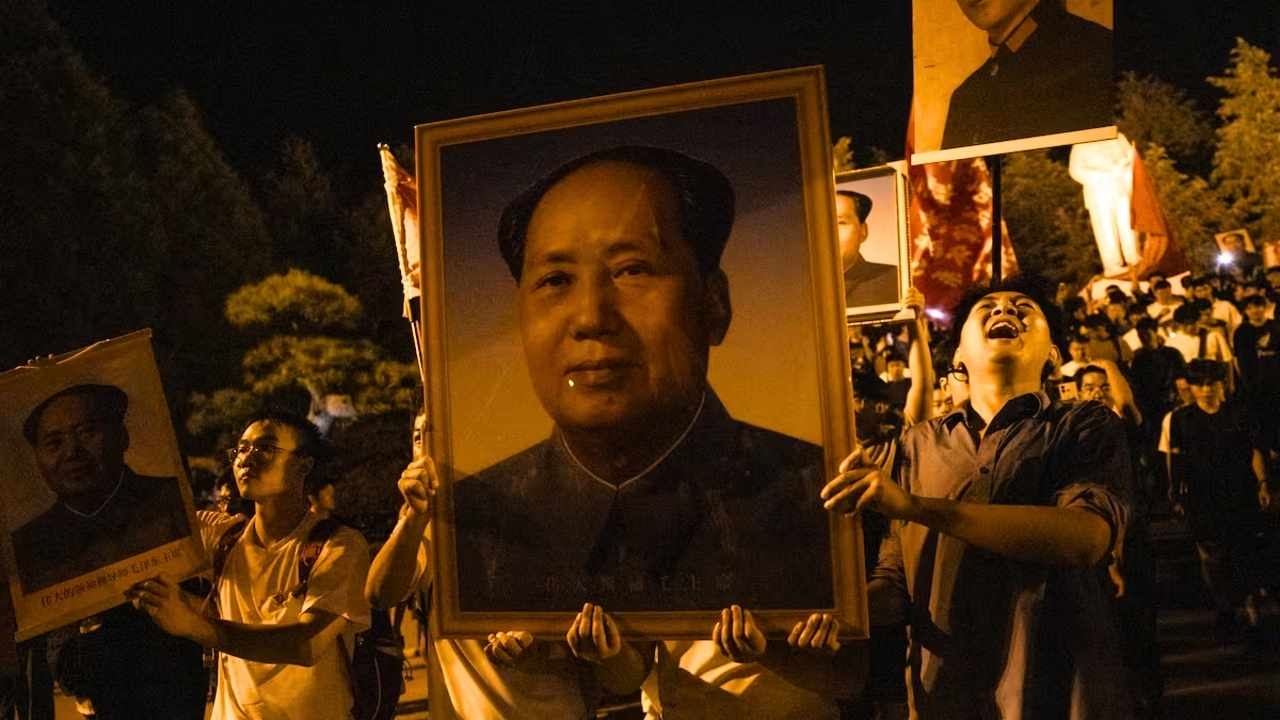
China observed the 50th anniversary of Mao Zedong’s death on 9 September 2026 with official commemorations and public gatherings. The occasion has prompted fresh reflection on the founder of the Communist regime and the continuing influence of his rule, even as some younger Chinese citizens invoke his name while expressing discontent with present-day leadership under Xi Jinping.
Mao died on 9 September 1976 at the age of 82. His passing helped bring an end to the Cultural Revolution, the mass campaign he initiated in 1966 that resulted in widespread violence, the suppression of religious and traditional practices, and the elimination of internal political opponents. From the establishment of the People’s Republic in 1949 until Mao’s death, political campaigns, forced labour and major famines produced 80 millions of unnatural deaths.
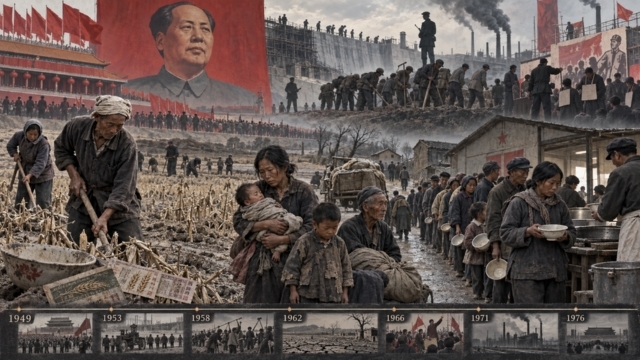
Independent assessments, including material published by, the overall figure of those who died from unnatural causes under CCP rule at roughly 80 million is higher than the combined fatalities of the two world wars. Historian Frank Dikötter’s work The Tragedy of Liberation estimates more than five million civilian deaths in the first eight years of Communist rule alone, arising from land reform, mass terror and political purges.
The Great Leap Forward (1958-1962), an ambitious drive to accelerate industrial and agricultural output, triggered the Great Chinese Famine. Collectivisation, diversion of labour and rigid central planning contributed to an estimated 40 million excess deaths and a sharp drop in births between 1959 and 1961.
After Mao’s death the Party publicly pinned primary responsibility for the Cultural Revolution on the “Gang of Four,” which included his wife. The 1981 Party resolution that evaluated Mao’s record settled on a formula of “70 per cent achievement and 30 per cent error,” thereby protecting his symbolic status while limiting further open criticism.
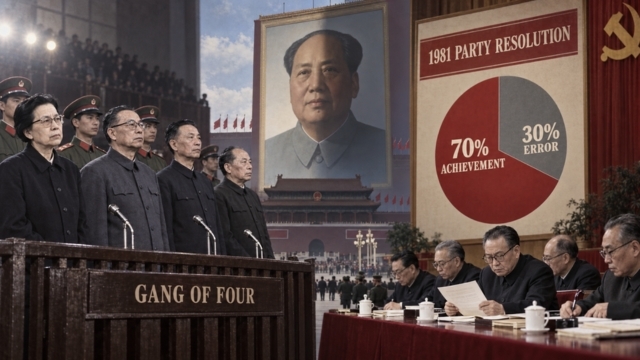
Analysts argue that this carefully calibrated judgement remains essential to the regime’s self-legitimacy. Feng Chongyi of the University of Technology Sydney notes that cults of personality and concentrated power are common features of totalitarian systems, whether of the right or the left.
Sheng Xue, a Canada-based writer and activist, contends that a full reckoning with Mao’s record would amount to an admission that the Party itself bears responsibility for systemic crimes from its inception. Both observers describe the official 70–30 assessment as a deliberate avoidance of deeper questions about the nature of the political system.
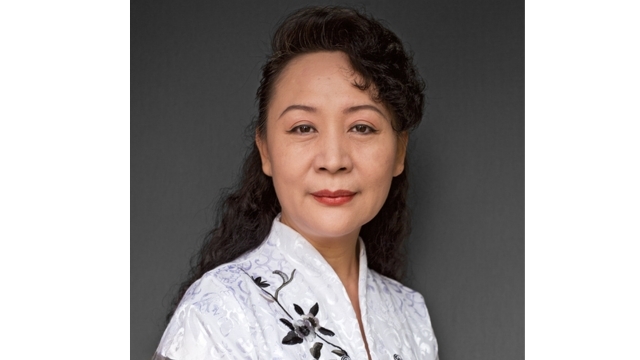
Despite the personal cost his own family paid during the Cultural Revolution, his father was purged, the family house was ransacked and a teenage Xi was sent to the countryside for “re-education”, Xi Jinping has revived several practices associated with the Mao era. These include tighter ideological controls, expanded censorship, experiments with collective forms of organisation and efforts to relocate unemployed young people to rural areas.
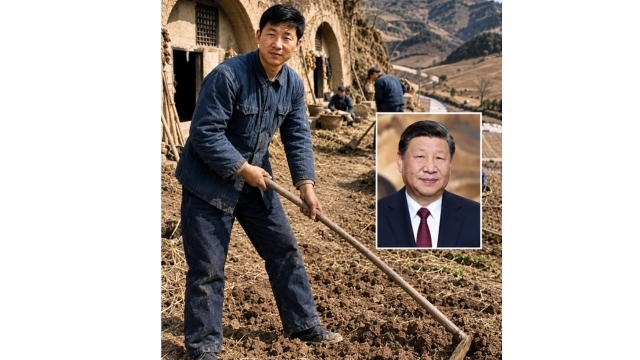
Sheng Xue characterises Xi’s approach as an attempt not merely to imitate Mao but to exceed him, positioning China as a global rather than merely a Third-World leader. Feng Chongyi sees the shift as a hard-line response to the social and intellectual openness that followed the earlier “Reform and Opening Up” period, a response he regards as contrary to broader historical trends and to the preferences of many Chinese citizens.
Economic pressures have reinforced a paradoxical nostalgia among some younger people. Official statistics recorded an urban unemployment rate of 17.9 per cent for the 16–24 age group (excluding students) in July, with independent estimates suggesting the true figure may exceed 40 per cent.
In conditions of high youth joblessness and widening inequality, the relative material equality of the Mao years however austere has acquired a certain retrospective appeal for a minority. Memorial activities took place at Mao’s mausoleum in Beijing and at the bronze statue square in Shaoshan, his birthplace in Hunan province, drawing both older citizens and members of the post-1990 and post-2000 generations.
_202609151149258502_H@@IGHT_360_W@@IDTH_640.jpg "IMAGE 4 (1)")
Sheng Xue describes the public veneration as deeply troubling, given the scale of human loss associated with Mao’s rule, while noting that totalitarian controls continue to shape the boundaries of permissible thought. Feng Chongyi observes that, with open protest heavily restricted and digital surveillance tools widely deployed, citizens resort to quoting Mao himself as a means of criticising contemporary leadership which is also an ironic and constrained form of dissent.
The anniversary therefore underscores both the endurance of Mao’s symbolic totalitarian regime and the unresolved tensions within Chinese society half a century after his death.
Written by
Kewali Kabir Jain
Journalism Student, Makhanlal Chaturvedi National University of Journalism and Communication