From Assam to West Bengal: Inside the BJP Crackdown on Illegal Madrasa
How inspections across four states are bringing illegal madrassas under the rule of law
Total Views |


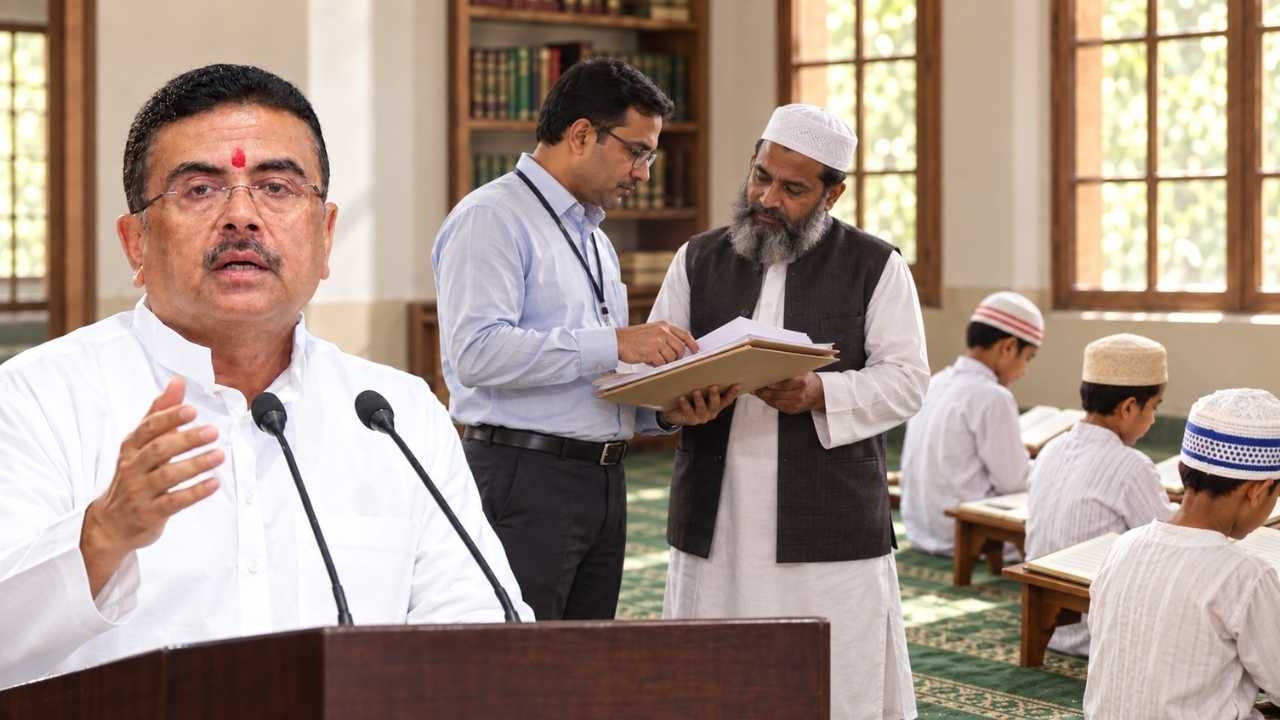
BJP-led governments across four states are tightening oversight of unrecognised madrasas through closures, recognition drives and curriculum reforms intended to provide students with lawful, mainstream education.
In a series of decisive administrative measures across several states, BJP-led governments have intensified efforts to regulate unrecognised madrasas, prioritising mainstream education, infrastructure standards and national security. The latest developments in West Bengal and Uttarakhand build on earlier structural reforms in Assam and ongoing enforcement in Uttar Pradesh, reflecting a consistent policy of ending the free run of institutions operating outside the legal framework.
West Bengal’s statewide survey yields firm action
The West Bengal government recently ordered the closure of 252 madrasas and issued show-cause notices to another 100 after a comprehensive survey by the Minority Affairs and Madrasah Education Department. The exercise, launched in June, examined both government-aided and private institutions, with special focus on Khariji madrasas that rely on donations and charitable trusts rather than state funding.
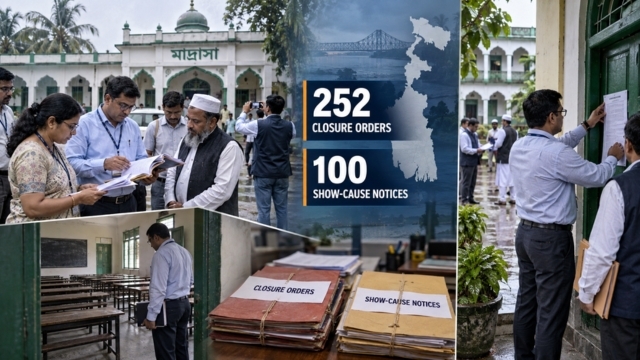
District administrations reported that nearly 2,400 madrasas were functioning without registration. Authorities have clarified that institutions possessing valid approvals and meeting basic infrastructure and academic norms will continue. Minister Kshudiram Tudu stated that the survey was intended to distinguish authorised centres from those operating without permission. He emphasised the government’s desire that madrasa students receive modern, mainstream education comparable to that available in regular schools so they can compete and succeed in wider society.
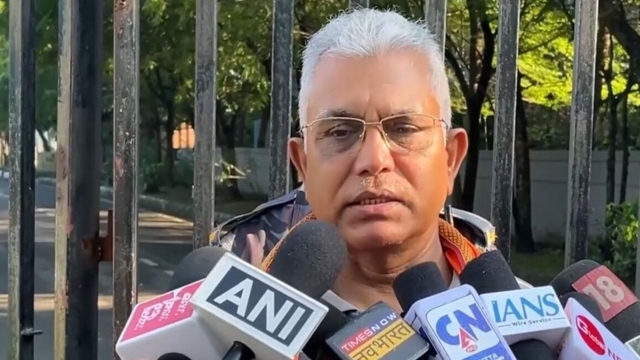
The highest numbers of closure notices came from Malda, North Dinajpur, South 24 Parganas, Murshidabad and Nadia. Alongside regulatory concerns, officials cited intelligence inputs and public complaints about anti-national propaganda in some institutions. Panchayati Raj Minister Dilip Ghosh noted instances of individuals linked to certain seminaries being arrested for extremist activities, while stressing that legally compliant madrassas face no threat.
Uttarakhand replaces the old board with a unified minority education authority.
Uttarakhand has followed a parallel path of regulatory consolidation. Recent action has brought the number of discontinued madrasas to 170+ sealed after written undertakings from their management. Institutions in Dehradun and Haldwani were among those sealed for lacking recognition documents.
The state has gone further by abolishing its statutory Madrasa Board in July 2026 and establishing the Uttarakhand State Authority for Minority Education. This body now oversees educational institutions of all six notified minority communities under a single framework. Roughly 200 unrecognised madrasas have ceased operations statewide, while more than 100 have applied for recognition. In Haridwar alone, a significant proportion of the earlier 269 institutions have either shut down or sought formal approval.
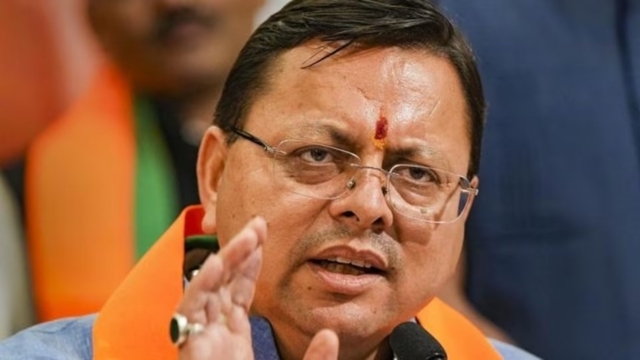
Chief Minister Pushkar Singh Dhami has repeatedly asserted that no educational institution should function without recognition and compliance.
Officials have ensured that children from closed centres are shifted to nearby recognised schools or madrasas so that their studies continue without interruption. The policy aims to guarantee quality modern education for minority students while ending the parallel, unregulated system.
Assam’s pioneering restructuring
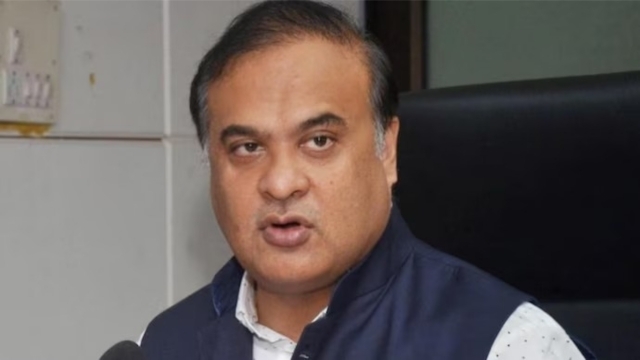
Assam began the process years earlier. In December 2020 the state assembly abolished government-run madrasas, ending state funding for religious education and converting the institutions into general schools. The State Madrasa Education Board was disbanded. Then Education Minister Himanta Biswa Sarma argued that students deserved opportunities for mainstream careers and cited survey findings that a large majority preferred general education.
By March 2023 the Chief Minister stated that 600 madrasas had already been closed and indicated further action. Additional closures followed consensus discussions involving the state government, police and community representatives. In December 2023, 1,281 former government and provincialised madrasas were formally renamed Middle English schools across 21 districts.
Religious subjects were removed from the curriculum while the institutions continued as regular schools under the state board. Assam’s approach thus combined conversion of publicly funded centres with regulation of private ones, insisting that science, mathematics and other modern subjects form part of any recognised curriculum.
Uttar Pradesh’s border-focused enforcement
In Uttar Pradesh, action against unaided madrasas has been integrated into a broader campaign against encroachments on government land, particularly in districts along the India-Nepal border such as Bahraich, Shravasti, Balrampur, Pilibhit, Lakhimpur Kheri, Maharajganj and Siddharthnagar. Joint teams have removed unauthorised structures, including mosques, eidgahs and madrasas. Earlier phases saw at least 20 such religious institutions cleared within a 15-kilometre border belt, with Shravasti reporting action against 17 illegal madrasas.
The state government has maintained that the drive targets illegal occupation of public land and unrecognised institutions, not legally functioning madrasas. Officials have linked the effort to concerns over demographic shifts and unauthorised constructions in sensitive border areas.
Taken together, these measures in West Bengal, Uttarakhand, Assam and Uttar Pradesh demonstrate a clear policy direction under BJP governments: educational institutions of every community must operate within the law, meet infrastructure and academic standards, and prepare students for the opportunities of contemporary India. Unregulated centres that evade registration, neglect modern subjects or become vehicles for anti-national activity have no place in a constitutional republic.

Students from affected institutions are being absorbed into the mainstream school system so that their education continues uninterrupted and they are provided the education which may aid their future and may contribute to Bharat’s growth.
These measures aim to replace unregulated madrasas with accountable institutions that follow legal and academic standards. Bringing students into mainstream education can expand their opportunities while strengthening transparency, social integration and national security.
Written by

Kewali Kabir Jain
Journalism Student, Makhanlal Chaturvedi National University of Journalism and Communication