From Rebuilding Gujarat to Viksit Bharat: 25 Years of Decisive Governance
The Seva Sankalp Abhiyan marks 25 years of PM Narendra Modi’s journey from rebuilding Gujarat to shaping the vision of Viksit Bharat 2047
Total Views |


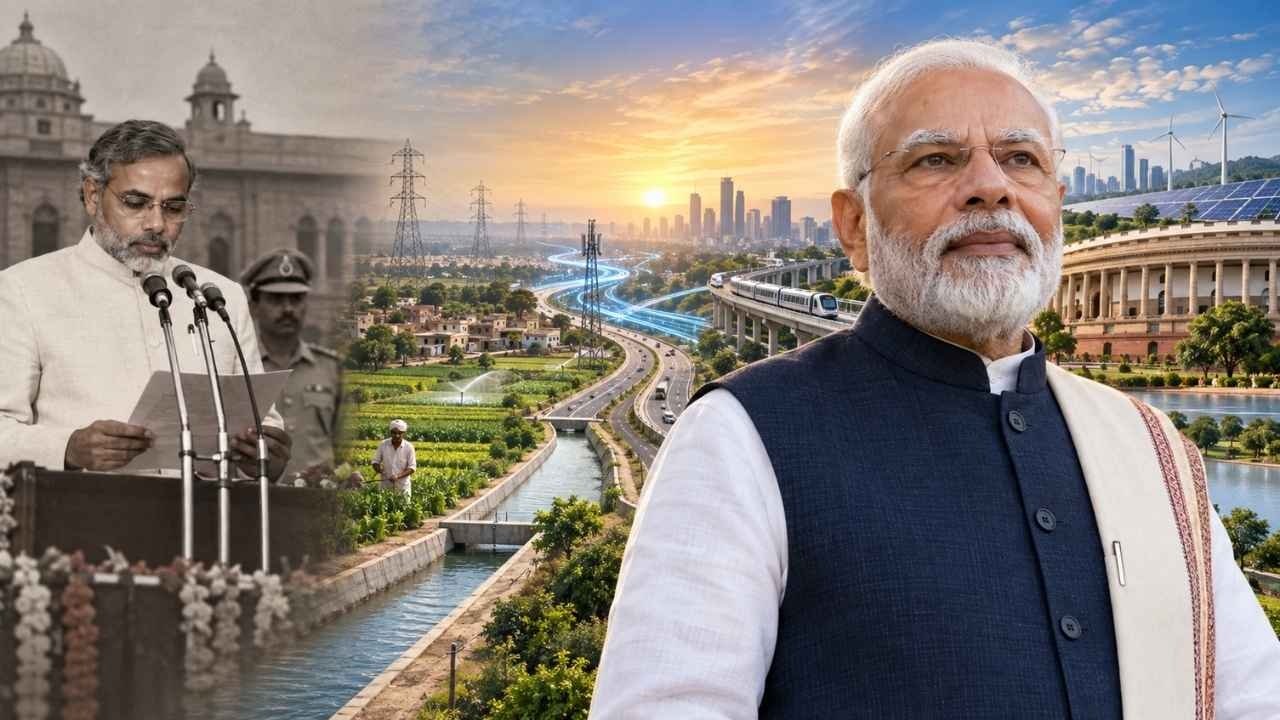
Marking honourable Prime Minister Narendra Modi’s 25 years in executive office, the Seva Sankalp Abhiyan celebrates a journey from Gujarat’s development model to nationwide welfare delivery, digital transformation and the goal of building a developed India by 2047.
Twenty-five years of unbroken executive authority is rare in any democracy. On 7 October 2001, Narendra Modi took the oath as Chief Minister of Gujarat. On 26 May 2014 he assumed charge as Prime Minister of India. That unbroken arc from earthquake-scarred Gujarat to the national stage now stands as one of the most consequential periods of leadership independent India has witnessed.
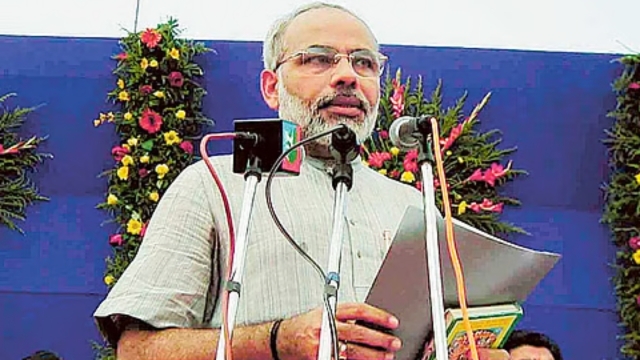
The Seva Sankalp Abhiyan, running nationwide from 17 September to 17 October 2026, marks this milestone not as nostalgia but as a forward-looking mobilisation. It carries the government’s welfare record and the larger national resolution of Viksit Bharat 2047 down to the booth level. September 17, the Prime Minister’s birthday, is observed as Seva Diwas. October 7 marks exactly 25 years since he first assumed high executive office. The campaign closes on 17 October with a clear Sankalp: The next phase of national transformation.
Gujarat: The Laboratory That Became the Model
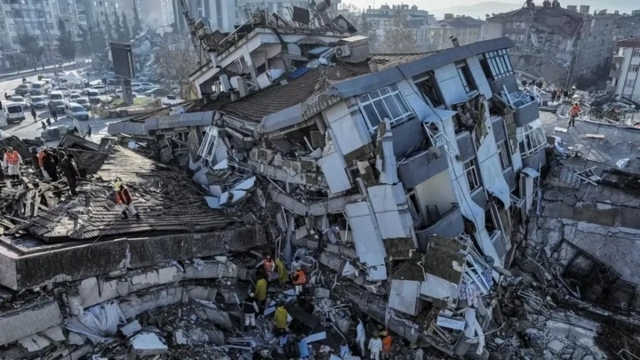
One of Narendra Modi’s first major challenges as Gujarat’s Chief Minister was rebuilding the state after the devastating Bhuj earthquake of 26 January 2001. Although reconstruction had already begun before he took office in October, his administration oversaw much of the long-term recovery. The focus gradually expanded beyond rebuilding homes and infrastructure to improving electricity, irrigation, water conservation, agriculture and investment across Gujarat.
Jyotigram Yojana transformed rural electricity supply. Aggressive water management and agricultural initiatives strengthened the rural economy. The Vibrant Gujarat Summit emerged as a platform that projected the state as an investment destination and repeatedly delivered results. By the time Narendra Modi moved to Delhi, the combination of infrastructure, administrative efficiency and last-mile delivery had earned the shorthand “Gujarat model.” In 2014 that model went national.
National Scale, Last-Mile Reach
Once in office as Prime Minister, the government launched a series of programmes designed to bring ordinary citizens into formal systems of banking, sanitation, healthcare, housing, digital services and social security. The underlying approach has remained consistent: identify the practical problems faced by citizens and build delivery mechanisms capable of reaching the last-mile delivery.
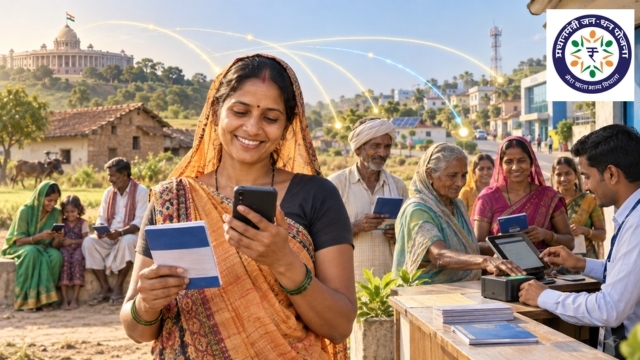
Jan Dhan Yojana expanded formal banking dramatically. From 14.72 crore accounts in 2015 the figure stood at 59.09 crore by mid-August 2026, with nearly 46 crore accounts in rural and semi-urban areas and more than 32.9 crore accounts held by women. Deposits rose from ₹15,670 crore to ₹3.16 lakh crore. Direct Benefit Transfer (DBT) became possible at scale, cutting out layers of intermediaries.
Swachh Bharat Mission shifted sanitation from a neglected development issue to a national priority. Rural sanitation coverage, around 39 per cent in 2014, was reported at 100 per cent by 2019 after construction of more than 10 crore individual household toilets. By March 2025, over 5.86 lakh villages had been covered and more than 5.64 lakh had declared themselves ODF Plus. The programme reframed sanitation as a matter of dignity.
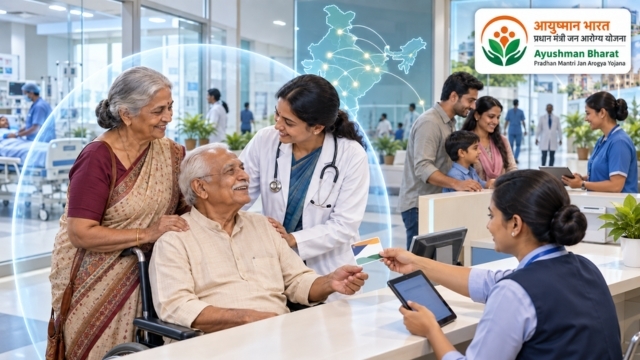
Ayushman Bharat addressed the catastrophic financial risk of hospitalisation. Coverage expanded from the original 10.74 crore families to 12 crore, with further inclusion of all citizens aged 70 and above approximately six crore senior citizens from 4.5 crore families. By 30 June 2026 the scheme had recorded 29.05 lakh inter-state hospital admissions involving expenditure of more than ₹8,383 crore. Healthcare protection moved from privilege to entitlement for large sections of the population.
Digital India built the public digital infrastructure that now underpins everyday governance and commerce. By early 2026 nearly 2.15 lakh Gram Panchayats were connected under BharatNet, with almost seven lakh kilometres of optical fibre laid. Broadband subscribers crossed 106 crore. Aadhaar enrolments exceeded 144 crore and DigiLocker registered more than 70 crore users. UPI recorded over 24,162 crore transactions in 2025-26. Payments that once required cash, queues or paperwork are now completed in seconds.

Complementary missions Jal Jeevan for piped water, Ujjwala for clean cooking fuel, PM Awas for permanent housing, Mudra for credit to small entrepreneurs, and Startup India for the innovation ecosystem extended the same logic into households and local enterprises.
Seva Sankalp: From Achievement to Resolve
The month-long Abhiyan is structured around public participation rather than mere display. Seva Diwas features blood donation and hospital outreach. Beneficiary families light lamps at 7 pm. Schools host “India of My Dreams” painting programmes. Street theatre under “Namo Seva Untold Stories” turns lived experience into public narrative. Anganwadi centres become venues for community engagement. Additional elements include Seva Ki Kahani, Seva Jyoti Kalash Yatra, the Vadnagar-to-Varanasi Yatra, Seva Setu, Colors of Seva, the Seva First Innovation Challenge and Good Governance Seva Dialogue.
The political symbolism is deliberate. Twenty-five years of continuous executive responsibility are presented as the foundation for the next national goal: Viksit Bharat by 2047 a developed, self-reliant, economically powerful and globally influential India at the centenary of Independence.
From earthquake reconstruction in Gujarat to national digital public infrastructure, from Jan Dhan accounts to UPI, from household toilets to Ayushman coverage, the record is one of scale and continuity. Supporters see in it a decisive shift: governance that reaches the last mile, reduces dependence on middlemen, and converts state capacity into tangible improvement in ordinary lives.
On 17 September 2026 Honourable Prime Minister Narendra Modi turned 76. On 7 October the 25-year mark was reached. The Seva Sankalp Abhiyan invites citizens not only to recall the distance travelled but to assess the changes that have arrived in their own homes and to join the resolve for the journey ahead.
Written by
Kewali Kabir Jain
Journalism Student, Makhanlal Chaturvedi National University of Journalism and Communication