What China Doesn’t Want the World to See
Behind China’s image of economic strength and technological progress lies a tightly controlled system accused of censoring information, suppressing dissent and limiting scrutiny of Xinjiang, Tibet and Hong Kong.
Total Views |


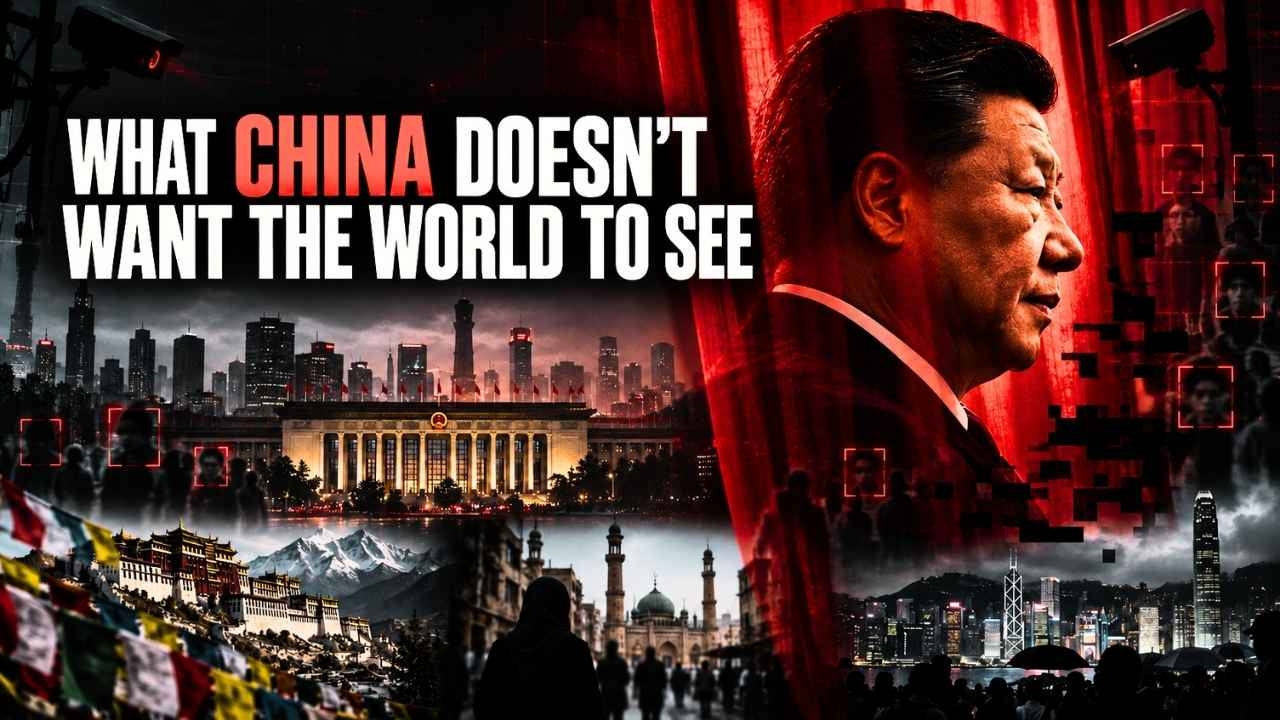
China has become an economic and technological power whose rise has transformed global trade and lifted millions from poverty. Yet behind this success, the Chinese Communist Party maintains extensive control over the media, internet and political expression. Through censorship, surveillance and restrictions on independent access, Beijing can influence what its citizens know and which version of China reaches the outside world.
The Great Firewall and Information Control
China operates one of the world’s most extensive internet-censorship systems. Google, YouTube, Facebook, Instagram, X and several international news websites remain blocked without circumvention tools.
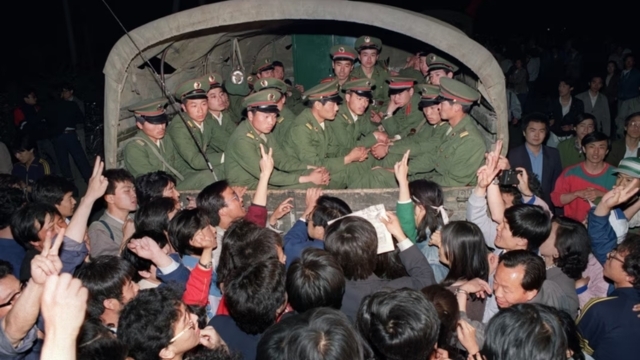
Domestic platforms removed politically sensitive material, including criticism of Communist Party leaders, sensitive discussion of the 1989 Tiananmen Square crackdown and content concerning Uyghur or Tibetan rights. Accounts can be suspended, while activists and citizen journalists may face police action.
Researchers also reported increased regional censorship in Henan, where millions of domains were blocked at different points between November 2023 and March 2025. The findings suggested that local authorities may be creating additional layers of control beyond China’s national firewall.
Such censorship does not merely remove individual reports. It allows the state to influence public memory by determining which events can be discussed and which gradually disappear.
Xinjiang and the Uyghur Question
Former detainees, researchers and human-rights organisations have reported arbitrary detention, political indoctrination, surveillance, restrictions on religious practices and family separation in Xinjiang.
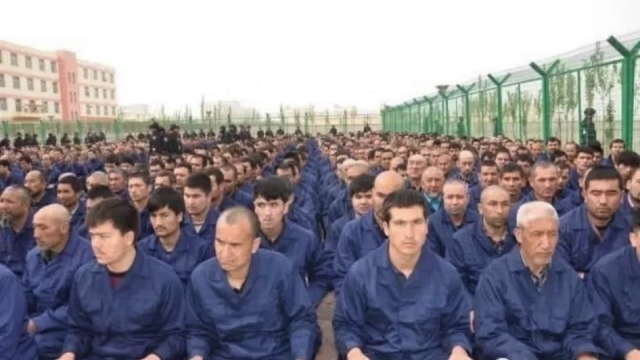
A 2022 assessment by the UN Human Rights Office found that serious human-rights violations had occurred in the region. It said the scale of arbitrary and discriminatory detention of Uyghurs and other predominantly Muslim communities might constitute crimes against humanity.
Beijing rejects these allegations. It says the facilities were vocational education centres established to counter terrorism and extremism while reducing poverty. However, restrictions on independent access make outside verification difficult, while government-organised visits generally follow controlled routes.
Tibet and the Battle Over Identity
China presents new roads, schools, hospitals and railways as evidence of Tibet’s development. Critics argue that this modernisation has been accompanied by tighter restrictions on religion, language and cultural expression.
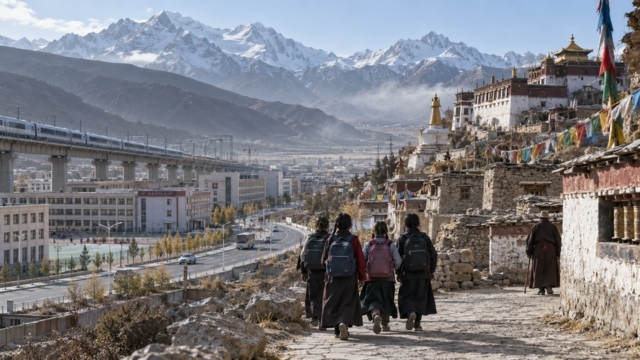
The residential-school system has caused particular concern. UN experts and rights groups say large numbers of Tibetan children attend boarding schools away from their families. Critics fear that Mandarin-centred instruction and political education could weaken Tibetan identity.
China denies pursuing forced assimilation. It argues that residential schools provide modern education to children living in remote and widely dispersed communities. Authorities also maintain that Tibetan language and culture remain part of school instruction.
Hong Kong’s Shrinking Political Space
Hong Kong once had relatively open media, large public demonstrations and an active opposition. That political space has narrowed since Beijing introduced the National Security Law in 2020.
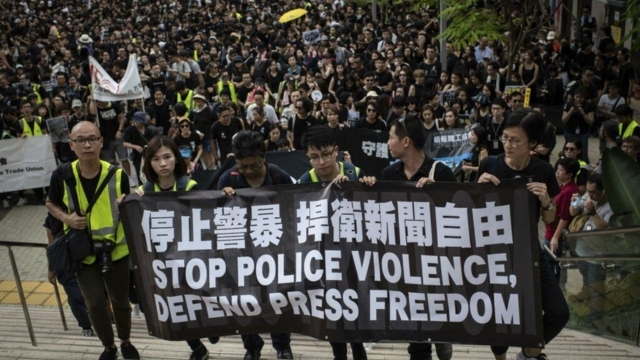
Pro-democracy organisations have dissolved, newspapers have closed and activists have faced prosecution. Public commemorations of the Tiananmen crackdown have also disappeared.
Authorities say the law restored stability after the unrest of 2019 and targets secession, subversion, terrorism and foreign interference. Critics argue that its broad provisions have weakened freedoms promised under the “one country, two systems” arrangement.
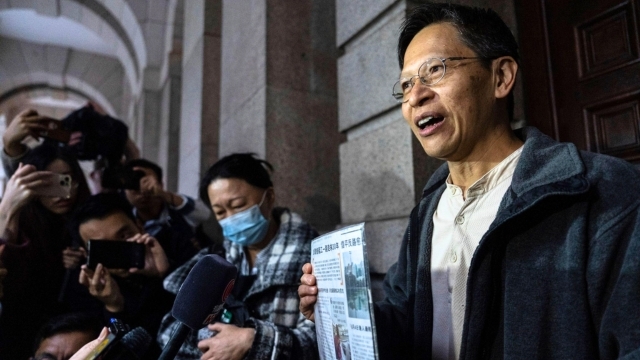
In March 2025, Hong Kong’s highest court overturned the convictions of three former members of a group that organized the Tiananmen vigil. The judge ruled that withheld prosecution evidence had resulted in an unfair trial, providing a rare legal victory for the pro-democracy movement.
Surveillance and Self-Censorship
Facial recognition, real-name registration, mobile-phone monitoring and large-scale data collection allow Chinese authorities to track people and their social networks. These technologies may support crime prevention, but without independent oversight, they can also monitor religious communities, identify protesters and intimidate critics.
The result is preventive control. People may censor themselves because they assume their messages, movements and contacts can be examined later.
What China seeks to keep beyond public scrutiny is not one isolated secret but an entire system of information control. Censorship removes inconvenient facts, surveillance discourages dissent and restricted access limits independent verification.
China’s development achievements are real, but the story remains incomplete without the voices of Uyghurs, Tibetans, Hong Kong activists, journalists and ordinary citizens unable to speak freely. The deeper question is how much of this reality the world is prepared to overlook in exchange for trade, investment and political access.