No More Lal Salaam: Bengal’s Radical Left Under Fire
From Maoist murals to separatist slogans, Sevundu Adhikari is confronting Bengal’s radical Left ecosystem.
Total Views |


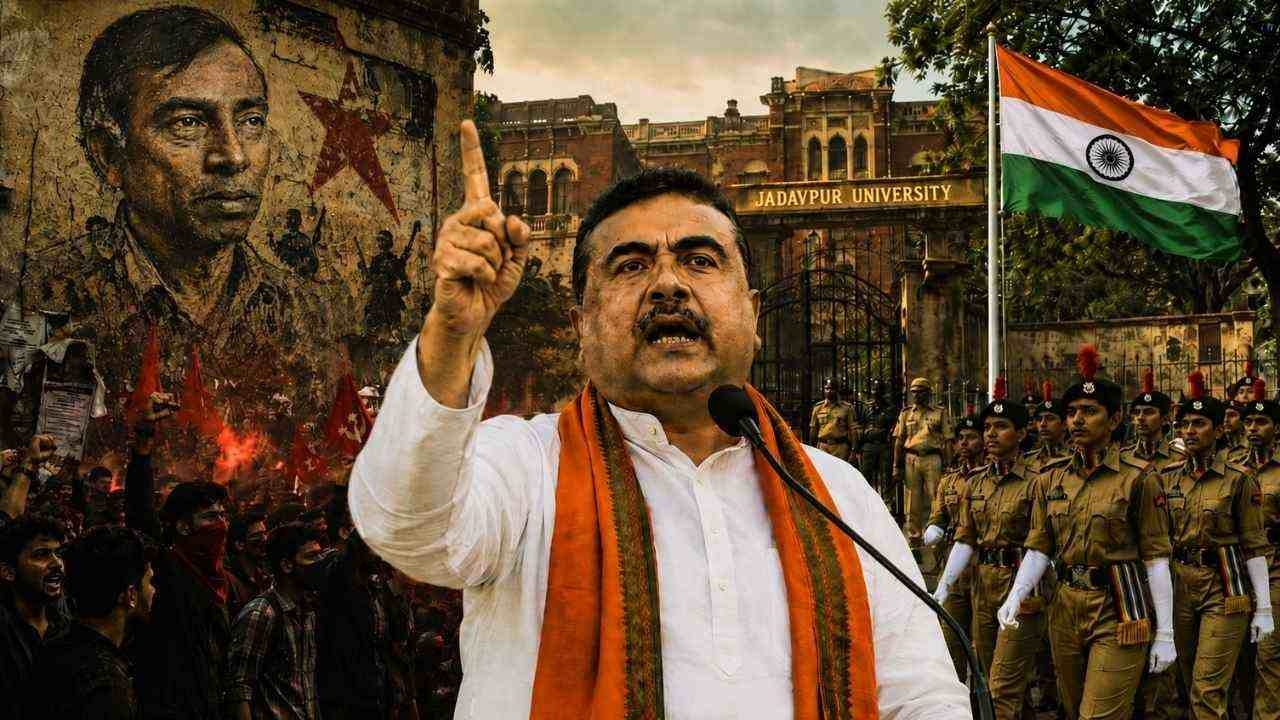
Suvendu Adhikari has stepped up his attack on Maoist symbolism and separatist slogans in Bengal, particularly at Jadavpur University, linking the ideological battle to the wider fight against Left-Wing Extremism.
West Bengal Chief Minister Suvendu Adhikari has intensified a campaign to dismantle the residual structures of Left political violence and the ideological ecosystem that has sustained for decades.
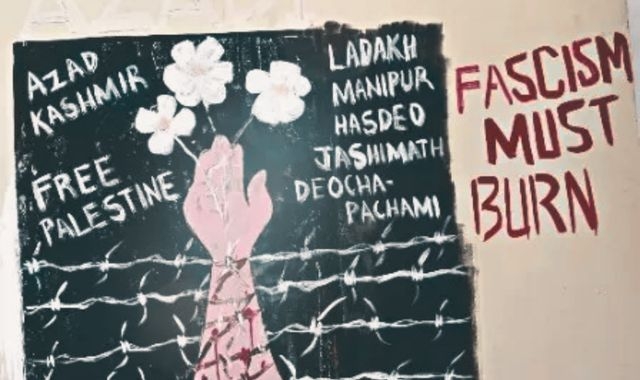
His recent remarks at a Raksha Bandhan programme in Bhawanipur, targeting the “Lal Salam Kishenji” mural at Jadavpur University, “Azadi” slogans, Kashmir separatism rhetoric, and “Free Palestine” messaging, form part of a strategy at which is activated at both state and central levels to neutralise physical Left extremism while systematically confronting “Dimagi Naxalism” and the imported, divisive wokeism that seeks to fracture India’s social and national fabric.
Legacy of Left Violence and Its Echoes
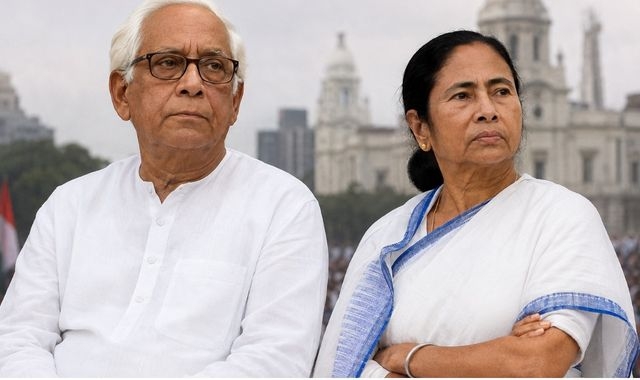
For over decades under CPI(M) then TMC led rule, West Bengal has witnessed systematic political violence, cadre-based intimidation, and the infiltration of campuses by Maoist, radical Left networks and Islamic Academic infiltrators.
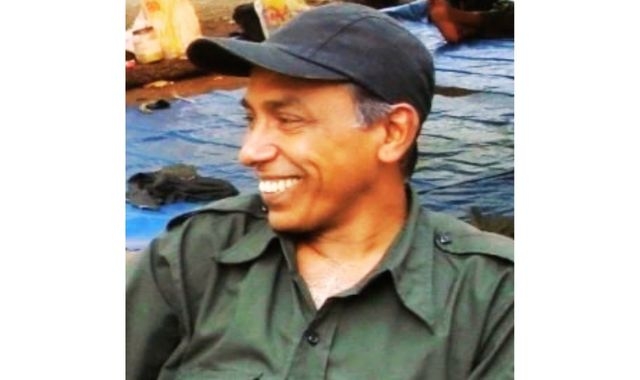
The peak of organised Left extremism included the Naxalite movement of the late 1960s-1970s and later Maoist operations. Koteswara Rao, better known as Kishenji, a senior CPI (Maoist) leader, operated extensively in the Jangalmahal region before being killed in a police encounter in November 2011.
His glorification through murals on university walls, particularly at Jadavpur University’s arts faculty, symbolised the continued romanticisation of armed rebellion against the Bharat.
Adhikari has publicly rejected this narrative. He has stated there should be “no more ‘Lal Salaam’ for Kishenji” and questioned what message such symbols convey to a new generation. He has simultaneously opposed “Azadi” slogans on Kolkata streets and campus walls, arguing that such demands in India, especially those referencing Kashmir, undermine national integrity.
He has linked these to broader forces seeking to “break India” and has called instead for focus on Pakistan-occupied Jammu and Kashmir (PoJK). Parallel concerns about drug presence on campuses and the occupation of hostels by former students reflect an administrative push to restore order in educational institutions having left’s presence.
State-Level Actions Under Adhikari and BJP Leadership
Adhikari has explicitly rejected Maoist iconography and separatist slogans on campuses, issued clear warnings of police action against certain “Azadi” formulations particularly those demanding ‘Azad Kashmir’, and announced efforts to expand the National Cadet Corps (NCC) across schools and colleges in West Bengal to instil discipline and patriotic values.
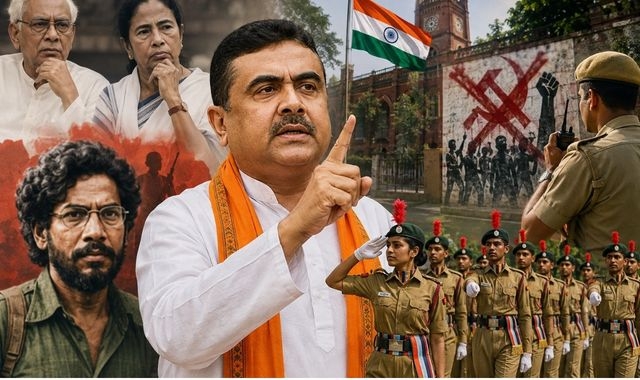
At the same time, he has strongly criticised objections to the full version of Vande Mataram, written by Bankim Chandra Chattopadhyay, framing such resistance as an attack on national symbols, while focusing on reclaiming Bengal’s cultural and freedom-struggle heritage by invoking figures from Netaji Subhas Chandra Bose and Matangini Hazra to Chaitanya Mahaprabhu and Ramakrishna Paramahamsa, against narratives that prioritise class war or identity fragmentation.
Central Government’s Systematic Drive Against Naxalism and Ideological Extremism:
At the national level, the Narendra Modi government has pursued a security strategy that has produced measurable results against Left-Wing Extremism (LWE).
Official data from the Ministry of Home Affairs shows a sharp decline in violence:
Incidents of LWE violence fell dramatically over the past decade.
The number of districts affected by Naxalism has vanished substantially through sustained operations, surrender and rehabilitation policies, and infrastructure development in affected areas.
Security forces have neutralised key leadership figures and disrupted logistics and recruitment networks.
The government has also targeted the ideological support system of the “Urban Naxals” or Dimagi Naxals who provide intellectual cover, funding channels, propaganda, and recruitment pipelines for violent groups. Enforcement agencies have invoked existing legal provisions, including the Unlawful Activities (Prevention) Act (UAPA), to investigate networks that blend activism with subversive activity.
The focus has been on organisations and individuals promoting narratives that delegitimise the Indian state, romanticize Maoist violence, or amplify separatist claims under the guise of human rights or free speech.
The central government has countered such tendencies through consistent affirmation of constitutional patriotism and the civilisational continuity of Indian nationhood, educational and cultural initiatives that emphasise national integration over grievance-based fragmentation, legal and administrative scrutiny of activities that cross from protest into incitement or support for designated terrorist organisations, and public messaging that distinguishes legitimate criticism from efforts to undermine territorial integrity or social cohesion.
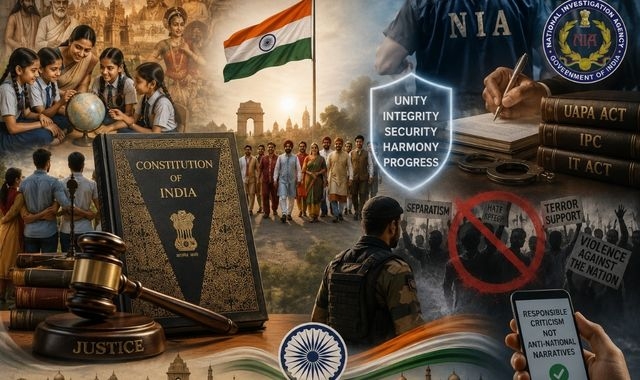
Suvendu Adhikari’s interventions at Jadavpur University and in the public discourse of West Bengal represent the state-level expression of a national strategy. Left Wing Extremism (LWE) has been significantly finished through security operations and development. The remaining challenge of ideological war with the persistence of symbols, slogans, and campus cultures that normalise hostility to the Indian state and promote divisive global templates of “oppressor versus oppressed.”
By rejecting Maoist glorification, challenging separatist rhetoric, expanding patriotic institutions such as the NCC, and defending national symbols, Adhikari and the BJP seem to be working for long decades against Left cultural hegemony in Bengal while the Centre continues to shrink the operational space of Naxal groups.
Written by
Kewali Kabir Jain
Journalism Student, Makhanlal Chaturvedi National University of Journalism and Communication