How Left-Wing Networks Turned an IIT Bombay Student’s Death into a Caste Campaign
From examination malpractice to manufactured caste war: How radical leftist groups are polarizing IIT Bombay
Total Views |


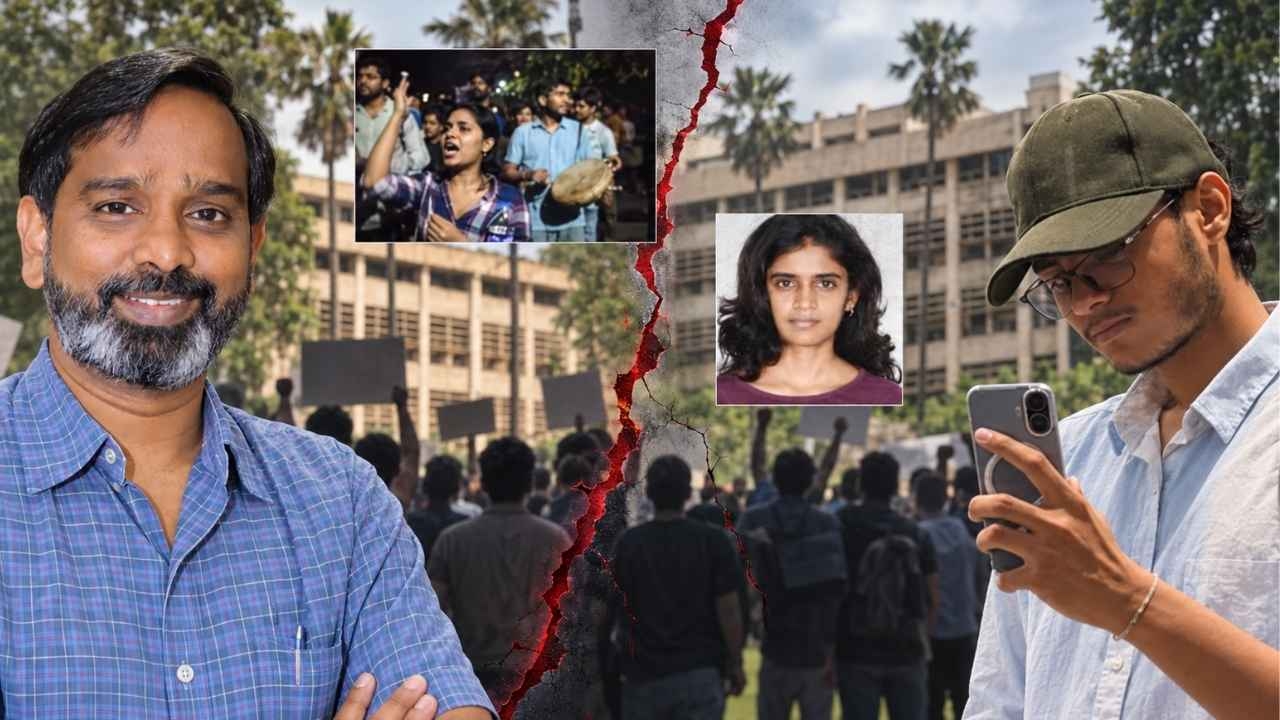
In the aftermath of a tragic suicide at the Indian Institute of Technology Bombay, a familiar pattern of ideological mobilisation has emerged. What began as a case of a student caught during an examination has rapidly been reframed by certain leftists as an instance of systemic caste oppression, with organised efforts underway to intensify polarisation on the premier institute’s grounds.
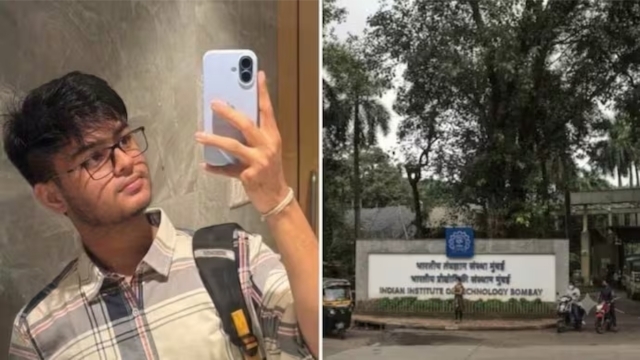
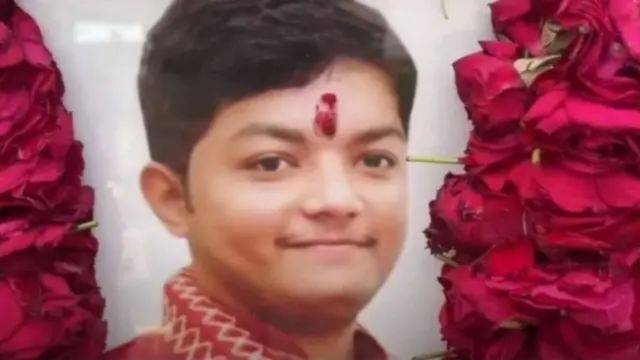
On 18 September 2026, second-year BTech student Sahil Wakode ended his life in his hostel room. The incident followed his being apprehended by Professor Suryanarayana Doolla while attempting to cheat in a mid-semester examination. Within days, large-scale protests erupted on campus. Students pressed for strong action against the faculty member.
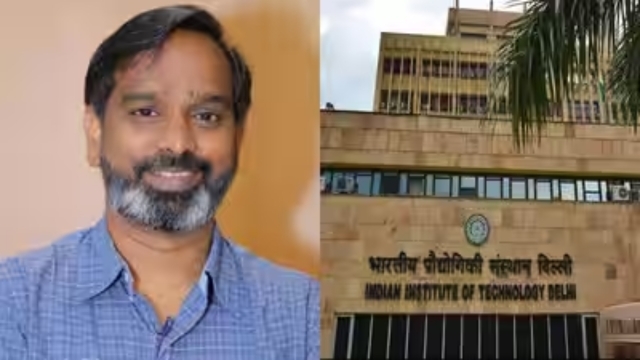
The institute administration responded on 21 September by suspending Professor Doolla’s deanship with immediate effect, a step which was formally communicated by Director Professor Shireesh Kedare and listed among the demands in an 18-point charter accepted by the administration.
Parallel to these administrative measures, Sahil’s parents publicly alleged that the professor had subjected their son to sustained mental harassment and casteist remarks over three months, purportedly at the direction of the director. These claims of caste discrimination quickly became the focal point for a section of student activists who have long specialised in identity-based mobilisation.
Faces Behind the Protest Drive
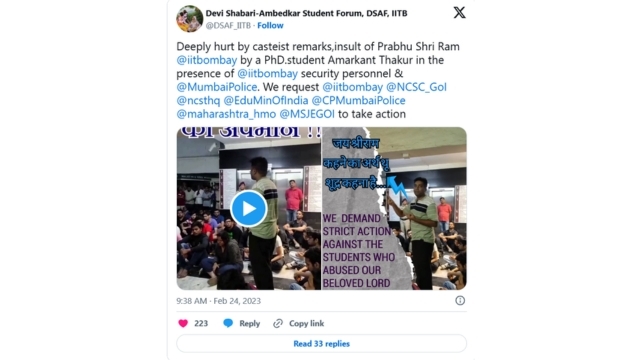
Prominent among those leading the demonstrations is Amarnath Thakur, a PhD scholar in Philosophy at IIT Bombay who earlier completed an MA at the same institute. Thakur has actively framed the suicide through a caste lens, seeking to insert narratives of historical oppression into an episode that originated in academic misconduct. His earlier record is revealing. Following the 2023 death of first-year student Darshan Solanki, Thakur similarly sought to interpret the tragedy as evidence of Brahminical dominance.
In recorded addresses to fellow students, he characterised Indian society and the university administration as inherently “Brahminical,” claimed that the central government shared the same orientation, and argued that everyday cultural practices including the chanting of “Jai Shri Ram” bind individuals within a hierarchical mindset that elevates certain groups while demeaning others. Such rhetoric has repeatedly sought to manufacture intra-Hindu fault lines rather than address the immediate circumstances of individual tragedies.
Another visible participant is Huma Namal, a 2022-batch PhD student in the Humanities department.
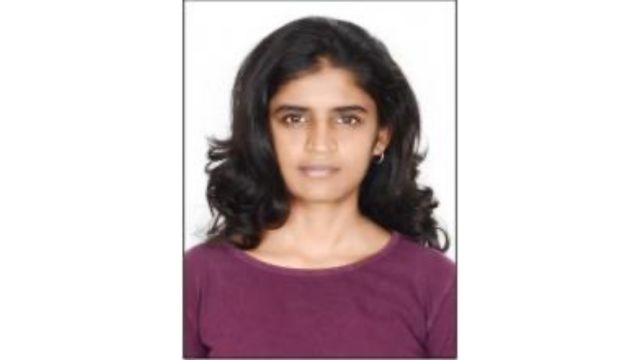
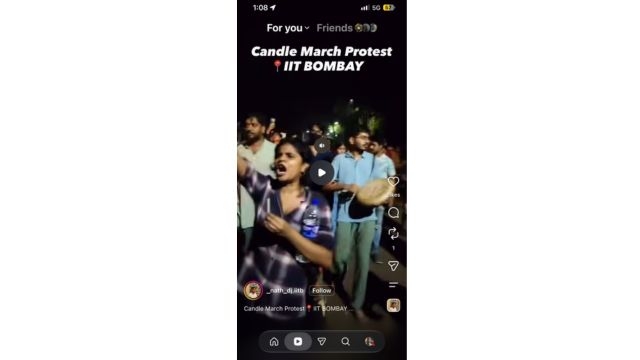
Video footage from recent protests shows her raising slogans asserting the prevalence of “jativad” (casteism) on campus and urging collective hostility. Namal is associated with “The Collective,” a Mumbai-based student-youth group established in 2021 that presents itself as inspired by Bhagat Singh while routinely targeting what it terms “far-right fascist forces.”
Investigative accounts have linked the outfit to broader left-radical networks that engage in sustained anti-Hindu messaging and portray the RSS and BJP as central villains in a supposed authoritarian shift. Reports also point to overlaps with the Students’ Federation of India (SFI), whose members have appeared at such protests with traditional leftist slogans of “Azadi.”
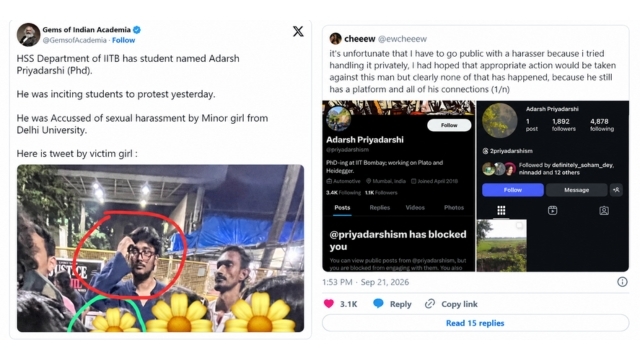
A third figure is Adarsh Priyadarshi, a PhD scholar in the Humanities and Social Sciences department. Beyond his role in the current agitation, Priyadarshi drew public attention last year when a minor student from Delhi University accused him of sexual harassment, sharing screenshots of his social media profiles and expressing frustration that institutional processes had not curtailed his platform. The three individuals are not isolated actors. Footage from a discussion three years ago on the YouTube channel “Let’s Talk Tattva” shows Thakur and Priyadarshi participating together, underscoring pre-existing networks within radical campus circles.
A Recurring Strategy of Polarisation
These activists have demonstrated a consistent approach: tragedies involving students from reserved categories are swiftly converted into platforms for caste-based agitation, often accompanied by Hinduphobic framing that targets traditional Hindu social structures and symbols. The objective appears less about institutional accountability or mental-health support and more about importing the confrontational politics long associated with campuses such as Jawaharlal Nehru University into an environment historically focused on technical excellence and academic rigour.
By amplifying selective narratives, circulating inflammatory speeches, and leveraging existing organisational linkages, the group risks transforming IIT Bombay into yet another arena of ideological contestation. The suspension of the professor’s administrative role addresses one set of student demands. Whether the wider campus community will permit the conversion of personal tragedy into sustained caste warfare remains an open question for the institute’s leadership and the larger student body.
The episode once again underlines the need for rigorous, evidence-based inquiry into every student death while resisting the instrumentalisation of grief for partisan ends.
Written by
Kewali Kabir Jain
Journalism Student, Makhanlal Chaturvedi National University of Journalism and Communication