‘Made in Pakistan’ Fake Currency for UP Polls? Undercover Probe Records Agent’s ₹80 Crore Claim
Pakistan-Bangladesh-Guwahati supply chain; agents claim prior poll supply and district-level distribution for 2027
Total Views |


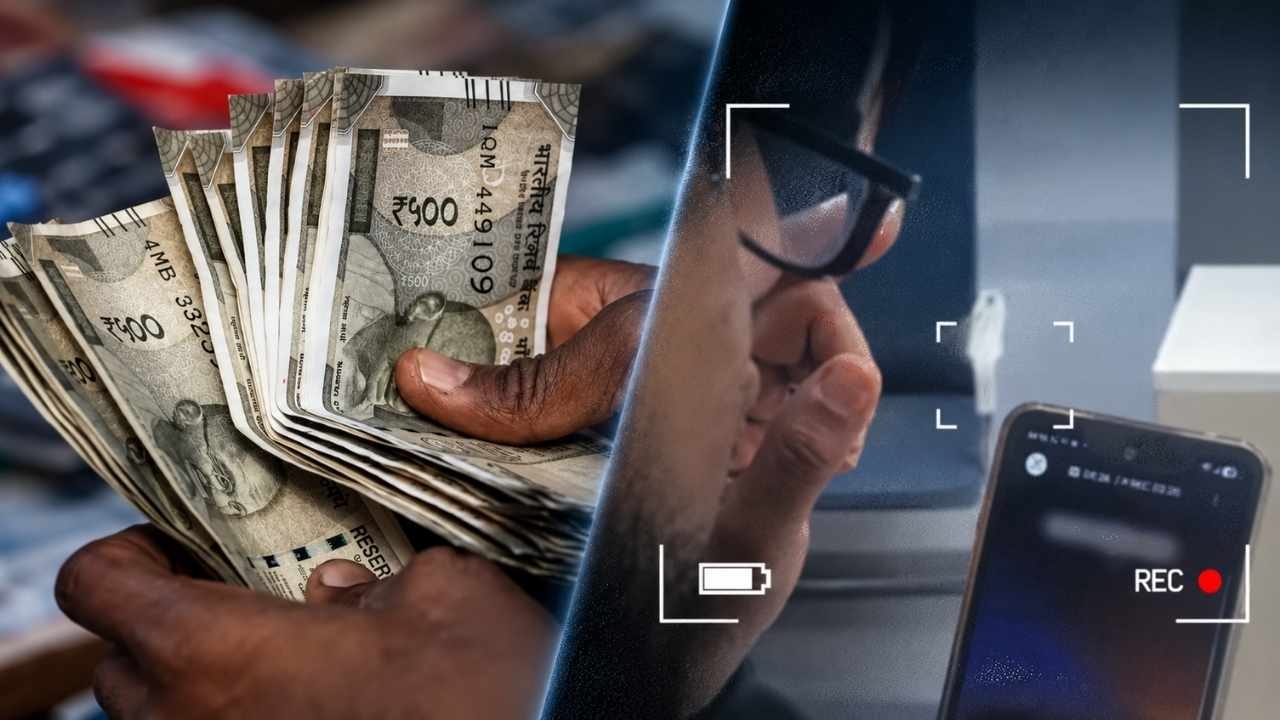
A Dainik Bhaskar undercover investigation alleges that counterfeit currency agents offered to supply notes worth ₹80 crore across Uttar Pradesh ahead of its 2027 Assembly election, using delivery managers and concealed consignments.
An undercover investigation has brought to light a sophisticated counterfeit currency network that allegedly planned to flood Uttar Pradesh with fake notes worth around Rs 80 crore ahead of the 2027 Assembly elections. Agents operating the racket described a well-oiled supply chain originating in Pakistan (with some Chinese links), moving through Bangladesh, and using Guwahati as a key storage and distribution hub before consignments were to be dispersed across states and into electoral constituencies.
The revelations stem from a Dainik Bhaskar undercover operation in which a reporter posed as a prospective buyer. In recorded conversations cited by the investigation, an agent allegedly identified as Ratul claimed the network had already supplied counterfeit currency during a previous Uttar Pradesh election cycle and was now gearing up for the next one.
_202609231057049031_H@@IGHT_360_W@@IDTH_640.jpg "fake currency - image 1 (1)")
He allegedly spoke of a target of roughly Rs 80 crore and asserted that the syndicate could arrange constituency-level distribution through its existing managers and contacts. These claims remain unverified by independent agencies.
Shift from Nepal Corridor to Guwahati “Chest”
According to the agents, the network earlier relied on the Nepal transit route. Tightened restrictions there forced a realignment. Guwahati emerged as the new central node, a “chest” where large volumes of fake notes were allegedly stockpiled before being broken into smaller consignments according to demand.
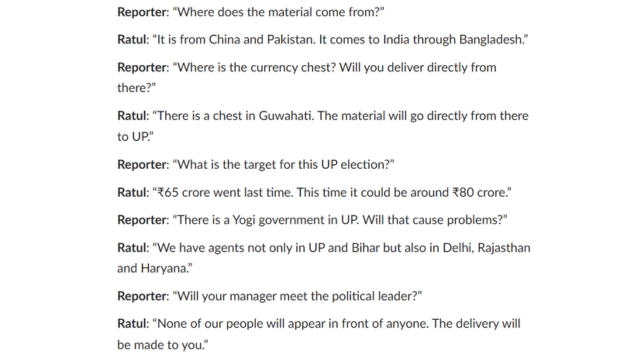
The route outlined by the operatives was clear: Pakistan/China → Bangladesh → Guwahati → other states → Uttar Pradesh. From the Assam capital, the currency was to be moved through various transportation channels, with consignment carefully disguised. Managers positioned in different states were to handle logistics and final delivery, particularly into districts across Uttar Pradesh.
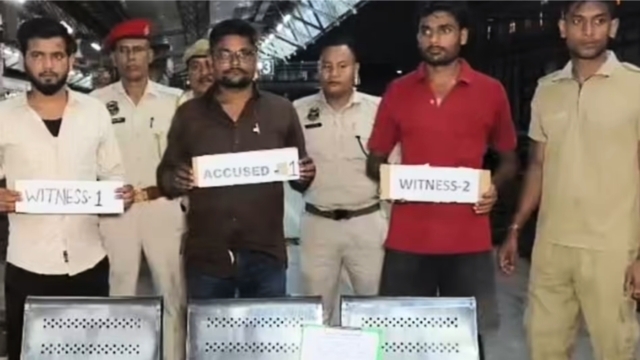
A recent seizure of Rs 11.08 lakh in counterfeit notes at Kamakhya Railway Station in Guwahati has prompted police inquiries into possible network links, though no formal connection to the undercover findings has been established.
Distribution Ambitions and Operational Caution
The investigation allegedly indicates the operators intended a state-wide footprint. For the Uttar Pradesh polls, agents claimed district-level managers could be activated to ensure steady supply timed around the electoral calendar. Discussions reportedly covered methods of concealment and multi-route movement to minimise detection.
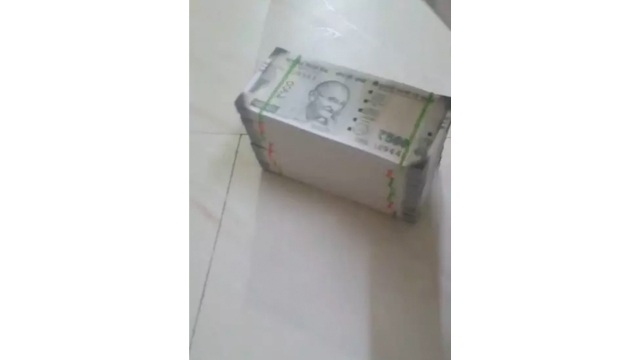
The undercover engagement allegedly took a darker turn when members of the network began to suspect the reporter’s identity. They monitored his movements and, according to the account, discussed eliminating him. Only after the reporter displayed Rs 1.5 lakh in cash did the agents appear more willing to proceed with the proposed deal.
Broader Context of Counterfeit Operations
These allegations surface against the backdrop of ongoing enforcement action. The National Investigation Agency (NIA) is separately probing a Rs 17.29-crore counterfeit currency case in Uttar Pradesh linked to circulation through a bank currency chest in Saharanpur. That matter is distinct from the network described in the undercover report.
The claims of a Pakistan-linked supply chain, an Rs 80-crore election-focused plan, and a Guwahati-centric distribution apparatus demand rigorous, independent investigation by law-enforcement agencies.
Counterfeit currency remains a persistent instrument of economic and political subversion; the reported shift in routes and the explicit targeting of a major state election underscore the need for heightened vigilance along eastern transit corridors and closer scrutiny of suspicious financial flows in the run-up to 2027.
Written by

Kewali Kabir Jain
Journalism Student, Makhanlal Chaturvedi National University of Journalism and Communication