JKLF Supporters Keep Yasin Malik’s Separatist Campaign Alive in Texas
Despite life term for terror financing, Dallas-based JKLF activists, Pakistani ISI-linked operatives and Islamist allies keep pushing Kashmir separatism through US politics, media and academia.
Total Views |


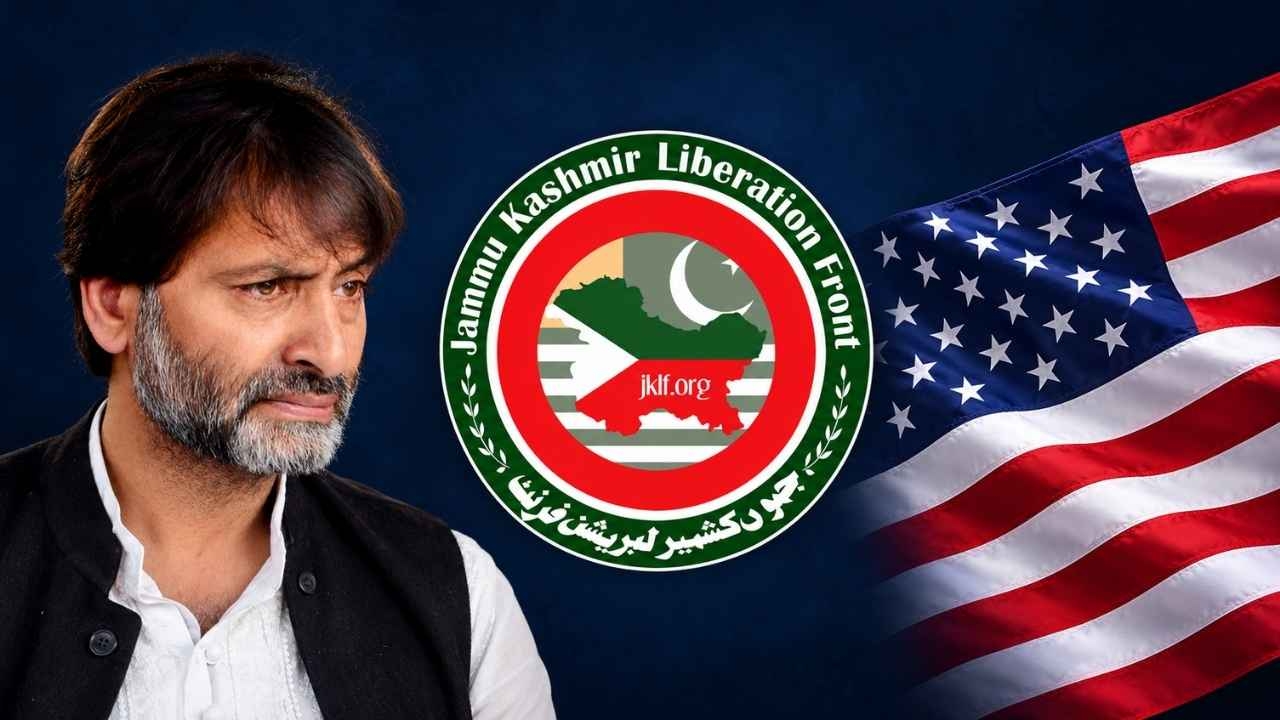
Yasin Malik sits in an Indian prison serving a life sentence for terror financing. That has not stopped the Jammu and Kashmir Liberation Front from expanding its influence on American soil. In Texas, a determined network of JKLF activists, Pakistani-linked figures, Islamist organisations and Kashmiri diaspora groups continues to push the separatist agenda through political events, media platforms, university partnerships and community institutions.
Dallas has emerged as the nerve centre. For years Raja Muzaffar operated as the group’s acting chairman from the city. Through vehicles such as the Kashmir Global Council and South Asia Democracy Watch, he cultivated ties with local politicians, Islamist outfits and radical Kashmiri voices. In 2024 a JKLF conference in Dallas openly centred on “highlighting the struggle” of the jailed Malik. City councillors, state representatives and even federal lawmakers attended, giving an American political veneer to a cause rooted in decades of violence.
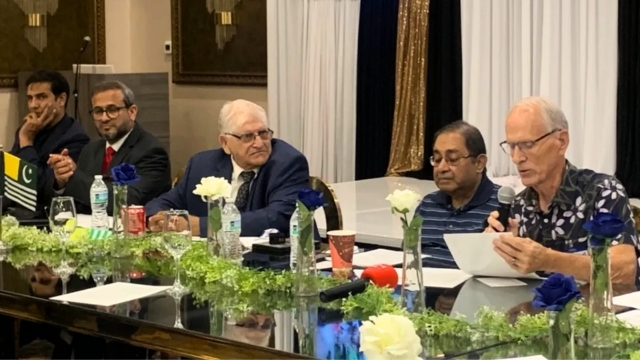
The network’s reach extended into academia. After engaging Southern Methodist University, Muzaffar appointed Dr Rick Halperin, director of the university’s human-rights programme, to head the “Justice for Yasin Malik Campaign.” Institutional respectability was thereby lent to an organisation whose history includes bombings, political assassinations and high-profile kidnappings.
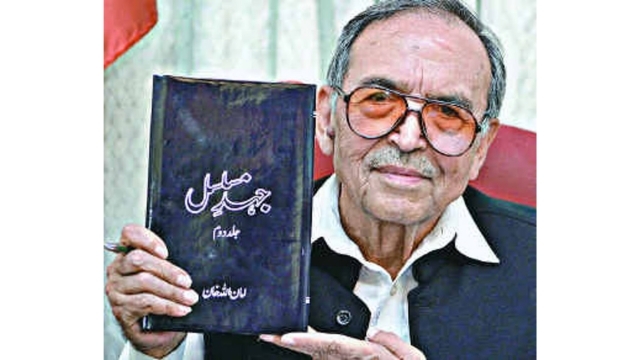
In April 2025 the same circle joined Ghulam Nabi Fai of the World Kashmir Awareness Forum to commemorate Amanullah Khan, the late JKLF founder. Participants praised Khan’s “legacy of resistance.” The record is less romantic. Khan directed campaigns against Indian targets, acknowledged training in Pakistani terrorist camps run with ISI support, and oversaw the 1984 kidnapping and murder of Indian diplomat Ravindra Mhatre in Britain. By the 1990s he had shifted operations to Pakistan after refusing to renounce violence. The Dallas event deliberately linked today’s American activism to that blood-stained past.
Fai’s own record adds another layer. In 2011 he pleaded guilty in a US federal court to conspiracy and tax offences involving at least $3.5 million funnelled from the Pakistani government and ISI to finance covert lobbying on Kashmir. He received a two-year prison sentence. His continued appearance alongside JKLF leaders in Texas underscores the enduring Pakistani intelligence connection. Muzaffar has also shared platforms with former ISI chief Asad Durrani, further illustrating the pipeline.
Media amplification comes through Mujeeb Kazi, head of the North Texas Islamic Council and operator of Voice of Kashmir TV. The channel regularly hosts JKLF voices, including Toqeer Gilani, who succeeded Muzaffar as acting head in May 2026. It has also pushed support for other hardliners: Shabir Shah, accused by Indian prosecutors of Lashkar-e-Taiba links and terror financing; Hamid Fayaz of Jamaat-e-Islami; and Asiya Andrabi of Dukhtaran-e-Millat, a group described by The Economist as advocating jihad and supporting terrorists.
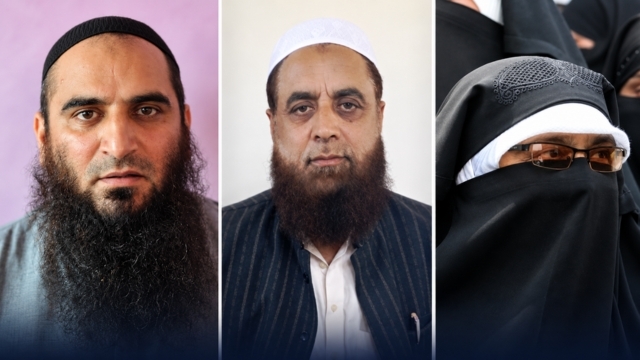
Andrabi’s US representative, Ghazala Habib of Houston and Austin, operates through Friends of Kashmir and has ties to the late Syed Ali Geelani’s network. PTI activists in Texas have intersected with the same circle.
India banned the Yasin Malik faction of the JKLF as an unlawful association in 2019, citing its role in spearheading violence, the killings and displacement of Kashmiri Pandits, the murder of Indian Air Force personnel, kidnappings and terror financing. The National Investigation Agency later detailed Malik’s alleged visits to Lashkar-e-Taiba camps and coordination with Hizbul Mujahideen, Dukhtaran-e-Millat and LeT.
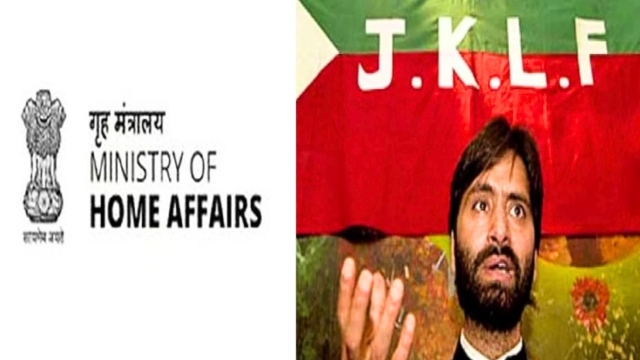
In May 2022 Malik pleaded guilty to raising and receiving funds through illegal channels, including hawala, for separatist and terrorist activity. A US federal appeals court had already classified the JKLF as a Tier III terrorist organisation, citing substantial evidence of killings of moderate politicians, public bombings and claimed kidnappings.
Although some Western commentators once labelled the JKLF “secular,” its sustained collaboration with Jamaat-e-Islami, Dukhtaran-e-Millat and Pakistan-backed Islamist networks tells a different story. The Texas infrastructure non-profits, diaspora media, university contacts, political outreach and Pakistani linkages which keep the Malik brand and the broader separatist project alive long after his conviction.
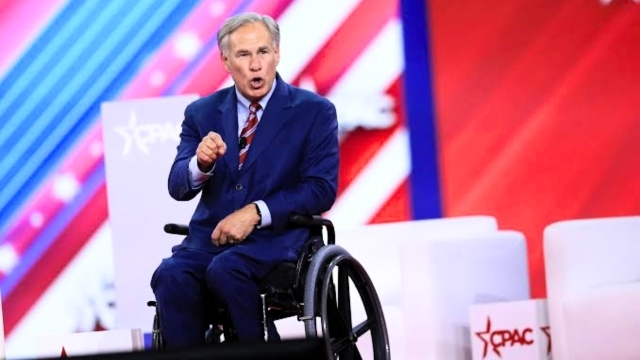
Texas Governor Greg Abbott’s November 2025 designation of the Muslim Brotherhood and CAIR as foreign terrorist and transnational criminal organizations signalled growing state-level scrutiny of Islamist networks. Against that backdrop, the JKLF ecosystem centred on Dallas, Houston and Austin continues to operate.
Leadership changes from Muzaffar to Gilani have not dismantled the apparatus. It remains a durable platform for promoting Yasin Malik, the JKLF and Kashmir separatism inside the United States complete with the Pakistani and Islamist connections that have defined the movement for decades.
Written by
Kewali Kabir Jain
Journalism Student, Makhanlal Chaturvedi National University of Journalism and Communication