“We Want China Out of Tibet”: Protesters March Through Washington During Xi’s Visit
As Xi met Trump, Tibetan and Uyghur diaspora groups marched through Washington, demanding action on Beijing’s restrictions on faith and culture, and its intimidation of families who dare to speak out.
Total Views |


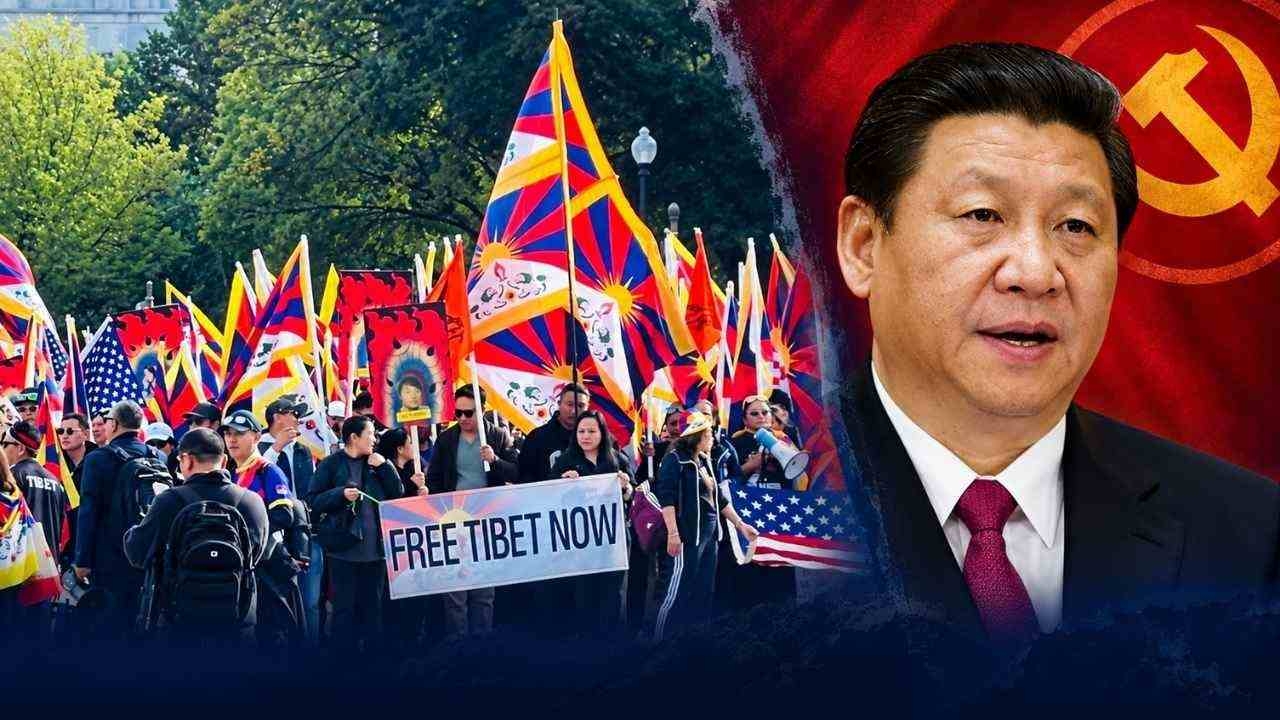
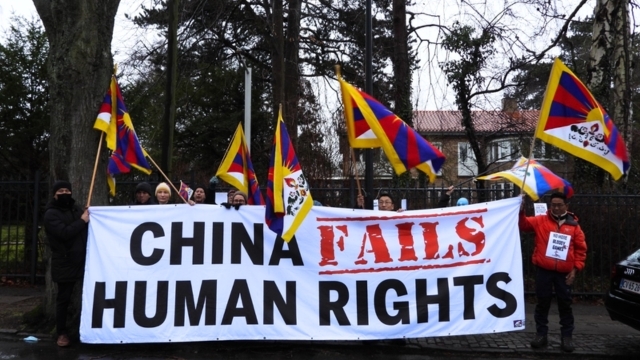
While Xi Jinping met Donald Trump in Washington, Tibetans and Uyghurs marched on September 24 against restrictions on faith, language and family life, seeking US attention because speaking openly can endanger relatives at home there.
Protesters gathered outside the Chinese Embassy, marched towards the US Capitol and held a rally with diaspora and human rights groups. Tibetans chanted, “We want China out of Tibet.” Uyghurs, Hong Kongers, Southern Mongolians and Chinese democracy activists joined them. Organisers expected more than 2,000 Tibetans from across North America.
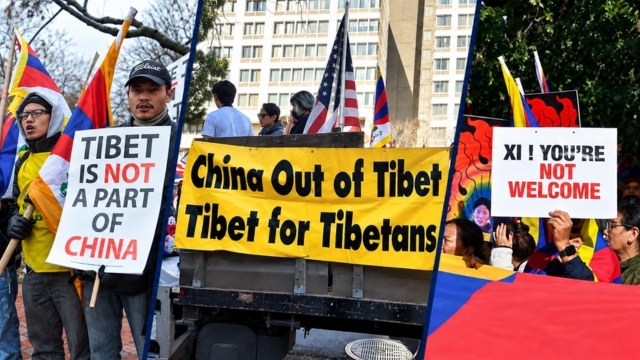
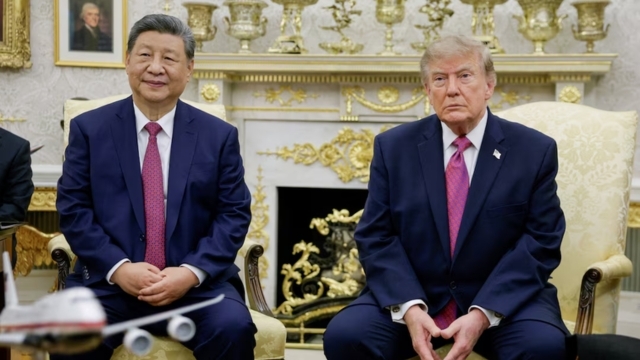
The timing mattered. Xi was in Washington for talks with Trump, and the protesters wanted Tibet and other human rights concerns raised directly with him. For those in the march, a meeting between two presidents was also a rare chance to make their families’ experiences impossible to overlook.
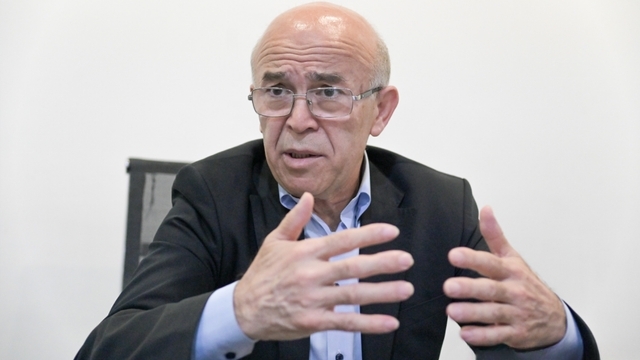
Omer Kanat, executive director of the Uyghur Human Rights Project, said Tibetan and Uyghur communities faced threats to their religion, language and culture. He described arbitrary detention, forced labour, surveillance and family separation among Uyghurs’ concerns. He also spoke about children growing up apart from their families and cultural traditions.
Those concerns have a documented basis. The UN Human Rights Office has reported serious human rights violations in Xinjiang. UN experts have also raised alarms about residential schools separating Tibetan children from their families and about policies affecting Uyghur children’s language and family life. These findings give weight to the protesters’ concern that a community can lose its identity one generation at a time.
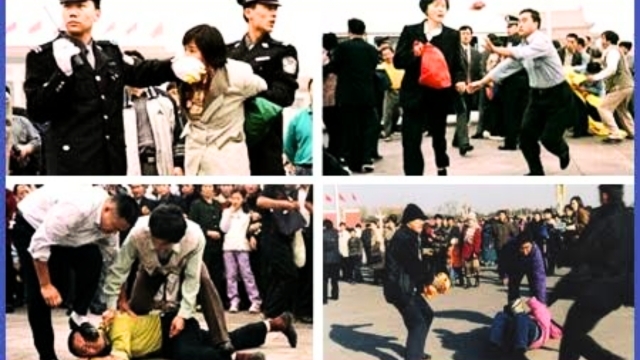
The pressure on religious life extends beyond Tibetans and Uyghurs. China began suppressing Falun Gong, a spiritual practice, in 1999. The US Commission on International Religious Freedom reports that Falun Gong practitioners remain among those subjected to surveillance, detention and imprisonment. The US Congressional-Executive Commission on China has documented prosecutions of practitioners under Chinese criminal law. Their cases show that the freedom to practise a belief can carry severe personal consequences under Communist Party control.
Why take these demands to Washington?
Omer Kanat said that even people living abroad must weigh speaking freely against the safety of family members at home. That fear is more than a protest slogan. A US congressional commission has documented threats against relatives in China as a tactic used against Uyghurs, Tibetans and other critics overseas. It helps explain why people who cannot safely bring grievances to those governing them seek an audience with another government instead.
The Washington protest exposed a painful contradiction - Chinese people marched for basic freedoms, yet some feared the consequences of speaking at all. As Xi met the US president, Tibetans, Uyghurs and their allies asked that their rights, and the families living with these pressures, be part of the conversation.
The Washington protest showed how far Tibetans and Uyghurs feel they must travel to make their concerns heard. They marched for the freedom to practise their faith, speak their language and raise their children within their own cultures. Some also fear that speaking publicly could put them at risk.
That fear is a damning indictment of Chinese Communist Party rule. A government confident in its policies should be able to hear grievances from the people living under them. Instead, documented restrictions and intimidation have helped drive those grievances onto the streets of Washington.
The protesters’ demand was simple - when leaders meet Xi Jinping, they should speak about the people who cannot safely make the same demands at home.
Written by
Mokshi Jain
Sub-editor