Ujjain Road Widening Sparks Clash Over Shahi Masjid Portion
As Madhya Pradesh prepares for Simhastha 2028, a lawful infrastructure project in Ujjain exposes the dangerous precedent of “street veto” against equal application of development rules
Total Views |


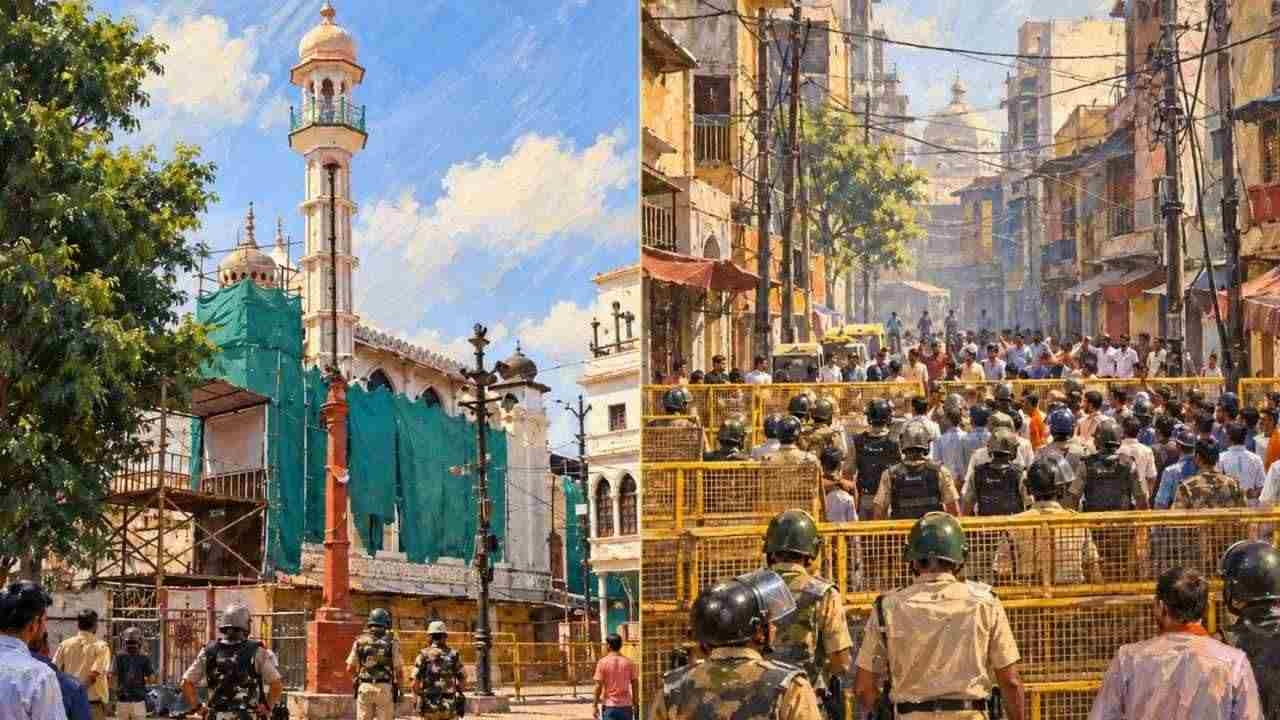
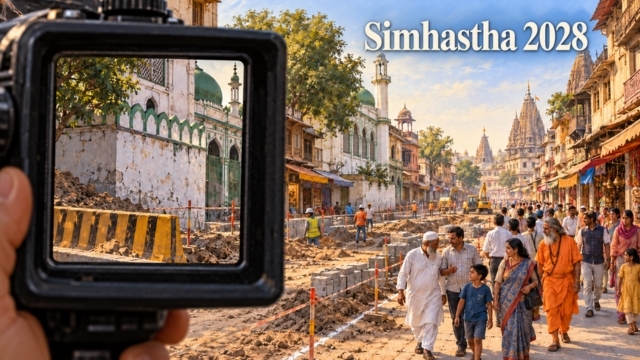
On the morning of 27 September, tension gripped parts of Ujjain when a section of the Muslim community gathered to obstruct the removal of a portion of the Shahi Masjid. The structure stood in the alignment of a 15-metre road-widening project between Kanthal Chauraha and Gopal Mandir, undertaken as part of infrastructure upgrades ahead of the Simhastha Kumbh in 2028.
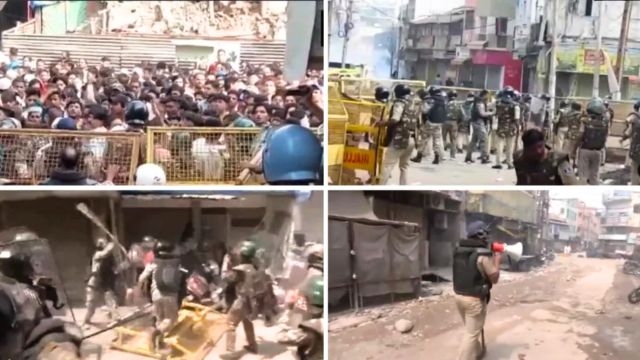
What began as opposition to a court-sanctioned civic work quickly turned violent. Protesters allegedly pelted stones at police personnel, pushed against barricades and forced the administration to respond with tear gas and a lathi-charge. One police personnel was injured. Additional forces, including RAF units, were rushed in. Markets shut, some schools closed early, and the affected localities were divided into sectors under heavy deployment. FIRs were registered and several persons detained.
All India Majlis-e-Ittehadul Muslimeen (AIMIM) Madhya Pradesh president Mohsin Ali Khan was also taken into custody while reportedly heading to the city in connection with the dispute.
The Madhya Pradesh High Court had already examined the matter. Petitions challenging the demolition notices were rejected. The court recorded that portions of ten temples and another mosque along the same stretch had already been removed. Action against numerous other religious structures across Ujjain was also noted. There was no finding of discriminatory targeting.
This is the core of the issue. A road does not distinguish between a temple and a mosque. Yet sections of the protestors appeared determined that the street should make that distinction.
Equal Rules or Selective Immunity?
India’s historic cities cannot modernise if every religious structure automatically becomes inviolable. Road-widening, metro corridors, drainage projects and highway expansions would grind to a halt the moment a temple, mosque, church or gurdwara happened to stand in the way. That is not secularism; it is religious exceptionalism dressed up as sensitivity.
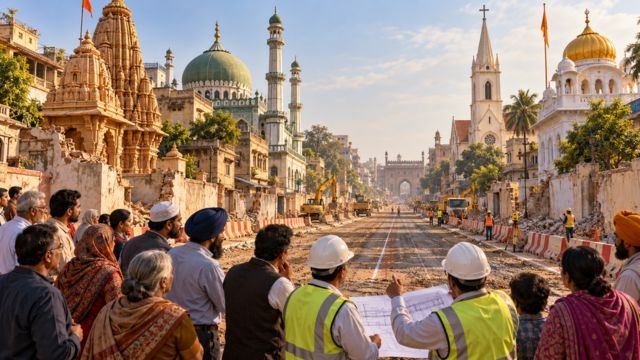
The law already provides room for consideration of heritage, alternative alignments and compensation where due. What it cannot permit is an automatic veto based solely on the religious identity of the structure. The High Court’s observation that both Hindu and Muslim places of worship had been affected under the same project undercuts any narrative of selective targeting.
The same principle was applied in Ayodhya during the Ram Path widening, where around thirty temples, along with shops and other structures, made way for the road. The existence of a temple did not nullify the public project. Consistency demands that a mosque in Ujjain be treated no differently.
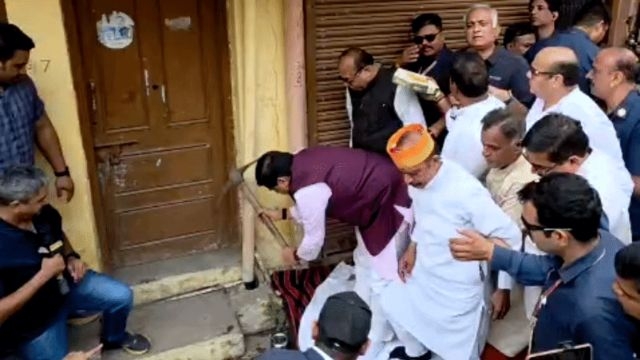
Even the Madhya Pradesh Chief Minister - Mohan Yadav’s ancestral house, more than fifty years old, has been partially demolished because it fell in the alignment. When the head of the state government subjects his own family property to the same rule, claims of communal design lose credibility.
The “Street Veto” and Its Perils
Citizens retain every democratic right to disagree, litigate, propose alternatives and protest peacefully. Once a crowd resorts to physical obstruction and violence to prevent implementation of a decision that has survived judicial scrutiny, the matter ceases to be democratic dissent. It becomes an attempt to substitute mob pressure for the courtroom.
Such a precedent is corrosive. Today the structure is a mosque. Tomorrow it could be a temple, a church or any other place of worship. Development would then depend not on law or planning but on which community can mobilise the largest and most aggressive crowd outside the site. That is not constitutional governance; it is arbitration by street power.
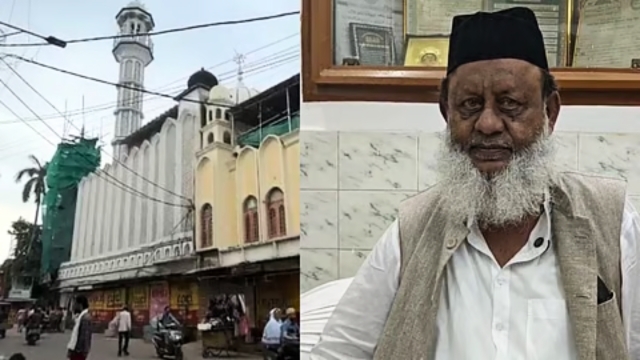
After the initial confrontation, Ujjain City Qazi Khailil Kurre Rehman appealed against rumour-mongering and unnecessary gathering. The administration later stated that members of the community were voluntarily cooperating in the removal of the affected portion. That is the correct sequence: argue, litigate, and then accept the final lawful outcome.
Selective Framing and Media Narratives
International coverage, notably from outlets such as Al Jazeera, focused heavily on “hundreds of Muslims” protesting the partial demolition of a mosque ahead of a Hindu pilgrimage. The road-widening plan, the High Court order, the prior removal of temple portions and another mosque, the stone-pelting and the injury to police personnel were relegated to the background or omitted.
This selective presentation converts a civic infrastructure project into a communal storyline. The road will remain after Simhastha 2028. Residents of every community will use it. A public thoroughfare does not check the religion of those who travel on it.
The Larger Test
Ujjain presents a straightforward test for the republic. The state must never target a religious structure merely because of the community to which it belongs. Equally, no religious structure can claim immunity merely because of the community to which it belongs.
If a temple can make way for a road in the national interest, so can a mosque. The law must remain uniform. Sentiment and heritage can be weighed; the street cannot be allowed to become a parallel court. Development of Bharat’s cities cannot be held hostage to the principle that the loudest or most organised crowd decides which rules apply.
Written by
Kewali Kabir Jain
Journalism Student, Makhanlal Chaturvedi National University of Journalism and Communication