Unmasking the Propaganda: The Koregaon Bhima Case as a Vital Stand for India's Sovereignty
New revelations prove that the “evidence planted by malware” narrative in the Bhima Koregaon case is crumbling. NIA stands firm: incriminating letters are real, not fabricated. Behind the Western forensic reports lies a deeper attempt to weaken India’s fight against urban Naxalism.


In a brazen attempt to undermine India's national security apparatus, a recent article in The Wire titled "'Malware Evidence in Their Own Reporting?' Global Experts Reiterate Bhima Koregaon Reports, Seek End to Injustice", peddles a dangerous narrative of fabricated evidence and state-sponsored hacking.
This piece, authored by Mekhala Saran, relies on recycled claims from Western forensic firms and so-called "experts" to paint the Bhima Koregaon-Elgar Parishad case as a grand conspiracy against innocent activists.
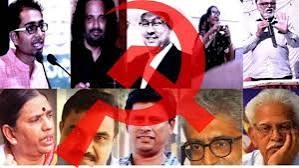
But let's peel back the layers of this leftist propaganda and reveal the truth: the arrests of the so-called "BK-16" were not a witch hunt but a necessary defense against urban Naxalism, Maoist insurgency, and threats to the very fabric of our democracy. Far from injustice, this case exemplifies the vigilance required to protect India from internal subversion.
The Fabricated "Fabrication" Claim: Debunking the Malware Myth
At the heart of The Wire's argument is the allegation that incriminating documents, letters plotting assassinations, Maoist links, and calls for armed rebellion, were "planted" via malware like NetWire on the devices of accused individuals such as Rona Wilson, Surendra Gadling, and the Stan Swamy.
They cite reports from Arsenal Consulting, a U.S.-based firm, and experts like Robert Jan Mora from Volexity, who claim a decade-long "hacker-for-hire" operation dubbed "Modified Elephant" targeted dissidents.
This sounds sinister, but it's a house of cards built on selective evidence and foreign interference. The National Investigation Agency (NIA), India's premier anti-terror body, has repeatedly dismissed these forensic reports as unreliable and inadmissible.
In affidavits filed before the Bombay High Court in 2021, the NIA argued that Arsenal's findings are not part of the official chargesheet and cannot be used to quash the case. They pointed out procedural flaws: the reports were commissioned by the defense, not independent authorities, and ignore the broader context of evidence.
Moreover, inconsistencies abound in the "planting" narrative. Take Anand Teltumbde, one of the accused: leftist media outlets initially screamed that emails on his device were fabricated via malware.
Yet, in his own defense, Teltumbde referenced those very emails to argue his innocence, effectively acknowledging their authenticity. If the evidence was planted, why use it in court? This hypocrisy exposes the defense's strategy: cry foul when convenient, but leverage the material when it suits.
The NIA has also challenged the technical validity of these claims.
In 2021 statements, they refuted Arsenal's report outright, noting that the alleged malware traces could stem from user activity or unrelated infections, not a targeted state operation.
OpIndia have highlighted how urban Naxals flip-flop on these documents, proving they weren't "planted" but part of a real conspiracy. The "Modified Elephant" theory? It's speculative at best, drawn from Amnesty International and Citizen Lab, organizations with a history of anti-India bias, often funded by Western interests that view India's rise as a threat.
The Real Threat: Maoist Links and the Assault on National Security
The Wire conveniently glosses over the core of the case: the Koregaon Bhima violence on January 1, 2018, wasn't random caste clashes but a calculated provocation by Maoist sympathizers.
The Elgar Parishad event, organized by groups linked to the accused, incited unrest that led to one death and widespread chaos. The NIA's chargesheets detail a web of evidence beyond digital files, witness testimonies, seized literature promoting armed revolution, and financial trails to banned outfits like the CPI (Maoist).
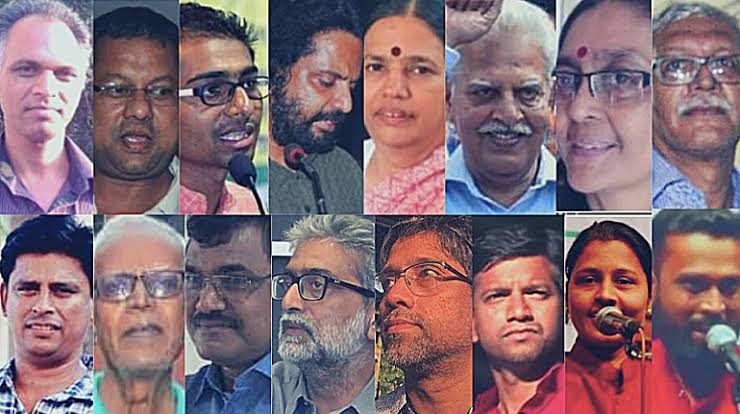
These aren't "activists" or "academics" as portrayed; many have documented ties to extremist ideologies. Rona Wilson, for instance, was involved in groups advocating for "people's war" against the state. Stan Swamy's work in tribal areas, while humanitarian on the surface, allegedly masked support for Naxal activities.
Some analysts argue this case is a bulwark against "urban Naxalism," where intellectuals in cities provide ideological cover for rural insurgents. As of 2025, with Maoist violence still simmering in states like Chhattisgarh, dismissing these arrests risks emboldening anti-national forces.
The Maharashtra government under Devendra Fadnavis has even sponsored commemorations at Bhima Koregaon to honor historical valor, countering attempts to hijack the site for divisive politics.
The Human Cost: Tragedy, But Not Injustice
The Wire invokes the death of Stan Swamy in custody as emblematic of "state negligence." Let's not forget, Swamy was granted medical bail considerations, and his passing was due to COVID-19 complications, not deliberate mistreatment.

Courts repeatedly reviewed his health, and the NIA opposed bail on grounds of national security risks. Romanticizing his story ignores the bigger picture, hundreds of security personnel killed by Maoists annually.
Experts cited in The Wire, like Alpa Shah, author of a book sympathetic to guerrillas, represent a skewed view. True patriots see this as a necessary evil: UAPA detentions, while lengthy, prevent greater harm. As the NIA stated in 2021, foreign reports like Arsenal's are attempts to interfere in India's judicial process.
A Call for Vigilance, Not Capitulation
Demanding an "independent probe" and releases, as The Wire does, is code for weakening India's counter-terror framework. In 2025, with global powers eyeing India's stability, we cannot afford to let propaganda erode trust in institutions like the NIA.
The Koregaon Bhima case isn't about suppressing dissent, it’s about safeguarding sovereignty from those who plot its downfall.
It's time to reject this counter-narrative of victimhood and support our agencies. National security demands it. Let the courts decide, free from foreign meddling and media trials. India first, always.