Bharat’s Two-Decade Crackdown on Islamist Terror: A Comprehensive Report on 17 Banned Organisations
13 Dec 2025 15:13:00

Islamic terrorism is characterised by its brutal and indiscriminate violence, resulting in widespread death, suffering, and profound societal disruption. Groups such as ISIS, Al-Qaeda, Boko Haram, and the Taliban employ tactics designed to maximise fear and casualties, including suicide bombings, mass shootings, beheadings, and systematic torture.
The gruesomeness of Islamist terrorism is not confined to the acts of violence themselves but extends to the deliberate targeting of innocents, including women, children, and fellow Bharatiya citizens. These actions frequently involve severe physical mutilation and long-term psychological trauma. Moreover, the establishment of self-proclaimed “caliphates” has been accompanied by crimes against humanity, including ethnic cleansing and sexual slavery.
This report consolidates the seventeen major Islamist terrorist organisations proscribed by the Government of India between 2001 and 2024 under the Unlawful Activities (Prevention) Act and earlier anti-terror legislations. The analysis highlights how these extremist networks radicalised vulnerable youth, orchestrated violent attacks, mobilised illicit funding, and systematically sought to undermine Bharat’s national security and democratic institutions.
1. Hizb-ut-Tahrir (HuT)
Date of Ban: 10 October 2024
Reason: Radicalisation of youth and terror funding
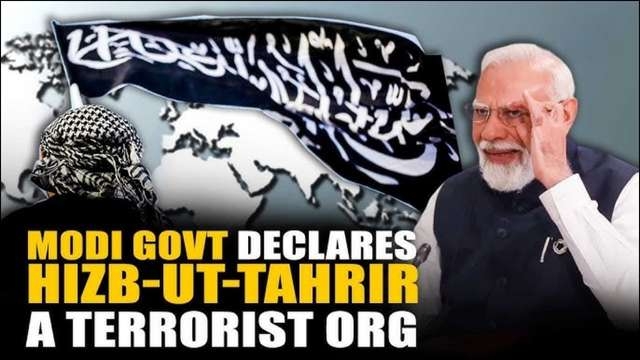
The Government of India banned Hizb-ut-Tahrir under the UAPA for indoctrinating vulnerable youth, facilitating ISIS-linked recruitment, and raising funds for jihadist activities. The organisation seeks to establish a global Islamic caliphate by overthrowing democratic governments through violent means. Its activities included Dawah meetings, encrypted online propaganda, and systematic extremist indoctrination. These operations were confirmed during National Investigation Agency investigations, which led to the arrest of its Tamil Nadu and Puducherry chief, Faizul Rahman.
2. Muslim League Jammu Kashmir – Masarat Alam Faction (MLJK-MA)
Date of Ban: 27 December 2023
Reason: Anti-national propaganda and secessionist activity
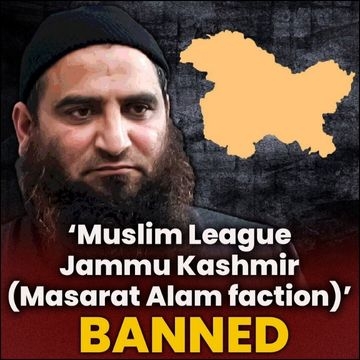
MLJK-MA was banned for its involvement in sustained anti-India campaigns, stone-pelting, support for terrorist groups, and funding from Pakistan-backed networks. The organisation consistently incited violence against security forces and played a significant role in perpetuating separatist unrest in Jammu and Kashmir.
3. Jammu and Kashmir Ghaznavi Force (JKGF)
Date of Ban: 17 February 2023
Reason: Pakistan-backed militancy, grenade attacks, and recruitment

JKGF emerged from former cadres of Lashkar-e-Taiba, Jaish-e-Mohammed, and Tehreek-ul-Mujahideen. Operating with Pakistan-based handlers, it executed grenade attacks, ambushes, and targeted violence. Its alliances with al-Badr, Hizbul Mujahideen, and al-Qaeda-linked Ansar Ghazwatul Hind elevated it into a serious domestic security threat.
4. Popular Front of India (PFI)
Date of Ban: 28 September 2022
Reason: Radicalisation, targeted killings, and terror financing
PFI was banned nationwide following the emergence of extensive evidence linking it to terror financing, extremist indoctrination, and connections with ISIS. Nationwide raids resulted in the detention of over one hundred members. The organisation’s activities were assessed as a direct threat to Bharat’s constitutional order and internal security.
5. Jamaat-ul-Mujahideen Bangladesh (JMB)
Date of Ban: 24 May 2019
Reason: Recruitment, bombings, and attempts to establish a Caliphate in India
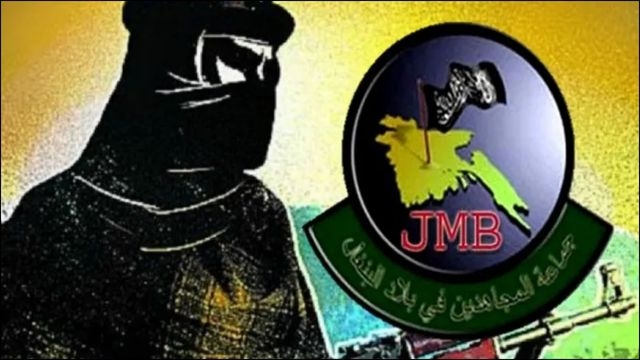
JMB orchestrated bomb blasts in West Bengal and Bodh Gaya, radicalised youth, and attempted to establish operational bases near the Indo-Bangladesh border. Its explicit objective of creating an Islamic caliphate in the Indian subcontinent led to its proscription.
6. Jamaat-e-Islami Jammu Kashmir (JeI-JK)
Date of Ban Extension: 28 February 2019
Reason: Support for terrorism and a secessionist agenda
The ban on JeI-JK was extended for five years due to its continued involvement in anti-India propaganda, assistance to militant outfits, and sustained efforts to fuel separatist sentiments across Kashmir.
7. Tehreek-ul-Mujahideen (TuM)
Date of Ban: 6 February 2019
Reason: Terror attacks, recruitment, and logistical support
TuM executed grenade attacks and provided logistical assistance to Hizbul Mujahideen and Lashkar-e-Taiba. Investigations revealed foreign funding channels and the systematic recruitment of Kashmiri youth into terrorist training camps.
8. Al-Qaeda in the Indian Subcontinent (AQIS)
Date of Ban: 21 June 2018
Reason: Radicalisation, terror propaganda, and court bombings

AQIS sought to expand al-Qaeda’s footprint in Bharat through propaganda dissemination and recruitment. Its South Indian affiliate, Base Movement, carried out coordinated bomb blasts in multiple courts in 2016.
9. Islamic State (ISIS) and Its Affiliates
Date of Ban: 16 February 2015
Reason: Radicalisation and recruitment for global jihad
ISIS utilised online propaganda to radicalise Indian youth and recruit them for its global jihadist campaigns in Iraq and Syria. Several individuals attempted to travel to ISIS-controlled territories before being intercepted by Indian security agencies.
10. Indian Mujahideen (IM)
Date of Ban: 4 June 2010
Reason: Serial bomb blasts in major Indian cities
Indian Mujahideen, linked to the Students Islamic Movement of India and Pakistan-based Lashkar-e-Taiba, carried out coordinated bombings in Delhi, Uttar Pradesh, Bengaluru, and Mumbai. The group gained national prominence following the 2005 Varanasi blast.
11. Dukhtaran-e-Millat (DEM)
Date of Ban: 27 June 2002 (under POTA)
Reason: Support for terrorism and financial links

Dukhtaran-e-Millat, a women-led separatist organisation, was involved in hawala funding for militant groups and provided logistical and ideological support to Pakistan-backed jihadist outfits.
12. Al-Badr
Date of Ban: 1 April 2002
Reason: Militant attacks, recruitment, and ISI-supported operations

Al-Badr engaged in grenade attacks, militant recruitment, and coordinated operations with Pakistan-based terrorist networks in Jammu and Kashmir, with direct backing from Pakistan’s Inter-Services Intelligence.
13. Jaish-e-Mohammed (JeM)
Date of Ban: 25 October 2001
Reason: Parliament attack and multiple fidayeen strikes
Jaish-e-Mohammed orchestrated the 13 December 2001 attack on the Indian Parliament and conducted numerous suicide assaults across Jammu and Kashmir. The organisation maintained deep operational links with the Taliban and al-Qaeda.
14. Harkat-ul-Mujahideen (HuM)
Date of Ban: 25 October 2001
Reason: Militancy, kidnappings, and the IC-814 hijacking

HuM engaged in cross-border terrorism, kidnappings, and attacks on Indian security forces. Its involvement in the 1999 hijacking of Indian Airlines flight IC-814 was a decisive factor in its proscription.
15. Al-Umar Mujahideen
Date of Ban: 24 October 2001
Reason: Killings, kidnappings, and Pakistan-backed militancy

Led by Mushtaq Ahmed Zargar, Al-Umar Mujahideen carried out assassinations, kidnappings, and violent attacks in Kashmir while operating with direct support from Pakistan-based terrorist handlers.
16. Students Islamic Movement of India (SIMI)
Date of Ban: 26 September 2001
Reason: Extremism, communal incitement, and anti-India activities
SIMI promoted extremist ideology, incited communal tensions, and engaged in activities threatening Bharat’s sovereignty and internal security. Multiple members were subsequently found to be involved in terrorist crimes.
17. Deendar Anjuman
Date of Ban: 28 April 2001
Reason: Serial church bombings, communal propaganda, and ISI links
Deendar Anjuman conducted coordinated bomb blasts in churches across southern Bharat with the objective of fuelling communal tensions. Its operational links to Pakistan’s Inter-Services Intelligence led to its ban.
In a Nutshell
Bharat’s sustained crackdown exposed Islamist terror networks, disrupted funding and recruitment, protected citizens, and reaffirmed democratic resolve, demonstrating that vigilant law enforcement and intelligence coordination can defeat extremist violence nationwide.
Report by
Kewali Kabir Jain
Journalism Student, Makhanlal Chaturvedi National University of Journalism and Communication