Fear, Faith and Folklore: How Trolls Reveal the Cultural Cost of Norway’s Christianisation
16 Dec 2025 13:55:44
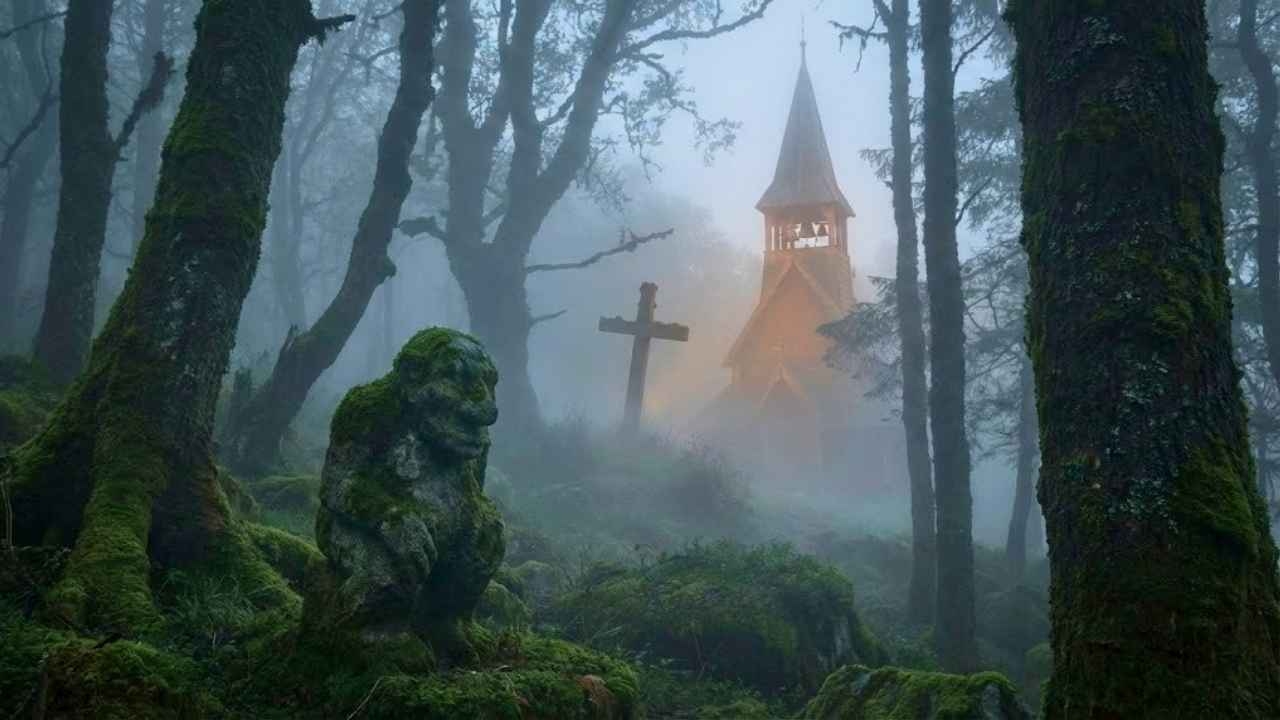
Go hiking in the rocky Norwegian mountains, or open Netflix, and one term unites the two worlds - "Trolls". Throughout the centuries, the belief among people in Norway held that trolls inhabited forests, caves and mountain ridges of high altitudes. They were feared and respected by the communities, and their daily existence revolved around them. Trolls were not the only aspect of fantasy. They were a part of a living belief system which assisted people in making sense of nature, threat and the invisible.
Norse society had a nature-based faith before the advent of Christianity in Scandinavia. People thought that mountains, rivers and forests had spirits and creatures that required trepidation. The trolls lived in this scenery. They attributed unusual rockslides, lost animals, weird echoes and fatal tempests. It was a meaning and a warning, not an entertainment, in remote areas where people had to know the land or die.
The trolls came in various forms. According to folklore, they were strong, deformed, anthropomorphic and resided distant from the villages. Their enemy was the sunlight, and their friend was darkness. It was widely held that daylight could change a troll into stone, and the high drama of the rocky formations and the sheer cliffs of Norway were attributed to this explanation. These beliefs determined the travel paths, the settlements and even the time of working in risky areas.
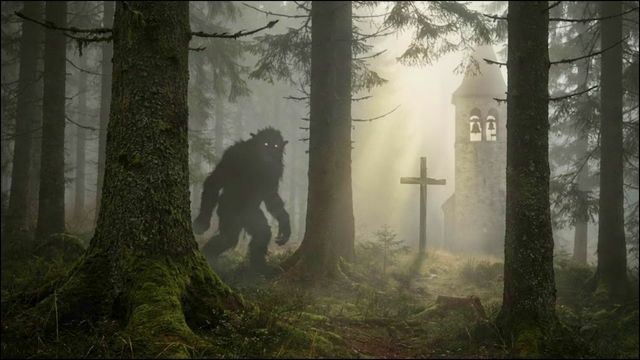
Trolls were not all monsters. Some depicted them as lowly, isolated or under strict regulations. Trolls were frequently overcome by the wit of human beings instead of their physical power. These tales helped to reaffirm optimism, wisdom and respect towards nature and the continuity of the lessons of previous generations to the next.
The point of turning came with the proliferation of Christianity. The Christian missionaries arrived in Norway some time in the 10th century, although it was not converted in large numbers until in the 11th century during the reign of King Olaf II Haraldsson. He was very rapid and harsh in enforcing Christianity. He burnt down temples of pagans and suppressed opposition and required people to profess their new religion. This fast Christianisation resulted in fear in the communities that experienced the loss of ancestral beliefs, rites and identity.
With the spread of Christianity, the ancient world vision was transformed. The church leaders made the native beliefs look threatening and sinful. Trolls, which were a part of the natural system, became an icon of evil. Christian stories portray them as God haters, runaway slaves who run away to the church bells, crosses and lights of sanctity. A purpose was achieved through this demonisation. Christianity made trolls opponents of old traditions and provided justification for forceful conversion.
The result was cultural displacement. Under pressure, people abandoned their traditional beliefs, and their spiritual connection to the land and folklore was severed. Trolls (monsters) became figures of fear, representing the threat of being outside the Christian order. Fear replaced the sense of balance, and religious authority shifted into the hands of folklore.
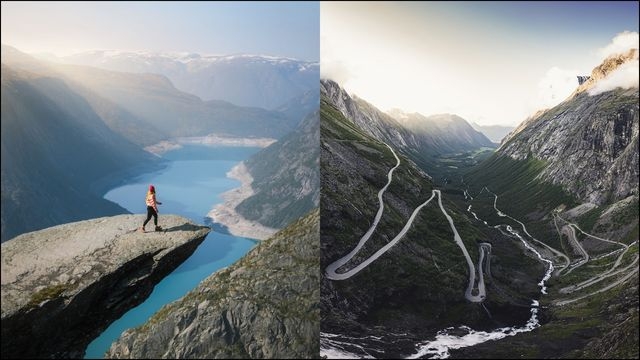
Nevertheless, trolls did not disappear despite such a transformation. Oral traditions kept their existence, though the names of places such as Trolltunga and Trollstigen kept them on the land. In contemporary culture, movies like Netflix's Troll and Troll 2 can bring trolls back as prehistoric creatures who have been awakened through the invasion of humans. These tales are based on the older beliefs, though they are introduced into the modern cinematography.
Conclusion
Trolls survive due to the fact that they are not merely creatures of fiction. They mirror the emergence of belief systems, their clash and the restructuring of culture. Since creatures of the wild in Norway are depicted as well as symbols transformed by Christian influence, trolls show what is lost as native religion became subjected to forceful conversion. Nowadays, they do not just exist on screens but in memory, geography and the perennial question of who determines reality.
Article by

Mokshi Jain
Sub-editor, The Narrative