Khudiram Bose: The Young Revolutionary Who Shook the British Empire
04 Dec 2025 13:35:23
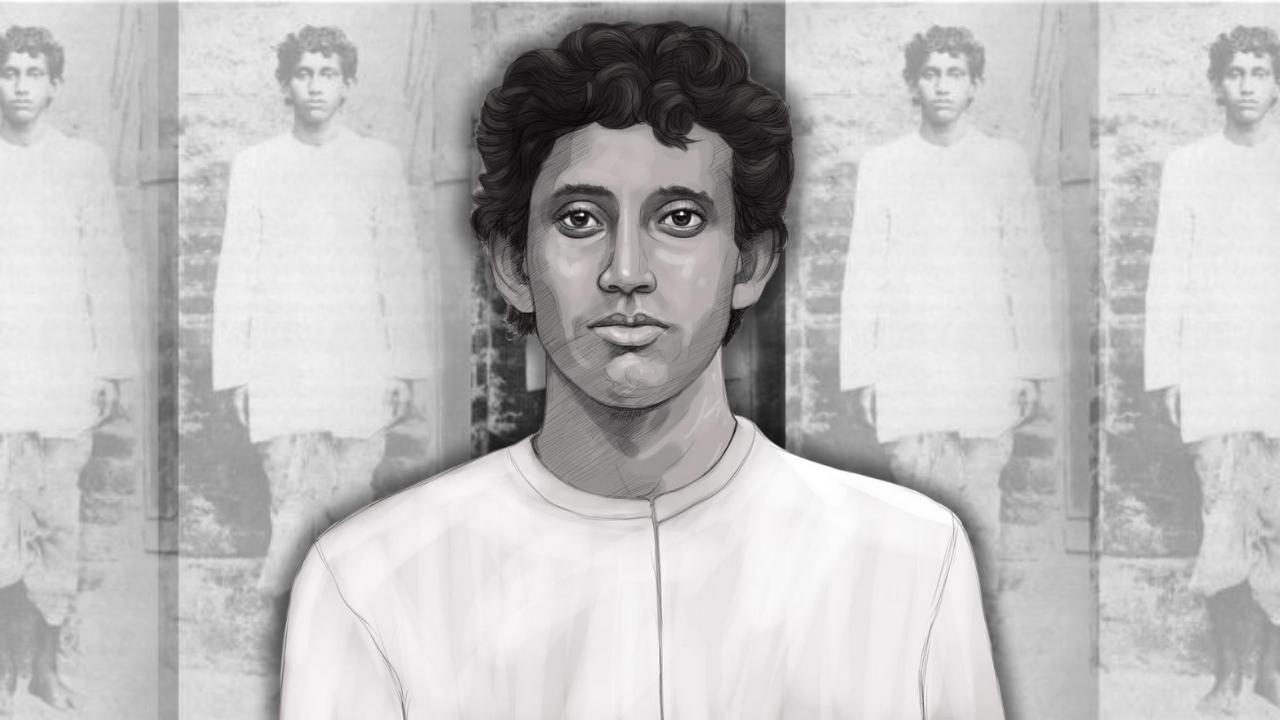
Khudiram Bose’s legacy stands as a solemn reminder of extraordinary courage, patriotism, and sacrifice. His name is etched in golden letters in the history of India’s freedom struggle, symbolising youthful bravery, unflinching national spirit, and the fire of revolution.
Born on December 3, 1889, in the small town of Habibpur in present-day West Bengal, Khudiram grew up during an intense period of nationalist awakening. He was influenced by the writings of Bankim Chandra Chattopadhyay and the teachings of Swami Vivekananda. From an early age, he showed remarkable maturity and a resolute spirit against injustice. These qualities drew him towards the revolutionary movement that was gaining ground in Bengal. The partition of Bengal in 1905 by Lord Curzon fuelled widespread protest and resentment across the province. Khudiram, still in his teens, immersed himself in this rising tide of resistance. He began by distributing pamphlets, which helped spread the message of defiance among the masses, and soon became associated with the Anushilan Samiti, a secret organisation committed to ending British rule through armed struggle.
An Eighteen-Year-Old Who Challenged the British Raj
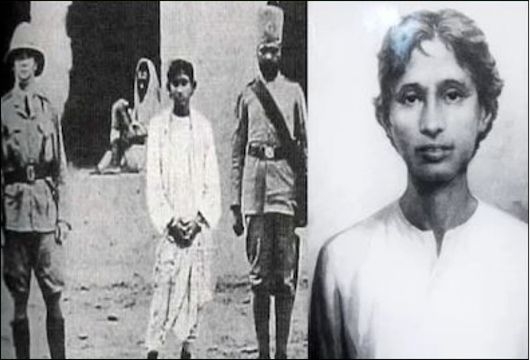
The British judge Douglas Kingsford had earned the anger of nationalists due to his harsh and punitive judgments against political activists. The revolutionaries resolved to eliminate him as a symbol of imperial oppression. Khudiram and Prafulla Chaki were chosen for this mission. On April 30, 1908, in the small town of Muzaffarpur in Bihar, they waited for Kingsford’s carriage. Fate intervened when the bomb they threw struck the wrong vehicle, killing two British women, Mrs Kennedy and her daughter, while Kingsford escaped unharmed. The mission failed to achieve its main target, yet it sent shockwaves through the British administration. The colonial authorities, stunned by the boldness of such a young revolutionary, launched a massive manhunt. Prafulla Chaki, trapped by the police, took his own life to avoid arrest, while Khudiram, exhausted and alone, was eventually captured at Waini railway station.
Khudiram’s trial unfolded like a political drama that exposed the stark divide between colonial justice and the aspirations of a subjugated people. Only eighteen at the time, he faced the charges with exceptional composure. His face carried the same fearless determination that had driven him into the revolutionary movement. Throughout the trial, he showed unwavering belief in the righteousness of his cause and refused to express remorse. His defence team, which included renowned lawyers such as Chittaranjan Das, could not alter the inevitable outcome in a court determined to set an example. On May 13, 1908, Khudiram was sentenced to death, a verdict that stirred grief and admiration across the nation. Appeals for clemency came not only from Indian sympathisers but also from some moderate political leaders, although the British government remained unyielding.
On August 11, 1908, Khudiram walked to the gallows in Muzaffarpur Central Jail with the calm dignity of a soldier walking to a battlefield. Dressed in a simple dhoti, he smiled at the crowd that had gathered outside and showed no sign of fear. Eyewitnesses recalled that he remained composed and almost cheerful until the very end, a testament to his remarkable courage and clarity of purpose. At eighteen years and eight months, he became one of the youngest martyrs of India’s long struggle for independence. His execution ignited widespread anger and sorrow across Bengal and the rest of India. Public gatherings, poems, and songs celebrated his sacrifice, and his portrait began to appear in homes as a symbol of resistance. For the youth, he became more than a martyr. He became a role model who demonstrated that even the youngest and seemingly powerless could challenge the might of the British Empire.
Khudiram’s Life and Sacrifice
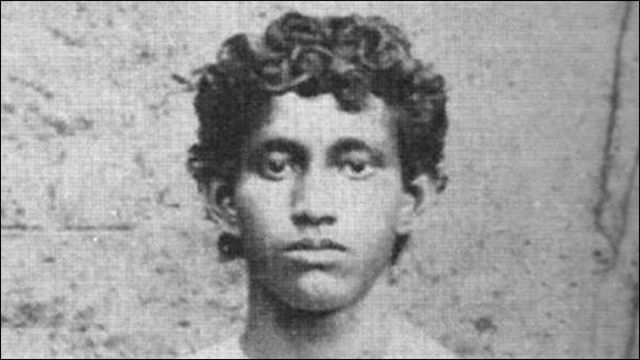
The aftermath of Khudiram’s death brought a noticeable shift in the outlook of the freedom struggle. His martyrdom deepened the divide between the moderates and the extremists within the Indian National Congress. The moderates viewed his death as a tragedy that revealed the harshness of British rule and also highlighted the risks of armed rebellion. The revolutionaries, however, regarded it as a call to intensify their efforts. For them, his sacrifice proved that the pursuit of independence required the highest form of commitment.
Khudiram Bose lives on in the collective memory of the nation as a symbol of youthful defiance and selfless patriotism, inspiring generations to uphold the values he died defending.
Article by
Kewali Kabir Jain
Journalism Student, Makhanlal Chaturvedi National University of Journalism and Communication