Faith, Activism and Foreign Money: How Protest Movements Disrupted Bharat’s Development Projects
02 Jan 2026 15:56:31
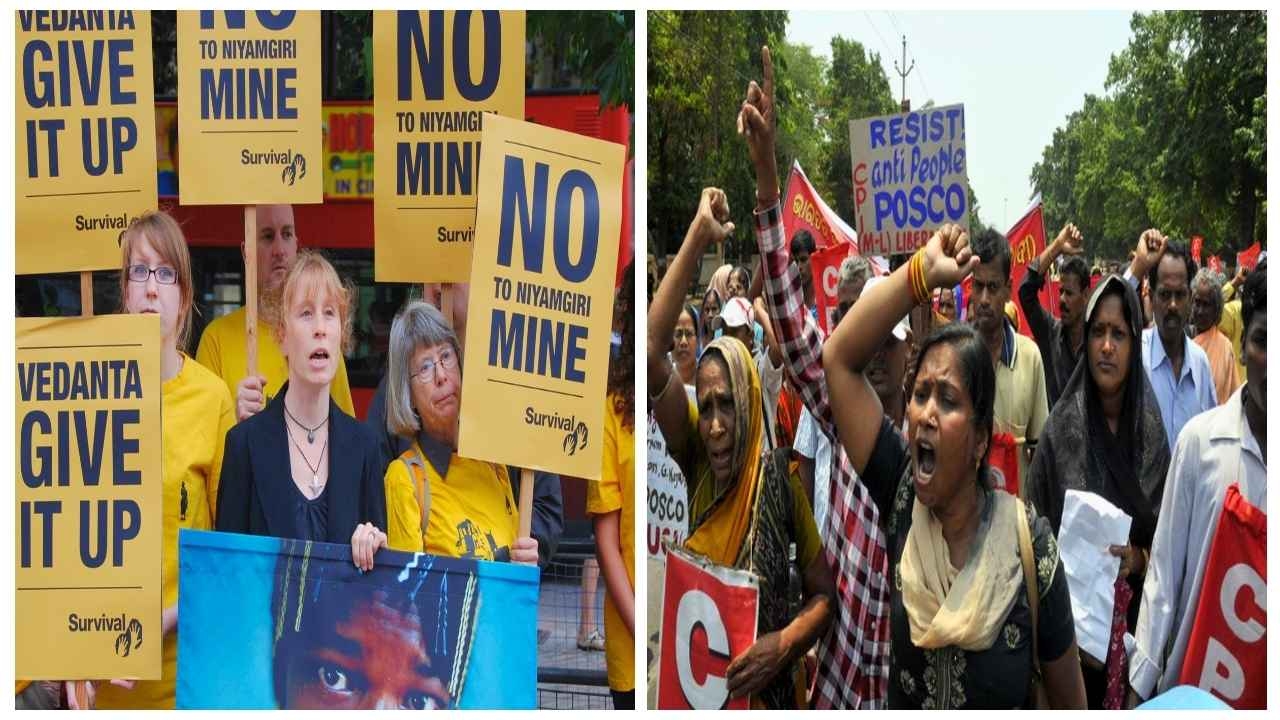
Bharat’s post-independence development journey has repeatedly encountered organised resistance in the name of the environment, displacement, and human rights. A closer examination of several high-profile agitations reveals a pattern: one where church-backed activism and ideologically driven movements converged to obstruct strategic industrial and infrastructure projects critical to national growth.
POSCO Project, Odisha (2010): Industrialisation Branded as Injustice
In May 2010, South Korea’s POSCO steel and iron plant project in Odisha, which was one of the largest foreign direct investments proposed in Bharat, came under intense opposition. Church officials, including Fr Ajay Kumar Singh of the Cuttack-Bhubaneswar Archdiocese and Mgr Lucas Kerketta, Bishop of Sambalpur, openly joined protests alongside villagers.
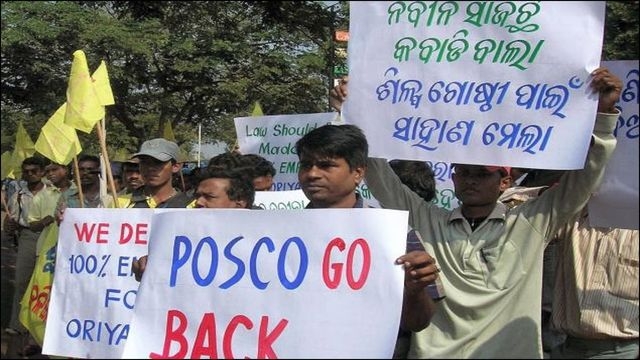
The Church claimed the project would lead to forced eviction, the destruction of farmland, forests, and water resources, and would adversely affect tribal communities. Protestors physically blocked access to project sites, asserting that they were "protecting their rights." Bishop Kerketta went on record stating that the government should prioritise the needs of people over industrialisation and that issues of relocation and employment could be resolved "amicably."
What was often overlooked in this narrative was the project’s potential to generate massive employment, build infrastructure, and integrate Odisha into global manufacturing chains. Years of sustained agitation ultimately derailed the project, sending an adverse signal to global investors about Bharat’s policy stability.
Niyamgiri Hills (2009–2012): Mining Halted, Development Denied
A similar template played out in the Niyamgiri Hills of Odisha, where Vedanta’s bauxite mining project faced stiff resistance from churches and church-backed NGOs. The opposition claimed that mining would displace nearly 8,000 Dongria Kondh tribals and devastate the fragile ecology of the region.
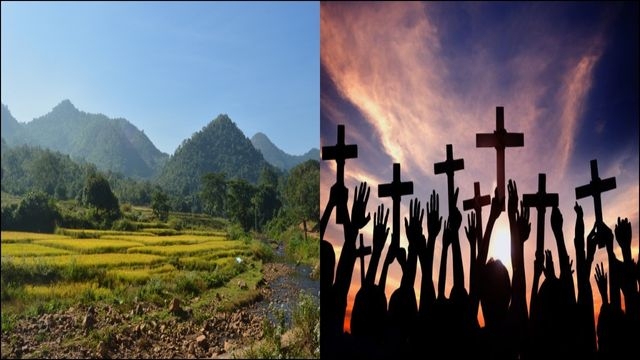
Church-supported activism mobilised international pressure and sustained local protests. By 2012, Vedanta announced the closure of its Lanjigarh refinery, which had been built to process the estimated 78 million tonnes of bauxite reserves in the Niyamgiri range.
While the rhetoric focused on environmental protection, the long-term consequences for local employment, regional industrialisation, and mineral self-reliance were scarcely addressed. The outcome was a familiar one: stalled projects, lost livelihoods, and continued economic stagnation in mineral-rich tribal regions.
Sardar Sarovar Dam (1985–2017): Decades of Protest Against a Lifeline Project
The Sardar Sarovar Dam on the Narmada River stands as one of independent Bharat’s most contested development projects. From the mid-1980s through to 2017, the Narmada Bachao Andolan (NBA), led by activists such as Medha Patkar, spearheaded protests citing displacement, environmental damage, and harm to farmers and tribals in Gujarat and Madhya Pradesh.
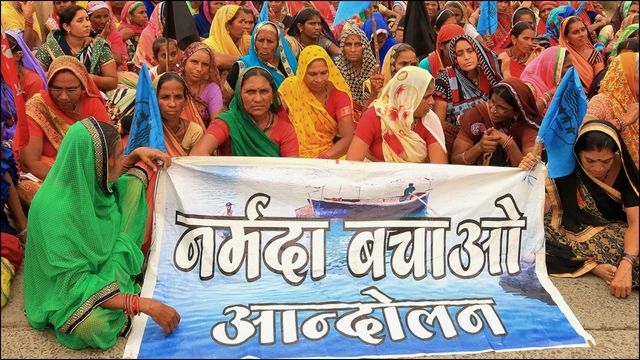
Agitators argued that increasing the dam’s height would submerge forests, fertile land, and wildlife habitats. In 1993, sustained pressure from the movement led the World Bank to withdraw funding from the project. Even in 2017, when the dam height was raised to 138.68 metres to realise its full irrigation and drinking water potential, activists launched fresh protests and hunger strikes.
What remained understated was the dam’s role in providing water and electricity to millions, mitigating drought, and transforming agrarian economies across western Bharat. The costs of prolonged opposition were borne largely by drought-prone regions waiting for water security.
In a nutshell
These cases show how faith driven activism and foreign funded networks delayed vital projects, raising hard questions about balance between rights, growth, jobs, water security, and national interest in Bharat.
Article by

Kewali Kabir Jain
Journalism Student, Makhanlal Chaturvedi National University of Journalism and Communication