From Dating to Deception: The Rising Cases of Love Jihad
02 Jan 2026 18:06:16
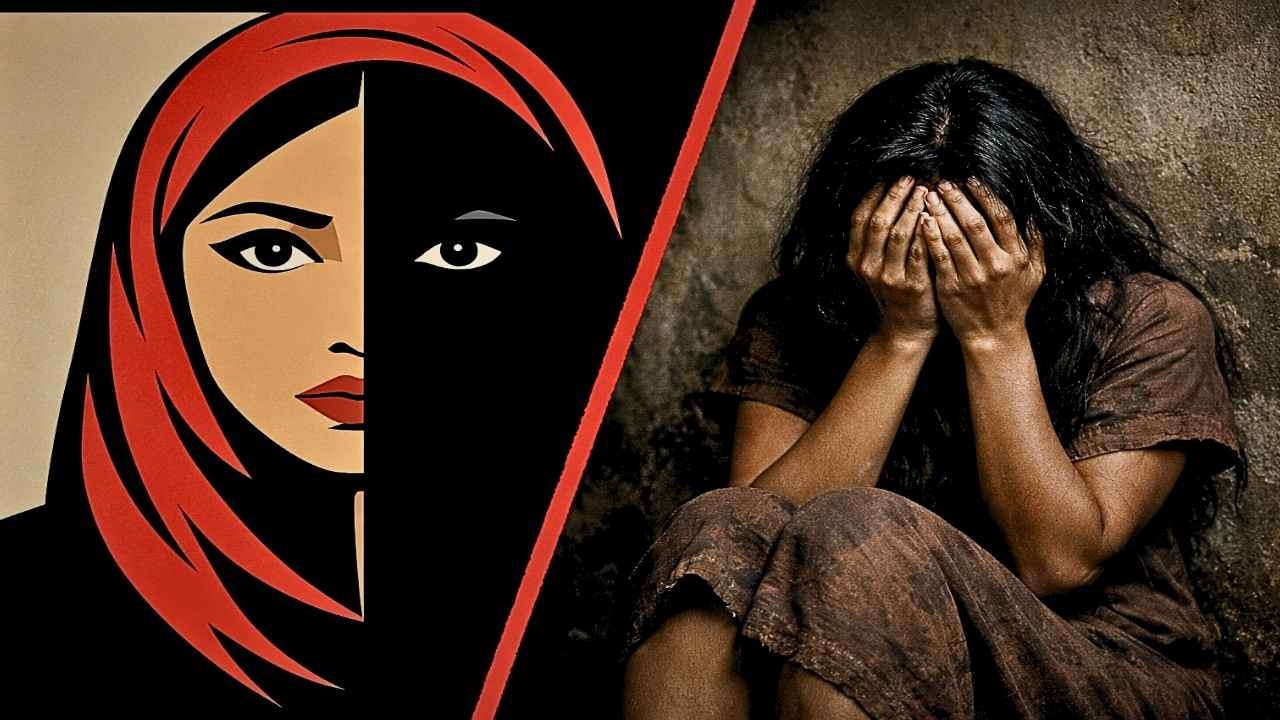
A growing number of cases involving deceptive relationships, sexual abuse and forced religious conversion commonly termed “Love Jihad” have triggered nationwide concern, protests and legal scrutiny across multiple Indian states in recent years.
The term “Love Jihad”, widely used in public discourse, refers to alleged instances where Hindu women and men are reportedly lured into relationships through concealment of identity, emotional manipulation and coercion, culminating in sexual exploitation and pressure to convert. While contested by some, multiple states have recorded cases that authorities and courts are now examining with increasing seriousness.
One of the most disturbing recent incidents is the murder of Neha Hiremath, a 23 year-old BCA student in Karnataka, who was stabbed to death on her college campus by her partner after she allegedly tried to end contact with him. The killing sparked statewide protests, with women’s groups and Hindu organisations linking it to a broader pattern of grooming, intimidation and refusal to accept consent withdrawal. Police investigations continue, but the case has become a flashpoint in Karnataka’s debate on interfaith crime and campus safety.
The Congress leader whose daughter Neha was k¡Iled by Mohd Fayaz in Hubli, Karnataka. https://t.co/oE3ULkUvTt pic.twitter.com/6MjxOHcnmT
— Treeni (@treeni) April 18, 2024
In Madhya Pradesh, the state government has officially recorded 283 cases between 2020 and mid-2024, including 73 involving minors, under laws addressing forced religious conversion. The Malwa–Nimar region, historically associated with extremist activity, has emerged as a major cluster. Despite this, conviction rates remain low, with many cases pending or ending in acquittal, often amid claims that victims face social pressure, intimidation or compromise. A special investigation team (SIT) has been constituted under the state’s Freedom of Religion Act, indicating official recognition of the issue’s seriousness.

Uttar Pradesh has seen both high case volumes and rare judicial clarity. A Bareilly court recently described Love Jihad as a systematic pattern involving identity concealment, sexual exploitation and conversion pressure, rather than isolated relationship disputes. Reports suggest that around 200 such cases were documented nationwide in 2024, many involving blackmailing Hindu women with intimate photos, trapping widows and divorced women, and even using live‑in arrangements to gradually force burqa, namaz and conversion.
Karnataka police dossiers list at least 15 serious cases involving minors, married women and working professionals. Allegations range from rape and blackmail to forced religious practices. Civil society groups argue that these incidents point to vulnerabilities faced by women across age groups and social classes, rather than sporadic criminal acts.
A compilation of at least fifteen recent cases from Karnataka has raised serious concerns about the safety and vulnerability of Hindu women across age groups and social backgrounds. The reported incidents include allegations involving a 17 year-old minor in Hubballi, a married woman in Belagavi subjected to sexual assault and coercion, and a Bengaluru-based software professional who alleged sexual abuse and sustained pressure to convert. Several cases also involve college-going or underage girls who were reportedly lured into relationships, later facing intimidation, blackmail and threats.
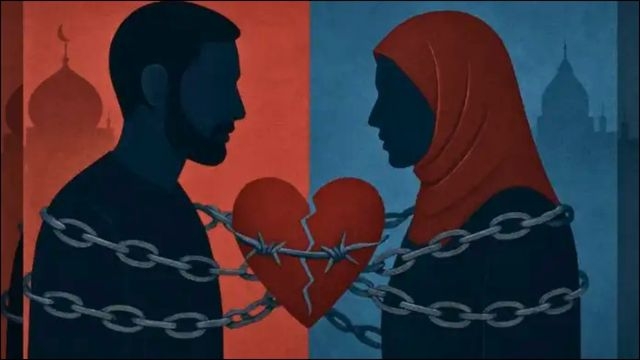
Investigators and civil society groups point to a recurring pattern in these allegations: romantic relationships used as an entry point, followed by isolation from family, sexual exploitation, documentation of intimate acts, and escalating coercion. Victims are often presented with an ultimatum compliance and conversion, or public shaming, violence and social ruin. Hindu organisations in the state argue that high-profile cases, including the killing of Neha Hiremath, may represent only the most visible instances of a wider problem, warning that fear and silence among affected families could be masking a larger underlying trend.
Further concerns have emerged from Odisha and Sambhal (Uttar Pradesh), where investigations have suggested the presence of organised networks allegedly offering financial incentives for religious conversions through marriage. Judicial and administrative reports from communally sensitive districts warn of intimidation, social polarisation and demographic anxiety, though many allegations remain under investigation.
Conclusion
Taken together, these cases, whether ultimately proven or not, have exposed deep anxieties around consent, identity, justice delivery and women’s safety in interfaith relationships. For many families, the issue transcends politics, touching on trust, dignity and social cohesion. As courts, police and lawmakers grapple with these allegations, the challenge lies in ensuring justice without prejudice, protecting individual rights while responding firmly to exploitation, coercion and violence.
Article by

Mokshi Jain
Sub-editor, The Narrative