India First: How Narendra Modi’s Diplomacy Reclaimed the Republic’s Strategic Voice
Modi’s India First diplomacy strengthens strategic autonomy, builds global partnerships and gives India a stronger voice on the world stage.
Total Views |


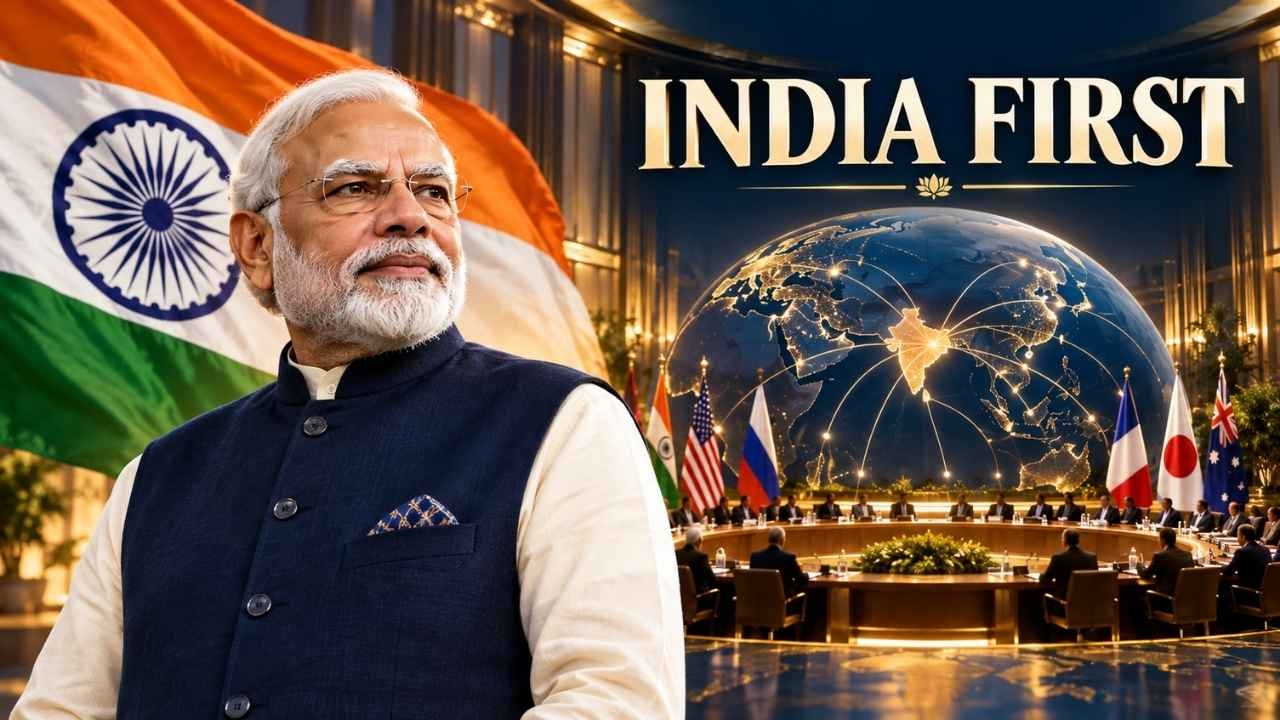
From a modest town in Gujarat to the high tables of global power, Narendra Modi’s journey mirrors India’s own transformation. What began as public service rooted in the soil of Vadnagar has matured into a foreign policy doctrine that places national interest above sentimental alliances or inherited inhibitions. In an era of collapsing old orders, war in Europe, chaos in West Asia, intensifying great-power rivalry India under Modi has refused the role of spectator or junior partner.
The post-2014 shift is unmistakable. India no longer conducts diplomacy as an apologetic exercise in non-alignment that often translated into non-engagement. Parallel relationships are cultivated without apology: a strategic partnership with the United States, time-tested ties with Russia, expanding defence and technology cooperation with France, active participation in the Quad, deepening energy and investment links with the Gulf, and a determined push to give the Global South institutional weight. This is not fence-sitting. It is the confident assertion that India’s interests are singular and non-negotiable.
_202610101515546022_H@@IGHT_360_W@@IDTH_640.jpg "1 image (1)")
The 2023 G20 presidency in New Delhi crystallised this approach. “One Earth, One Family, One Future” was more than a slogan; it was civilizational confidence translated into diplomatic language. The permanent inclusion of the African Union was not tokenism. It was a direct challenge to the outdated architecture of global governance still dominated by twentieth-century power realities.
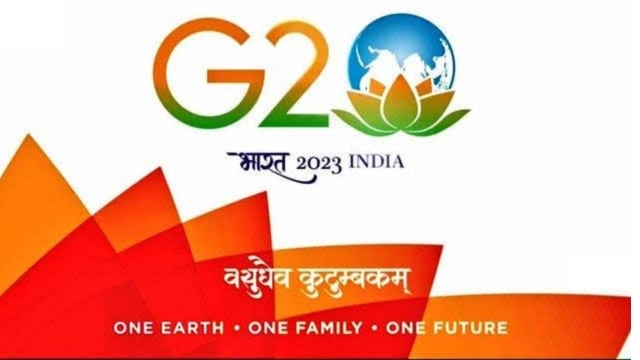
India used the platform to insist that nations representing the bulk of humanity can no longer be treated as permanent rule-takers. The Voice of Global South summits reinforced the same point: food security, energy access, debt burdens, climate finance, and technology gaps are not peripheral concerns. They are the core unfinished business of the international system.
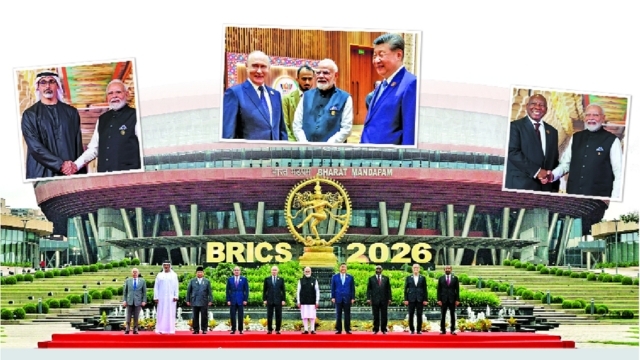
BRICS under India’s 2026 presidency continued this thread. Resilience, innovation, cooperation, and sustainability were framed not as abstract goals but as practical instruments for developing nations to shape outcomes rather than merely absorb them. Multilateral reform is no longer a polite talking point; it is a demand backed by India’s growing economic and political weight.
The Russia-Ukraine conflict tested this doctrine severely. India refused the binary pressure to pick a side for the sake of Western applause. Dialogue remained the stated path to resolution. Simultaneously, Operation Ganga demonstrated that foreign policy is measured by results for citizens, not by statements. Thousands of Indians were brought home safely from a war zone. An Indian passport now carries the weight of state resolve.
In West Asia the same realism prevails. Defence and technology cooperation with Israel advances alongside energy security and diaspora interests with the Gulf states and continued engagement with Iran. This is not a contradiction; it is the rejection of ideological purity tests that smaller powers once imposed on themselves. Friendship is welcome. Dependency is not.
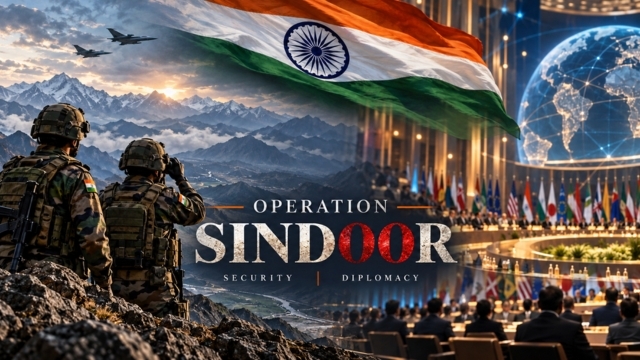
The response to cross-border terrorism after the Pahalgam attack in 2025 marked another decisive break. Operation Sindoor targeted the infrastructure of terror and was paired with a sustained diplomatic campaign that framed terrorism as a global security threat rather than a bilateral grievance. Zero tolerance is no longer rhetorical. It is operational and diplomatic.
In the Indo-Pacific, the Quad and the SAGAR vision reflect the same clarity. Maritime security, supply chains, critical minerals, and rules-based order matter because power in this century will be decided as much at sea as on land. India participates as a stakeholder seeking stability, not as a junior member of anyone else’s containment strategy.
Climate and technology initiatives in the International Solar Alliance, Coalition for Disaster Resilient Infrastructure, Mission LiFE, Global Biofuels Alliance extend this approach beyond traditional hard power.
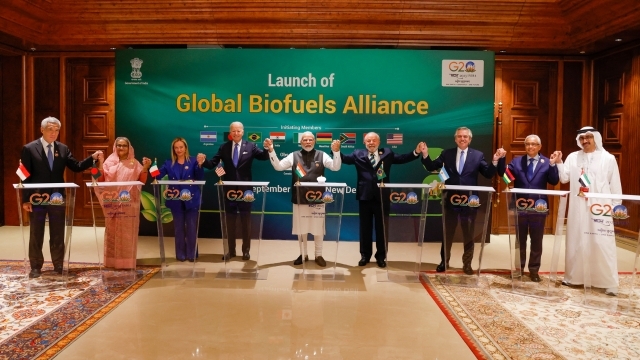
Leadership in the twenty-first century will belong to those who offer solutions to shared challenges without surrendering national development. India’s message is that growth and environmental responsibility are not mutually exclusive when pursued with civilizational confidence rather than western guilt.
The deeper question is not the number of visits or awards. It is whether India has redefined its place in the global order. The evidence points to a country that can maintain ties with both Washington and Moscow, partner with Israel while talking to Iran, expand Gulf energy relations while amplifying Africa’s institutional voice, and absorb Western technology while remaining rooted in its own civilizational identity. This is strategic autonomy practised without apology.
History will render its final judgement on institutions strengthened, strategic space expanded, and legacies left. What is already visible is a change in national temperament. India no longer waits on the sidelines for others to decide the terms of discourse. It brings its own interests, its own civilizational perspective, and its own economic and strategic capabilities to the table.
That journey from Vadnagar to the global stage is larger than any single leader. It is the rediscovery of Indian self-confidence in a world that is itself being remade.
Written by
Kewali Kabir Jain
Journalism Student, Makhanlal Chaturvedi National University of Journalism and Communication