From Texas to Canada: The Targeting of Sanatan Traditions
Across North America and beyond, repeated controversies raise concerns over satire, social media and respect for Hindu sacred traditions.
Total Views |


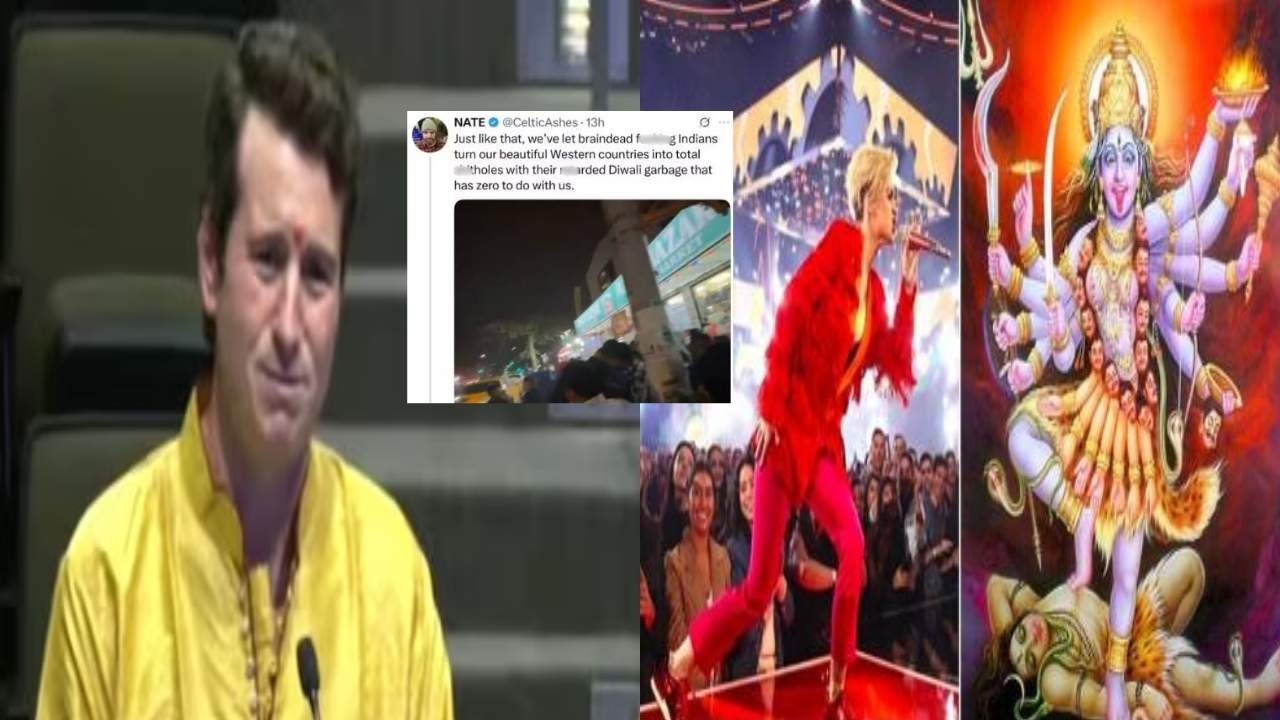
In recent years, a series of incidents across Western nations and Southeast Asia have reignited debate over how Hindu beliefs and sacred practices are portrayed in global public discourse. Between 2017 and 2026, at least eight high-profile episodes involving foreign entertainers, digital influencers and media personalities triggered backlash for what many described as overtly mocking depictions of sacred art and ritual, often rendered in obscene or trivialised forms.
Although each case unfolded within a distinct socio-political environment, collectively they reveal a recurring tension between performative satire, artistic expression and religious reverence in the digital age.
The Plano City Council Controversy
The most recent episode occurred on 10 February 2026 in Plano, where American comedian and YouTuber Alex Stein delivered a satirical address at a city council meeting. Dressed in traditional Indian attire, he caricatured Hindu practices associated with cow reverence and made exaggerated references to gomutra and cow dung.
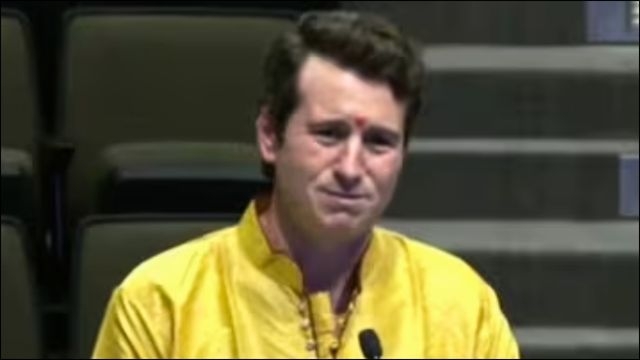
The performance prompted several Indian-American attendees to walk out. It also triggered criticism online, with many observers describing the act as reductive and disrespectful towards a deeply rooted civilisational ethos. Supporters framed it as political satire, yet critics argued that the portrayal relied on cultural distortion rather than informed commentary.
Environmental Commentary and Sacred Geography
Weeks earlier, British television presenter Jeremy Wade, widely known for hosting River Monsters, posted a video in which he tested water from the Ganga. After demonstrating the presence of contaminants using a chemical indicator, he remarked that the river water was "full of human waste".

Some defended the video as environmental commentary intended to highlight pollution. Others contended that the framing failed to acknowledge the Ganga's sacred status within Hindu tradition. For critics, the presentation reduced a profound spiritual symbol to a laboratory experiment stripped of cultural and theological context.
Ritual Representation and Viral Framing
In October 2025, US YouTuber Tyler Oliveira drew sharp criticism for his portrayal of the Gorehabba ritual in Karnataka. Wearing protective gear and titling his video "I Survived India's Poop-Throwing Festival", Oliveira's framing was perceived by many as trivialising a devotional practice associated with the worship of Beereshwara Swamy.
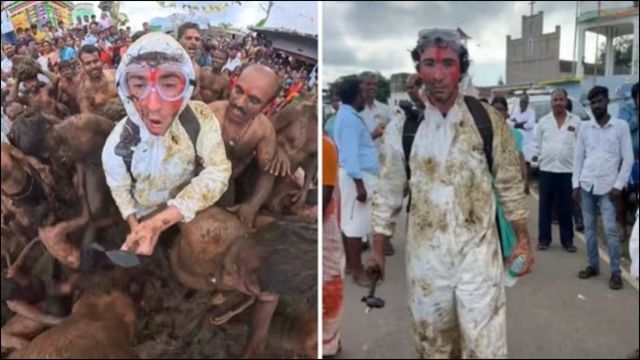
For the local community, the ritual represents inherited faith, collective identity and continuity of tradition. Critics argued that the video repackaged a religious observance as spectacle, designed primarily for viral consumption rather than cultural understanding.
Diwali and Multicultural Tensions in Canada
Canada witnessed multiple controversies during the same period. In Alberta, an engineer faced backlash after dismissing Diwali greetings as "nonsense" in a widely circulated email response. Separately, a Canadian vlogger posted footage of Diwali celebrations abroad accompanied by inflammatory language directed at Indians, prompting accusations of racism.
Dear @Netflix_CA and other service providers & vendors,
— Martyupnorth®- Unacceptable Fact Checker (@Martyupnorth) October 17, 2025
You already know everything about me from all my personal information that you keep collecting. Let me repeat some of it. I'm a middle aged white guy from Alberta, who like war movies, science fiction, and real crime… pic.twitter.com/kypI3S3QYf
Both incidents occurred amid the growing mainstream recognition of Diwali across Canadian civic spaces. Observers noted that these episodes underscored underlying tensions surrounding multicultural expression and the negotiation of religious visibility in plural societies.
Legal Consequences in Malaysia
In Malaysia, three Era FM radio hosts, Nabil Ahmad, Azad Jasmin and Radin Amir, were suspended after sharing a video that mimicked the kavadi ritual performed during Thaipusam. Authorities initiated investigations under relevant penal provisions, and the presenters subsequently issued public apologies.

The episode demonstrated how religious sensitivities in multi-ethnic societies can carry formal legal consequences, particularly when public figures engage in culturally charged parody.
Sacred Imagery in Popular Culture
The entertainment industry also featured prominently in this pattern of controversy. Canadian rapper Tommy Genesis faced backlash over visuals in her song True Blue, which evoked imagery associated with the Hindu Goddess Kali. Critics argued that sacred symbolism had been aestheticised without due regard for theological meaning.
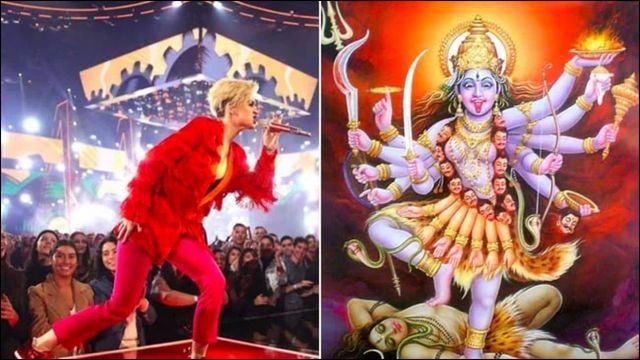
Similarly, in 2017, American pop star Katy Perry attracted criticism after posting an image of Goddess Kali on Instagram captioned "current mood". Some users considered the gesture irreverent and indicative of a broader tendency to detach religious iconography from its doctrinal significance.
A Recurring Pattern in the Digital Age
Taken together, these episodes point towards an emerging pattern. Hindu iconography and ritual practices are frequently reframed through lenses of satire, shock value or artistic provocation within global media ecosystems. Social media algorithms amplify such portrayals instantaneously, often divorcing them from historical depth and theological nuance.
For Hindu communities in Bharat and across the diaspora, the concern extends beyond isolated remarks or performances. It engages broader questions of civilisational dignity, cultural literacy and equal respect within plural societies. The debate is not merely about offence. Rather, it centres on whether sacred traditions receive intellectual seriousness and contextual engagement, or whether global digital culture continues to reduce them to caricature in pursuit of attention and controversy.
Written by
Kewali Kabir Jain
Journalism Student, Makhanlal Chaturvedi National University of Journalism and Communication