From “Red Corridor to Kid Safe Zone” : The New Story of Abujhmarh
Once an impregnable Maoist stronghold, Abujhmarh is emerging as a model of child safety, awareness and grassroots development, with “Operation Jhilmil” redefining security through social transformation
Total Views |


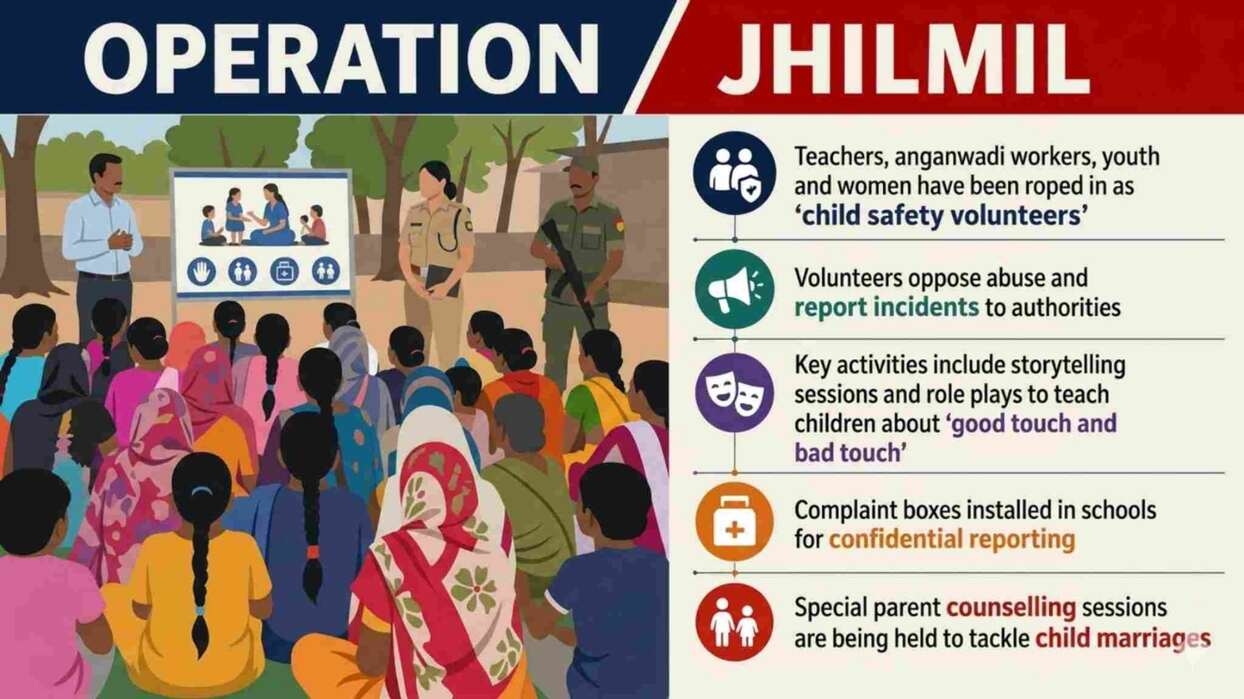
In Abujhmarh, along the Chhattisgarh-Maharashtra border, a region long associated with Maoist influence and considered a no-go zone, a new chapter is unfolding through “Operation Jhilmil”. Launched by Gadchiroli Police, the initiative focuses on child and women safety, education, awareness and community participation. Through village outreach, school sessions, local-language street plays, child safety volunteer networks, complaint boxes and rapid reporting systems across 110 villages, the campaign is working to transform a once hardline “Red Corridor” region into a “Kid Safe Zone”.
Nagpur-Gadchiroli Police’s initiative “Operation Jhilmil” is emerging not merely as a security campaign, but as a model of social rebuilding in one of India’s most neglected conflict zones. In an area once associated with midnight Maoist activity and armed operations, village-level awareness drives, school engagement and community-led safety programmes are now taking centre stage.
Located along the Chhattisgarh-Maharashtra border, Abujhmarh was for decades regarded as a major Maoist headquarters. Dense forests, absence of roads, limited government access and its reputation as a no-go zone for police and security forces made it one of the toughest pockets within the Red Corridor. It remained synonymous with insurgent influence, recruitment and training networks for years.
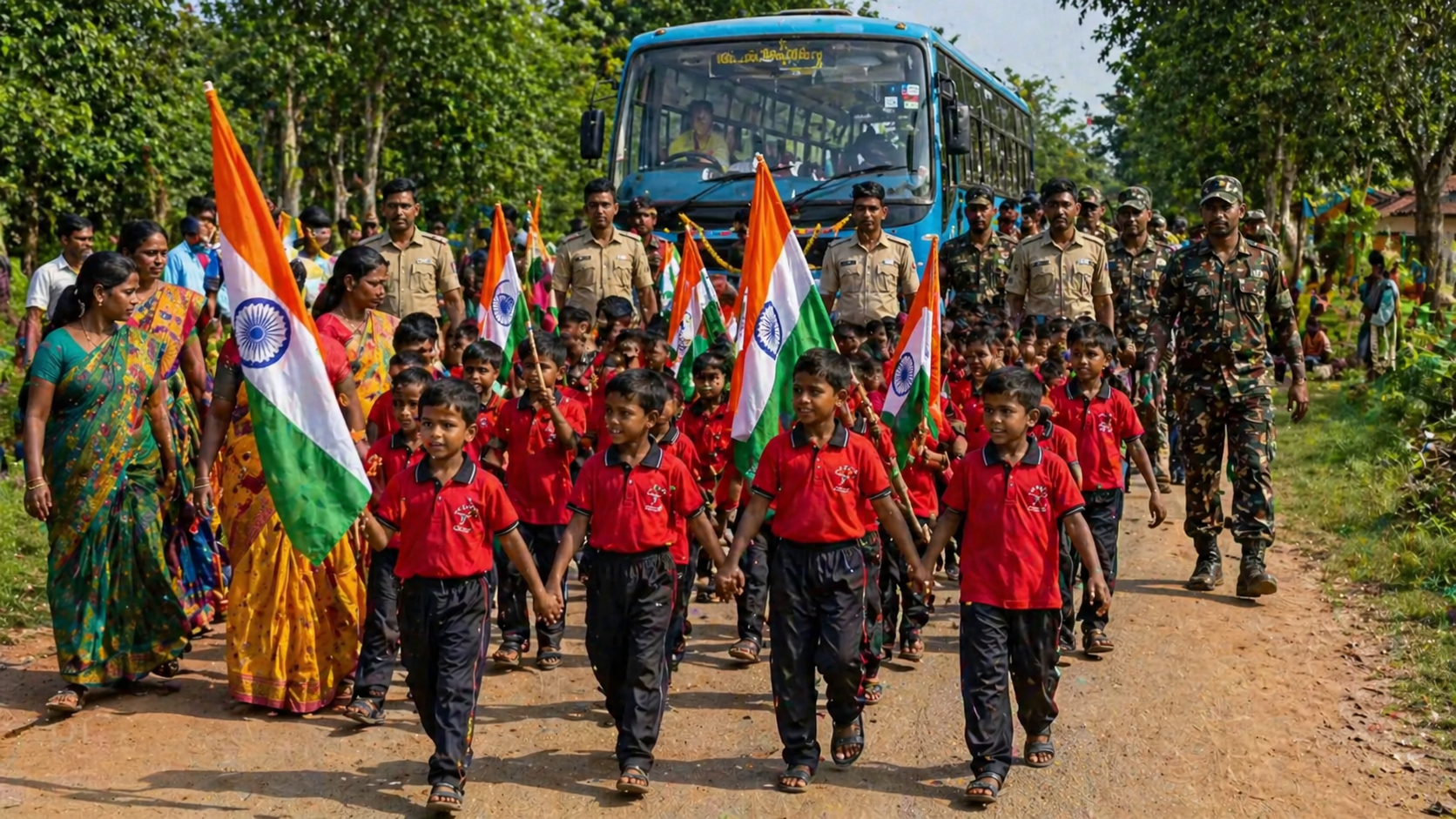
Today, however, a major shift is visible. This Red Corridor region is gradually being reshaped into a “Kid Safe Zone”, where governance is replacing guns, community engagement is replacing conflict-led interventions, and trust-building is emerging as the new security approach. Through Gram Bhet (village visits), school sessions and awareness programmes, the transformation is being driven at the grassroots.
The concept of a “Kid Safe Zone” centres on child and women safety through awareness and prevention. School sessions are educating children on good touch and bad touch, while awareness is also being spread about the POCSO Act, a law designed to protect children. The initiative also addresses child marriage, introduces complaint boxes in schools and uses WhatsApp groups for swift reporting mechanisms. The objective is not only protection from exploitation, but also building an aware and responsive community.
A key feature of the initiative is the creation of a local support network through “Bal Suraksha Doot” (Child Safety Volunteers). Under this strategy - teachers, anganwadi workers, young people and women are taking an oath to report child abuse and help ensure child safety. The model reflects a smart policing strategy where the system is being strengthened from within the community, rather than through pressure alone.
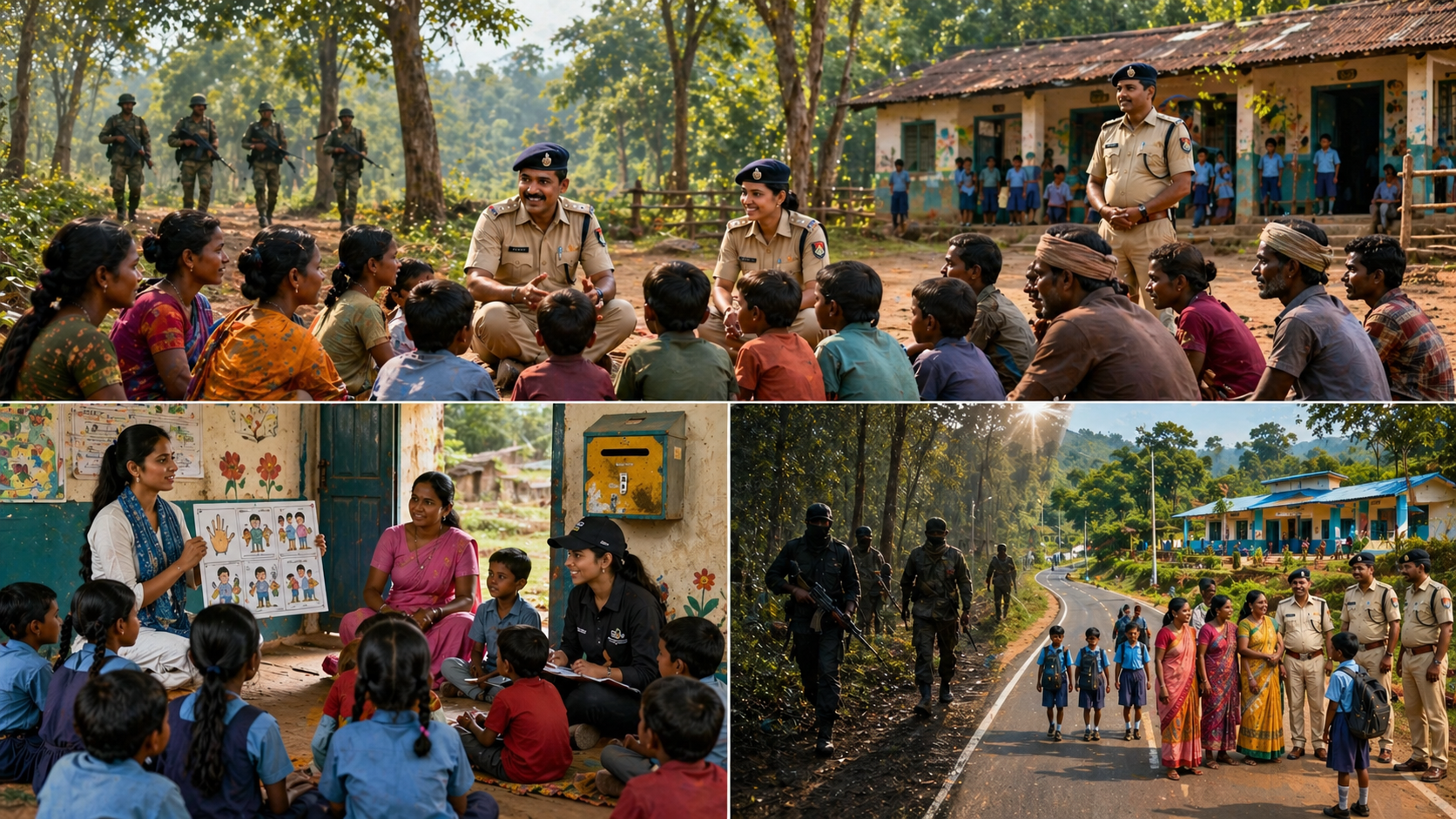
Around 110 villages are being covered under awareness campaigns across tribal belt areas, with street plays and storytelling in local languages helping take the message deeper into communities. The effort represents a large-scale transformation plan, signalling that the system is now being built from the inside out.
MUST READ - नक्सल खौफ का अंत: तीन दशक बाद बिना हथियार मेला संभाल रही पुलिस
The initiative also underlines the visible decline of Maoist dominance in the region. Abujhmarh, where Maoists held strong influence for nearly 30 to 50 years, is now seeing police camps, road infrastructure and school buildings - redefine the landscape.
The strategy itself appears to have shifted - from “Kill Insurgency” to “Win Society”. The belief driving this approach is that if the coming generation grows up free from coercion, educated and aware, Maoist recruitment will inevitably weaken and collapse.
Where guns and Maoist training once held sway, schools and child safety sessions are beginning to take over. This is not merely a story of development, but the emergence of a new phase in security strategy, where social trust and child protection are becoming central to counter-insurgency itself.
Written by

Mokshi Jain
Sub-editor, The Narrative