Pol Pot: The Fanatic Who Led Cambodia into Genocide
Between 1975 and 1979, Pol Pot’s Khmer Rouge regime turned Cambodia into a brutal labour state where starvation, executions and fear claimed millions of lives.
Total Views |


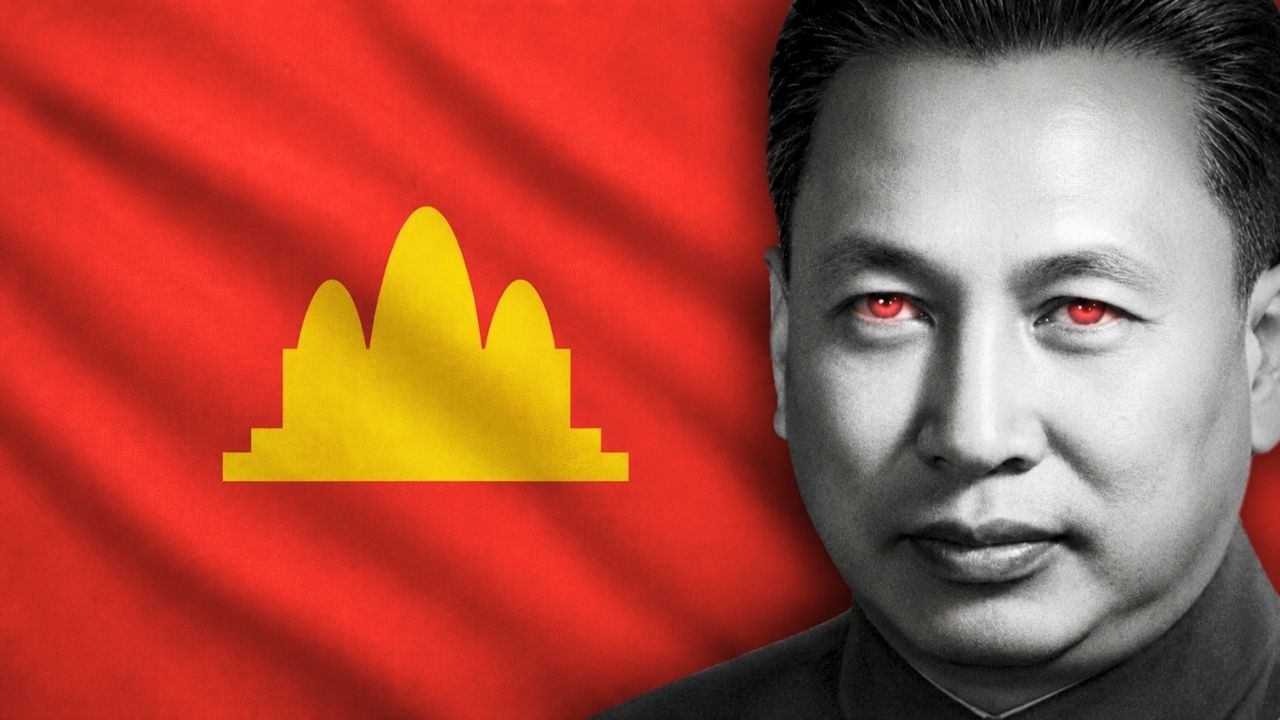
History is replete with tyrants, conquerors, and despots, but few orchestrated the systematic destruction of their own nation with the cold ideological fanaticism of Pol Pot. May 19 marks the 101st birth anniversary of the fanatical leader of the communist Khmer Rouge, Pol Pot, who transformed Cambodia into a massive labour camp between 1975 and 1979. In his pursuit of a radical Marxist-Leninist agrarian utopia, he engineered a genocide that claimed the lives of an estimated 1.5 to 2 million Cambodians, nearly a quarter of the country's population.
The story of Pol Pot serves as a chilling testament to the devastating consequences of radical ideologies that seek to erase civilisational heritage, religion, and human individuality in the name of an imagined utopia.
The Making of a Fanatic
Born Saloth Sar in 1925 to a relatively prosperous farming family, the man who would become Pol Pot did not initially seem destined for infamy. His radicalisation began during his time studying radio electronics in Paris in the 1950s. It was there that he immersed himself in Marxist-Leninist literature and joined the French Communist Party.
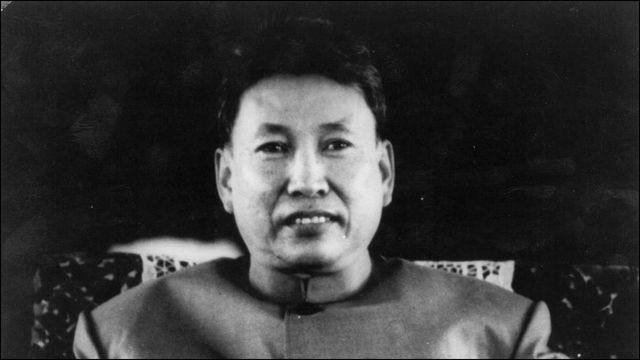
Upon returning to Cambodia, he became a central figure in the underground communist movement and eventually led the Khmer Rouge. Capitalising on the political instability caused by the spillover of the Vietnam War and a devastating bombing campaign, the Khmer Rouge steadily gained ground. On April 17, 1975, they captured the capital, Phnom Penh, plunging Cambodia into its darkest era.
"Year Zero": The Eradication of Civilization
The moment the Khmer Rouge took power, Pol Pot declared "Year Zero." The objective was absolute: to dismantle every pillar of traditional Cambodian society and rebuild it as a classless agrarian society free from foreign influence, capitalism, and urban intellectualism.
To achieve this, the regime implemented policies of unimaginable cruelty:
Forced Evacuation
Within days of taking Phnom Penh, millions of city dwellers were forced out of their homes at gunpoint and marched into the countryside to work on collective farms.
Abolition of Institutions
Money, private property, free markets, and the judicial system were abolished. Schools and hospitals were shut down.
Destruction of Religion and Culture
Cambodia's deep-rooted Buddhist heritage was brutally suppressed. Monks were defrocked, tortured, or executed. Temples, mosques, and churches were desecrated or repurposed as torture centres. The traditional family structure was dismantled, with children separated from their parents to be indoctrinated by the state.
The Killing Fields
The agrarian utopia envisioned by Pol Pot quickly devolved into a nationwide death camp. The urban populace, labelled "New People," was subjected to gruelling agricultural labour for which they were entirely unprepared.
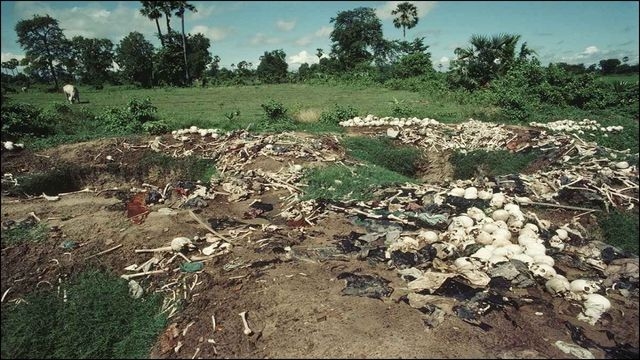
The death toll skyrocketed due to a combination of horrific factors:
Starvation and Disease
Forced to work 12 to 15 hours a day with meagre rations of water and rice gruel, hundreds of thousands died from malnutrition and preventable diseases.
Targeting of Intellectuals
The regime exhibited a paranoid hatred for intellectuals. Anyone suspected of having an education was targeted for execution.
Speaking a foreign language, possessing a book, or even wearing eyeglasses was enough to warrant a death sentence.
State Terror
The regime established a vast network of prisons and execution sites, the most notorious being the S-21 (Tuol Sleng) prison. Here, thousands of men, women, and children were interrogated, brutally tortured, and then transported to the "Killing Fields" to be bludgeoned to death in order to save bullets.
The Ideological Warning
The Khmer Rouge's ideology was a toxic blend of Marxism and militant xenophobia. It demonstrated what happens when a state views its own history, religion, and cultural traditions not as an anchor, but as an enemy to be annihilated.
The Khmer Rouge sought to create a "New Man" by wiping the slate clean. In doing so, they destroyed the soul of a nation. The ancient ties that bound communities together were severed by a political cult that demanded absolute obedience to the Angkar (The Organization).
The nightmare officially ended in January 1979, when neighbouring Vietnam, responding to border skirmishes, invaded Cambodia and ousted the Khmer Rouge. However, justice for the victims remained elusive. Pol Pot and his loyalists retreated to the jungles near the Thai border, where they continued to fight a guerrilla war for nearly two decades.
In a bitter irony, Pol Pot never faced a tribunal for his crimes against humanity. He died in April 1998 under house arrest, reportedly from a heart attack, entirely unrepentant for the millions of lives he extinguished.
Written by

Kewali Kabir Jain
Journalism Student, Makhanlal Chaturvedi National University of Journalism and Communication