Hafiz Saeed Behind 10,000 Kashmir Militants? Pakistani Cleric Big Claim!
Madni’s unverified claim at a Bahawalnagar gathering linked to Hafiz Saeed’s political network revives scrutiny of LeT’s Kashmir operations and India’s long-standing allegations of cross-border terrorism
Total Views |


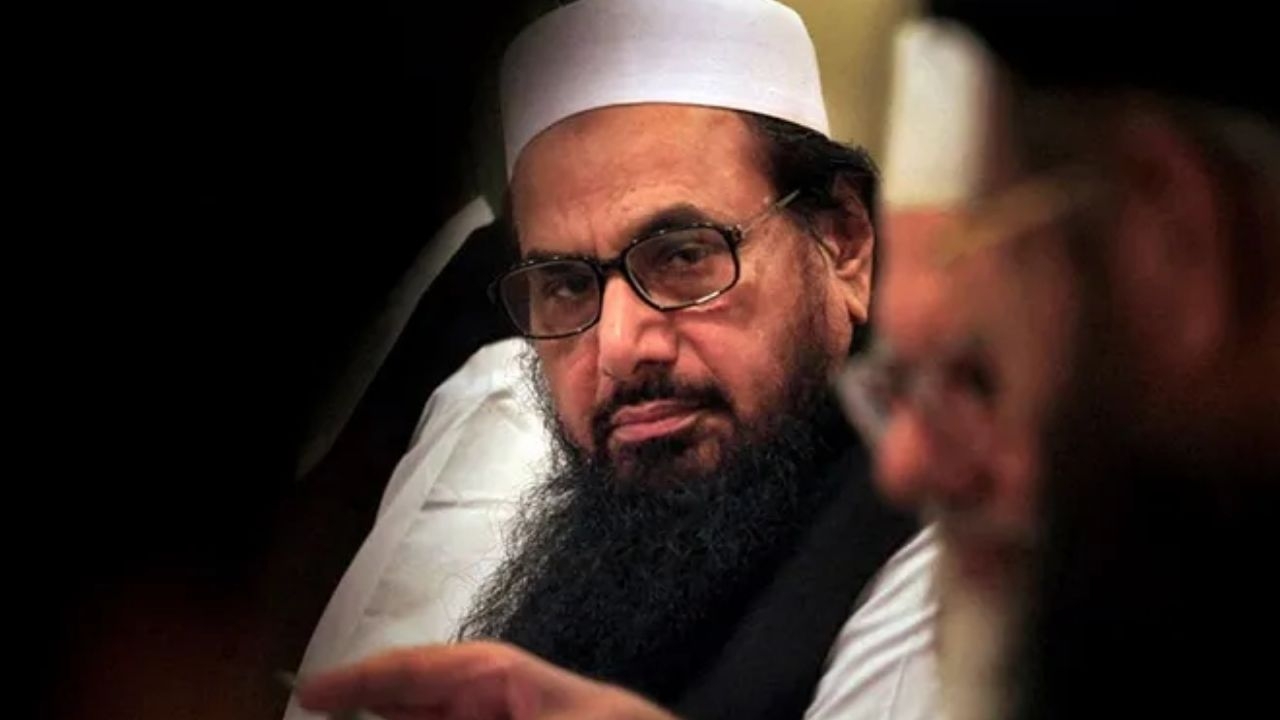
A Pakistani cleric’s August 14 speech in Bahawalnagar has drawn scrutiny after he claimed Hafiz Saeed sent 10,000 youths to Kashmir, reviving attention on Lashkar-e-Taiba’s record, political offshoots and continuing Indian terror investigations and prosecutions.
Pakistani cleric Allama Naseer Madni made the claim while addressing an Independence Day gathering in Bahawalnagar on August 14, 2026.
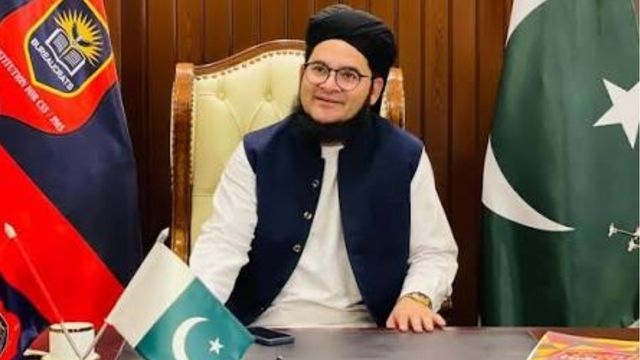
Reports from the event identify it with the Pakistan Markazi Muslim League (PMML), a political formation associated with figures from Hafiz Saeed’s network. Madni praised the jailed LeT founder and claimed that Saeed had sent 10,000 men to Kashmir.
The remarks nevertheless carry significance because of LeT’s documented history of operations against India. India has for decades accused Pakistan of supporting militant groups operating in Jammu and Kashmir, while Islamabad has denied sponsoring terrorism. LeT, based in Pakistan, has been designated a terrorist organisation internationally and has been implicated in numerous attacks in India, including 26/11 attack.

The political context surrounding the gathering also warrants scrutiny. Hafiz Saeed’s followers launched the Milli Muslim League (MML) in 2017. In 2018, the U.S. State Department formally added MML as an alias of LeT, stating that Saeed had created it to serve as LeT’s political front. Pakistan Markazi Muslim League subsequently emerged as a political formation involving figures associated with the same Saeed-JuD network and contested Pakistan’s 2024 elections.
Hafiz Saeed and LeT’s Record
Hafiz Muhammad Saeed is the founder and leader of Lashkar-e-Taiba. The U.S. Rewards for Justice programme offers up to 10 million dollars for information on him and states that Saeed participated in planning the November 2008 Mumbai terrorist attacks, in which 166 people were killed, including six Americans.
Saeed was designated a Specially Designated Global Terrorist by the U.S. Treasury in May 2008 and listed under UN sanctions in December 2008.

LeT has also been implicated by the United Nations in other terrorist operations against Indian civilian and military targets, including the 2006 Mumbai commuter-train bombings. The organisation has maintained a particular focus on Jammu and Kashmir despite Pakistan officially banning it.
Saeed has been in Pakistani custody following convictions in terrorism-financing cases. The current UN Security Council sanctions entry states that he has been serving a 78-year imprisonment sentence since February 12, 2020, resulting from convictions in seven terror-financing cases.
Pahalgam Case Adds Fresh Scrutiny
Madni’s remarks come weeks after India’s National Investigation Agency (NIA), took fresh legal action against Saeed over the April 22, 2025 Pahalgam terrorist attack.
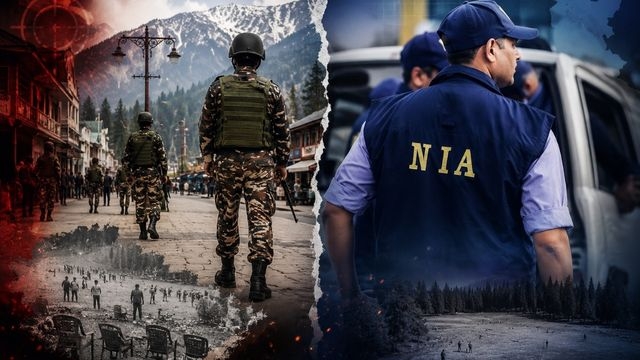
On July 6, 2026, the NIA filed a supplementary chargesheet before its Special Court in Jammu, charging Saeed individually and as chief of the banned LeT and its proxy, The Resistance Front (TRF). The agency charged him under provisions of the Bharatiya Nyaya Sanhita and Unlawful Activities (Prevention) Act, including provisions concerning waging war against India and an alleged conspiracy from across the border.
The NIA states that the April 2025 Pahalgam attack involved religion-based targeted killings and left 25 tourists and one local civilian dead.
Its earlier December 2025 chargesheet had named Pakistani handler Sajid Jatt, three terrorists later killed during Operation Mahadev, two arrested accused, and LeT/TRF itself for planning, facilitating and executing the attack.
Jammu NIA court subsequently issued a non-bailable warrant against Saeed in connection with the Pahalgam case.
The PMML connection adds another layer to the controversy.

While the United States specifically designated the earlier Milli Muslim League, rather than PMML by name, PMML has fielded candidates associated with Hafiz Saeed’s network, including his son Talha Saeed, and has repeatedly been reported as the political successor to that milieu.
Madni’s remarks bring renewed attention to the long-documented relationship between Lashkar-e-Taiba’s leadership, its Kashmir-focused militant operations and the political networks that have emerged around Hafiz Saeed in Pakistan.
Coming amid the NIA’s fresh action against Saeed in the Pahalgam case, the speech adds to scrutiny of the ecosystem that has continued to publicly defend and glorify figures associated with anti-India terrorism.
Written by
Kewali Kabir Jain
Journalism Student, Makhanlal Chaturvedi National University of Journalism and Communication